TV Needs More Old Queer Couples— And Brilliant Minds Proves It
Warning: SPOILERS for Brilliant Minds season 2, episode 1.Brilliant Minds is no stranger to dramatic love plots, but its main pairing highlights the scarcity of on-screen representation for one major demographic. Most medical procedurals like Brilliant Minds include romance to some degree, be it convoluted love triangles, will-they/won’t-they slowburns, or on-again/off-again couples that contribute more drama than the high-octane cases they treat.
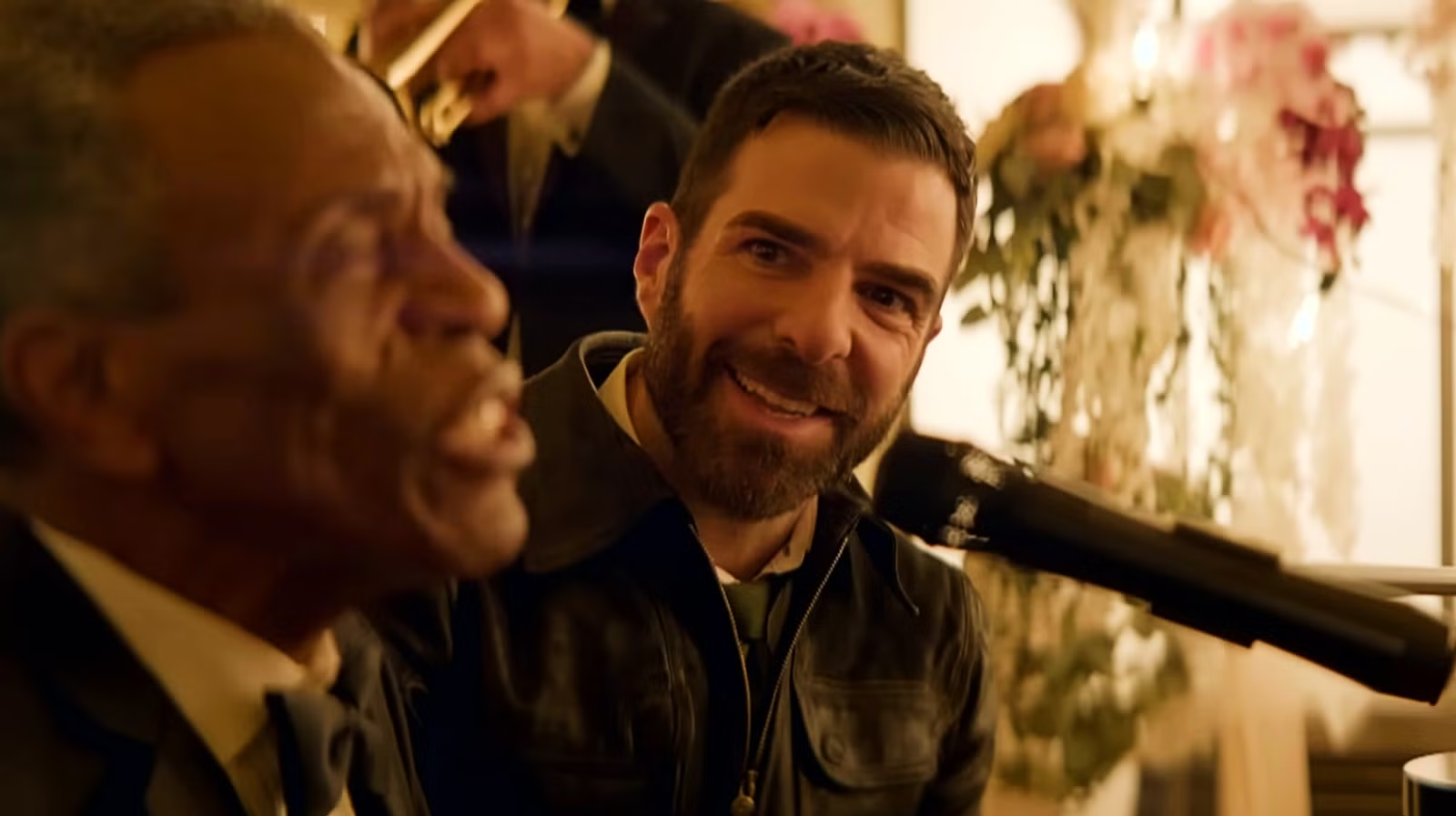
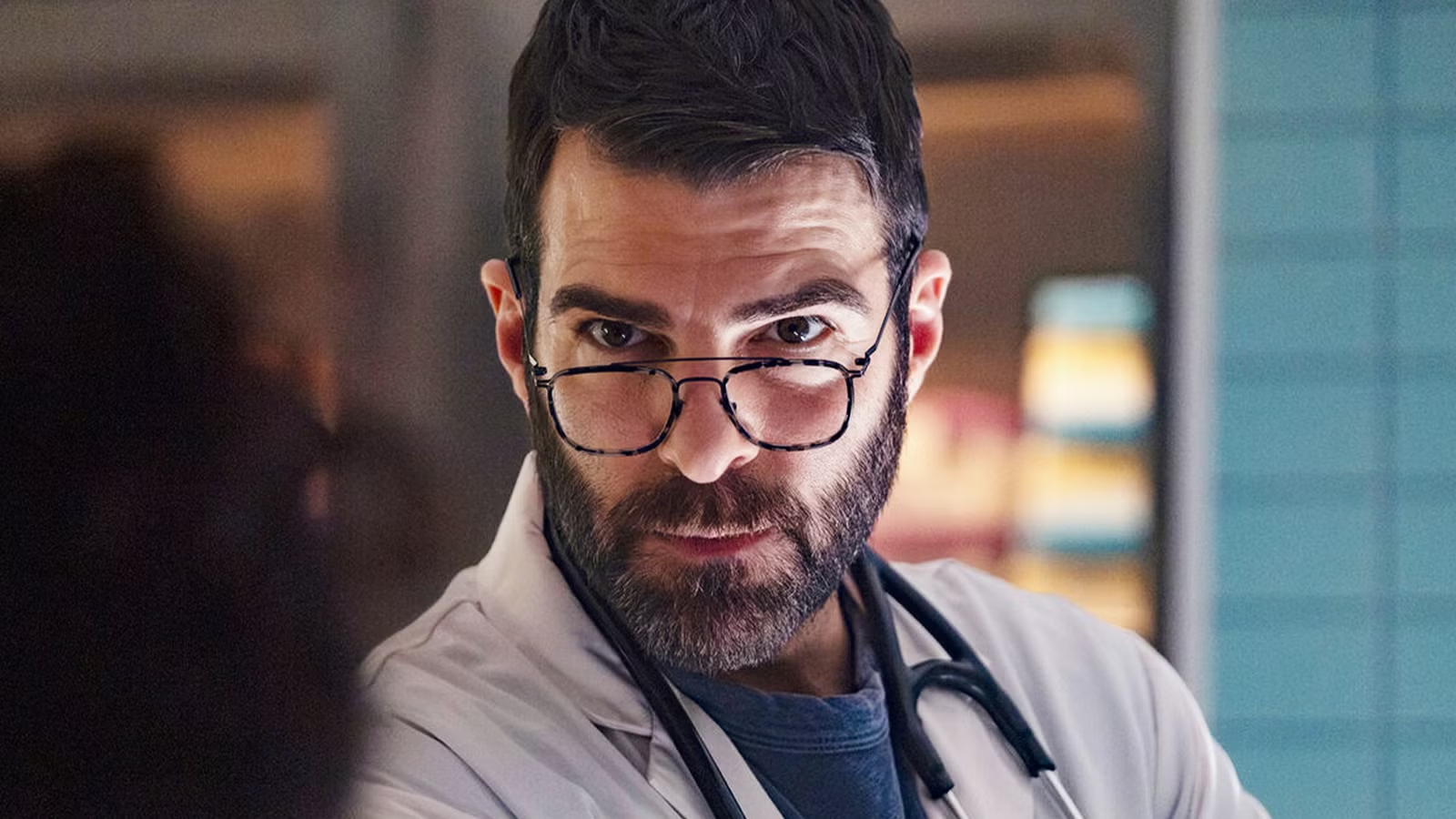
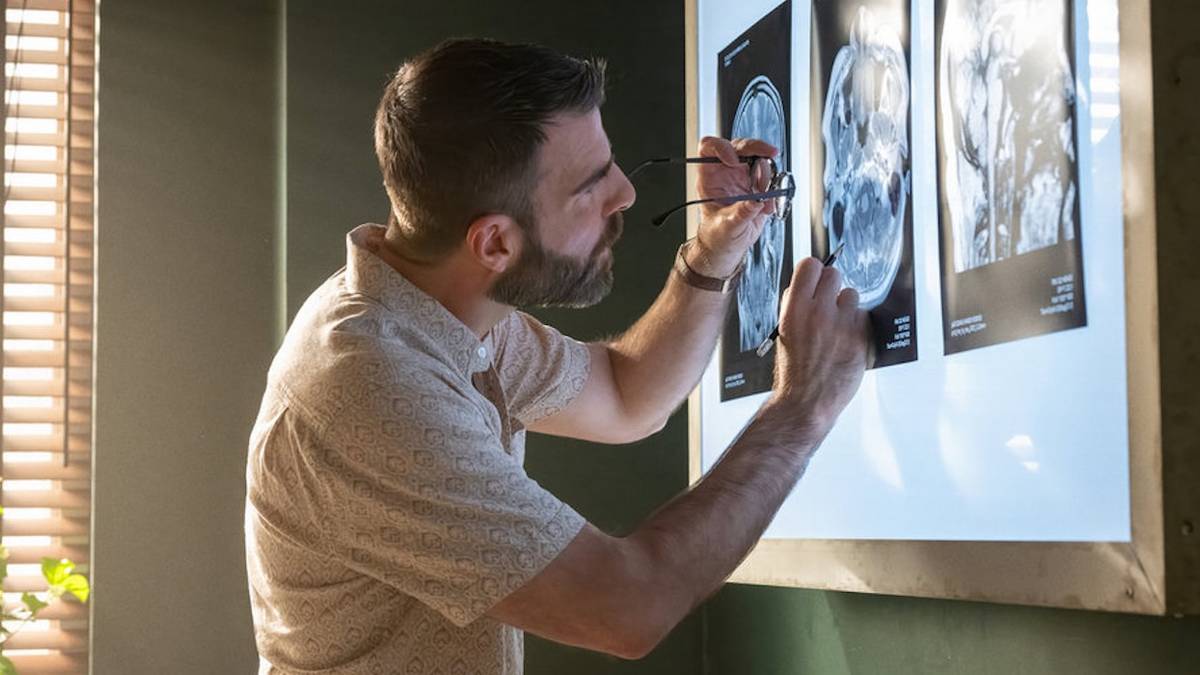
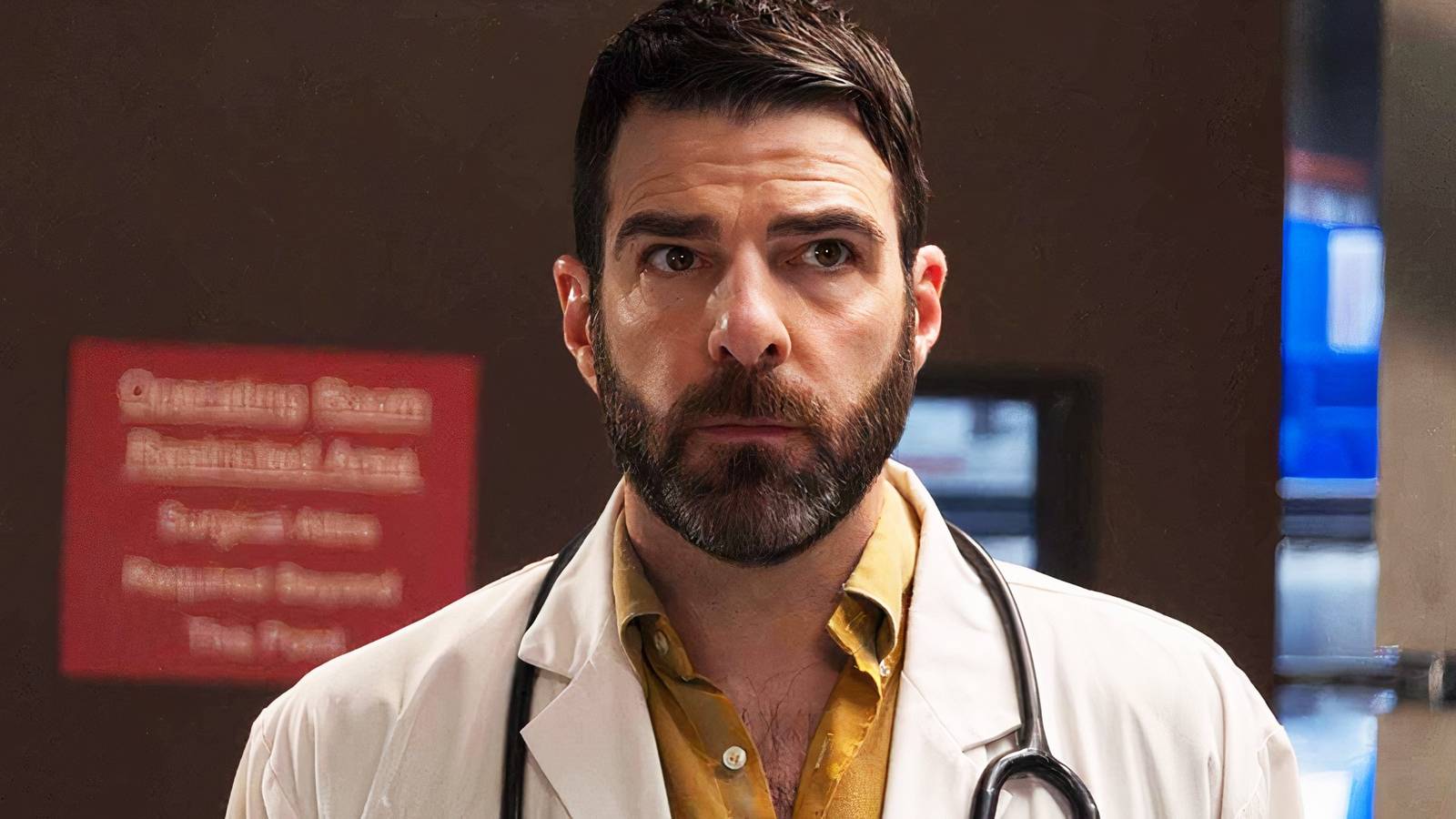
What sets NBC’s new medical drama apart is the captivating, real-life inspiration taken from Oliver Sacks, a renowned neurologist with intriguing case studies that lend themselves to a procedural format. Yet, the most remarkable aspect of Brilliant Minds season 2 isn’t a rare condition or infuriating antagonist— it’s Dr. Oliver Wolf’s (Zachary Quinto) love life.
Nichols & Wolf’s Relationship Is Already A Key Storyline In Brilliant Minds Season 2
The Two Characters Are Navigating Their First Main Conflict
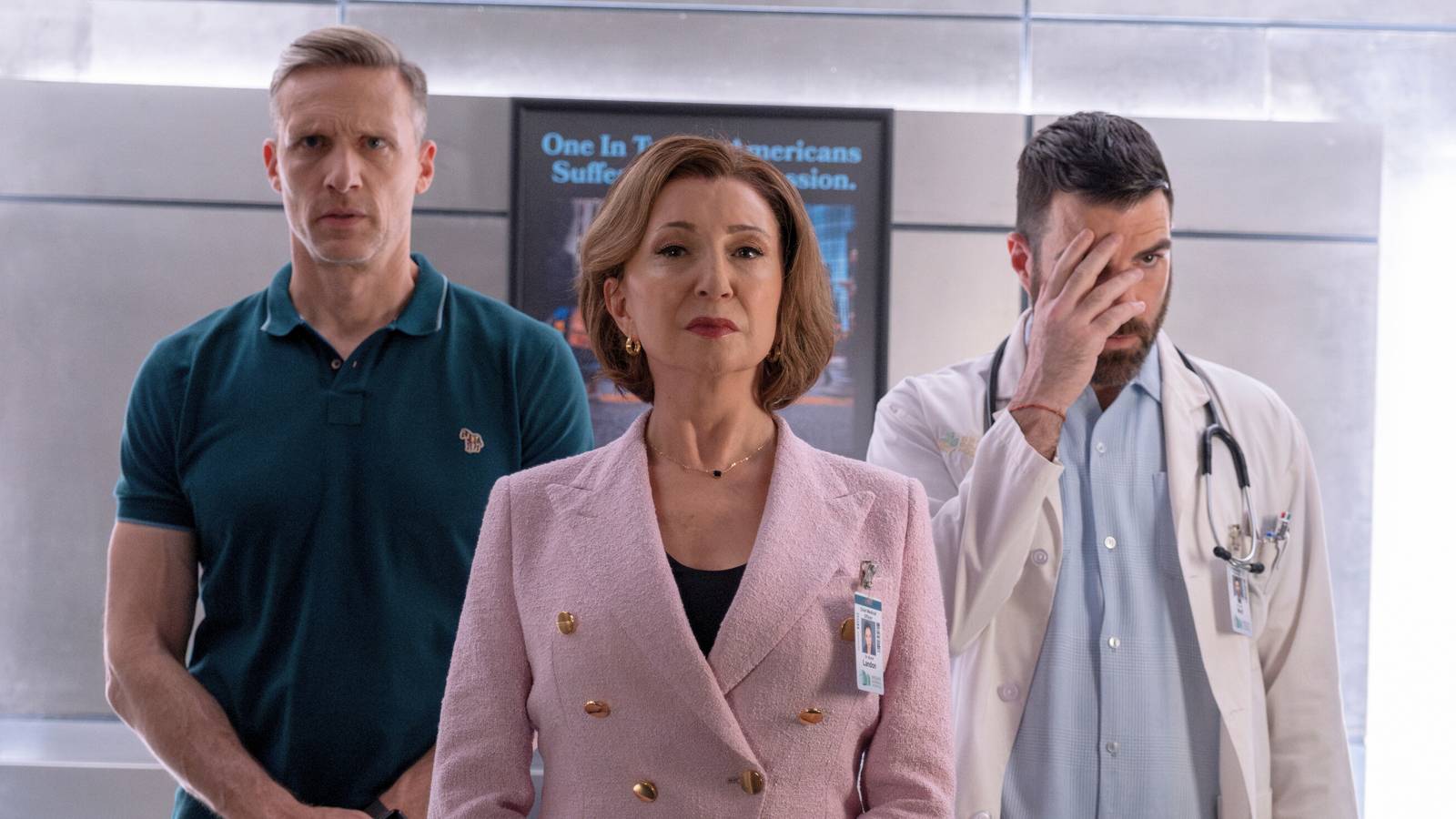
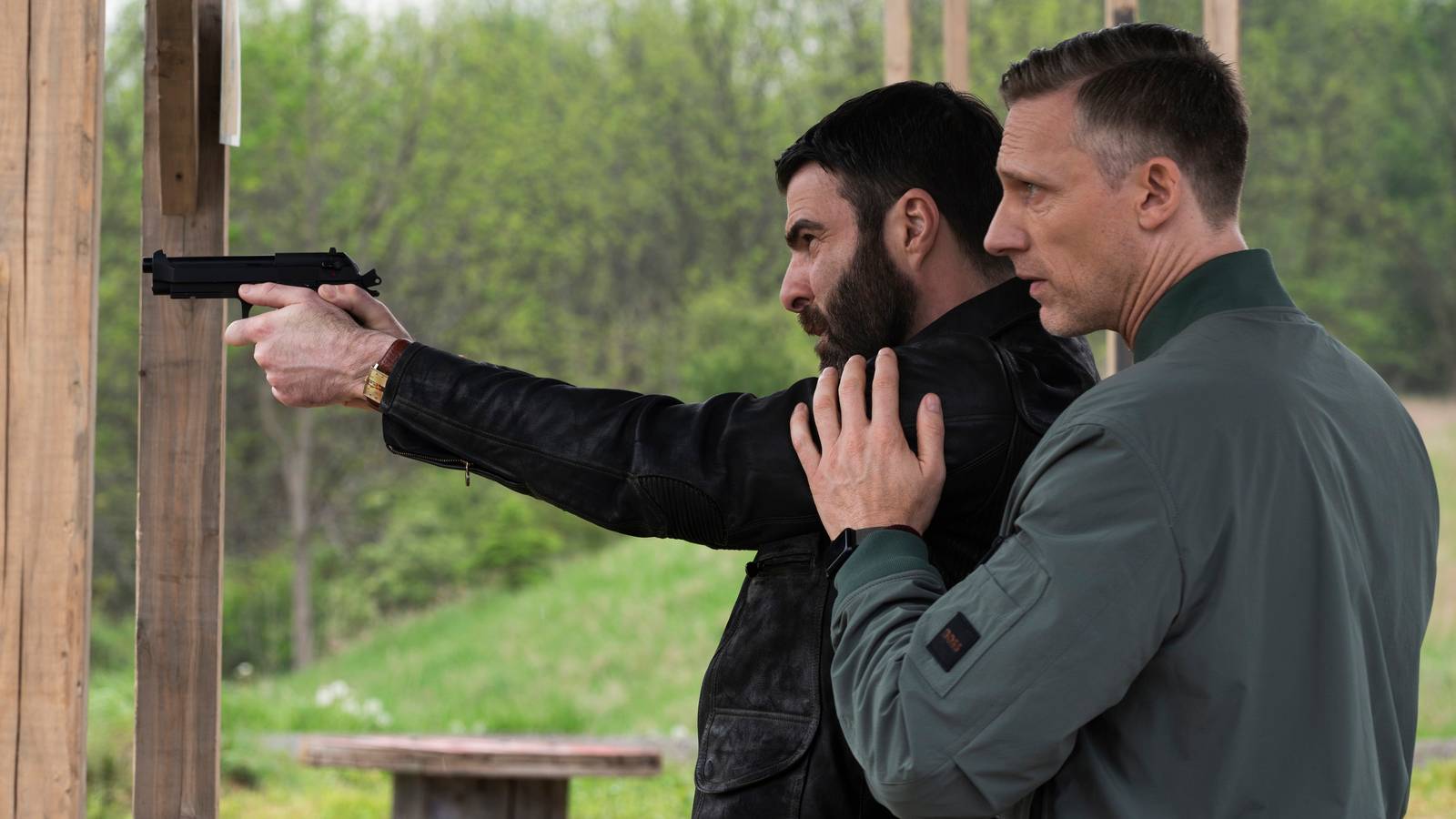
Zachary Quinto as Oliver Wolf and Teddy Sears as Josh Nichols in Brilliant MindsCourtesy NBC
Just like his nonfictional counterpart, Dr. Wolf experiences face-blindness (prosopagnosia), which sets him off on the wrong foot with his colleague, Dr. Josh Nichols (Teddy Sears). Throughout the 13 episodes in Brilliant Minds season 1, the two surpass their initial misconceptions and realize their mutual attraction. Unlike typical medical dramas, however, Wolf and Nichols act on their feelings fairly quickly.
Though their first kiss happens by the end of episode 7, the twist ending of Brilliant Minds season 1— wherein Oliver learns his presumed-deceased father is actually alive— throws the burgeoning romance off-track. To make matters worse, Wolf’s daddy issues strike right as Nichols verbalizes his growing feelings, leaving them at a complicated crossroads.
Sadly, the Brilliant Minds season 2 premiere confirmed the pair are still navigating rough waters. Nichols reminds Wolf he wants to be in a relationship but, understandably, clarifies he won’t wait forever for reciprocation. The couple’s disconnect, while not the main storyline, will certainly be a recurring plot throughout the season.
While the conflict itself is nothing novel, the pairing is unlike most “ships” on primetime television. Their general dynamic is familiar, but Nichols and Wolf’s ages add a unique spin: both doctors are in their late 40s, approaching 50. They’re far from elderly, but they’re also noticeably older than many on-air romances— or so it seems.
Brilliant Minds’ Portrayal Of An Older Gay Relationship Is Refreshing But Rare For Primetime TV
Middle-Aged Characters (& Older) Typically Aren’t Platformed
Robert places a hand on Sol’s cheek in Grace and Frankie
Every person deserves to see themselves represented in the stories they watch, but TV and film tend to focus on younger demographics. Regardless of genre, it feels like a surplus of titles are released that follow young protagonists— sometimes literal children (a la Stranger Things season 1), but often teenagers (Wednesday, Big Mouth, etc.) or young adults.
There’s nothing wrong with creating stories about high schoolers or twentysomethings, but our media shouldn’t be limited solely to youthful main characters. In 2020, the United States Census Bureau recorded over 33 million citizens aged 65–74, while the 45–64 age range made up 25% of the country’s total population. Unfortunately, our predominant age group feels underrepresented on screen.
Of course, television skewing young is no modern concept. As the University of Victoria concluded, older adults have been largely omitted from broadcast television since the mid-20th century. When you factor in other identity markers, such as race, gender, and sexuality, the numbers dwindle further.
Despite how rare older queer characters seem to get the fictional spotlight, the real-world data is undeniable. Nearly one in 10 adults in the U.S. identify as LGBTQ (via a 2025 Gallup poll)— but it isn’t simply a Gen Z “trend.” 14% of Millennials, 5% of Gen X, and 3% of Baby Boomers self-identify as something other than heterosexual, increasing from former years.
There are amazing examples of older queer characters— like Robert and Sol from Grace & Frankie, who are the unexpected catalyst behind the show’s premise— but a few good examples of representation don’t negate the damning sense of invisibility that television propagates.
Queer Representation Has Come Leaps & Bounds, But Not All Groups Are Equally Depicted
Recent Statistics Show A Concerning Disparity
Isaac reading books in Heartstopper
Even among the younger demographics, queer representation is not equal. The Gay & Lesbian Alliance Against Defamation organization annually tracks the quantity and quality of queer characters on screen, giving valuable insight into where studios are succeeding and where, unfortunately, they are failing.
In GLAAD’s latest Where We Are on TV report, there were only 39 LGBTQ series regulars out of 454 recorded characters across ABC, CBS, The CW, FOX, and NBC during the 2023-24 network TV cycle. Of those, 13 queer characters did not return the next season due to series cancellations, character deaths, or simply being written off.
A superlative of its genre, nearly every main character in Heartstopper is LGBTQ+: Charlie (gay), Nick (bi), Tara (lesbian), Darcy (nonbinary), Elle (trans), and Isaac (asexual), while Tao is straight and cisgender.
Furthermore, though GLAAD does not measure the average age range of queer characters, there is a clear disparity in the representation we do have. Despite a fairly equal split of gay and lesbian characters in 2023-24 network television, there were only 12 bisexual characters, three transgender characters, and zero asexual characters.
What’s most concerning is the big picture the data paints. GLAAD’s report found that the 2023-24 network TV season had the lowest percentage of queer main characters since 2017-18, and overall representation has gradually begun to sink since the 2021-22 report.
This can partially be attributed to the WGA/SAG Strike, but there is another devastating trend at play: diverse, inclusive series are ending, but not enough new shows are being ordered to make up for the discrepancies. Consequently, though the number of real queer Americans is on the rise, on-screen representation is declining.
Why It’s Deeply Necessary For Older Queer Characters To Exist Within Broader Narratives
Representation Should Be Meaningful, Not Static
Agatha Harkness in Westview in Agatha All Along
Beyond queer characters simply being included, we must demand meaningful, well-written representation. Characters who are LGBTQ cannot exist purely for the sake of being the token gay character, nor should their storylines exclusively rely on their queerness. The best measure of healthy queer representation is the Vito Russo test, coined by GLAAD in 2013.
Per the Vito Russo test, queer characters must not be defined by their sexual orientation, they shouldn’t lack depth or be turned into a punchline, and their storylines cannot perpetuate harmful stereotypes of the queer community. These metrics ensure queer characters aren’t thoughtless additions to otherwise heteronormative stories. Rather, they are recognized beyond their sexuality— but also not despite it.
A prime example is Agatha Harkness in Marvel’s Disney+ success Agatha All Along. Her queerness is embedded into her character, but it is not the be-all, end-all. The purpose Agatha serves within the narrative is far beyond shallow representation or performative inclusivity.
To only incorporate a character for one aspect of their identity would be a disservice to them and the show at large. Especially for middle-aged and above characters, who aren’t always given love interests in general, concurrently protecting their personhood and respecting their queerness is paramount.
Brilliant Minds Is A Great Start For Diverse Queer Representation, But Other Networks Need To Join The Movement
Broadcast TV Is Incredibly Influential (And Can Have Real-World Implications)
Zachary Quinto’s Oliver Wolf and Teddy Sears’ Josh Nichols kissing in Brilliant Minds.NBC via MovieStillsDB
This concept of including queer characters but appreciating them beyond their queerness is precisely what Brilliant Minds excels at. The romance between Wolf and Nichols is compelling, but the NBC drama doesn’t sacrifice their fully-fledged personalities for it; Brilliant Minds doesn’t confine Dr. Wolf to his sexuality, but his queerness and medical expertise also aren’t mutually exclusive.
Brilliant Minds respects its characters and provides interesting plots beyond romance, but it has to be the starting point for an industry-wide shift, not praised as lightning in a bottle. Now that NBC has paved the way with such a nuanced couple, other major broadcast networks must follow suit and offer viewers realistically diverse representation.
Queerness has no age limit, and older LGBTQ people deserve to have their stories told on primetime television. Regardless of whether Nichols and Wolf work through their relationship troubles in season 2, Brilliant Minds has opened the door for equitable, meaningful representation on screen. If the television industry at large takes note, that’s the happiest ending NBC could hope for.
Enjoy ScreenRant’s primetime coverage? Click below to sign up for our weekly Network TV newsletter (make sure to check “Network TV” in your preferences) and get the inside scoop from actors and showrunners on your favorite series.
Lee Toland Krieger, David Katzenberg, Dawn Wilkinson, Harry Jierjian, Jordan Canning, Maggie Kiley, Sudz Sutherland, Charles Randolph-Wright, Deborah Kampmeier
Writers
Sara Saedi, Ryan Knighton, Will Ewing, Daniela Lamas, Davia Carter, Stasia Demick, William Yu, David Carter, Alex Berger, Shannon Looney







0 Comments