Top 10 Historical Epics of the 21st Century: Unforgettable Cinematic Masterpieces
The past quarter-century of filmmaking has produced some truly awe-inspiring historical epics. While many viewers will point to classics like Ben-Hur or Lawrence of Arabia, this genre has only become more impressive as modern filmmaking techniques have allowed for grander spectacles and the depiction of previously unimaginable visuals.
Whether it’s powerful performances in Shakespeare adaptations or truly jaw-dropping depictions of conflict and war, the historical epic remains a timeless genre that continues to define cinema’s ability to captivate audiences. Cinema has changed a lot over the past 100 years, yet the historical epic remains the benchmark against which the best filmmaking is judged.
The King (2019)
Timothée Chalamet as King Henry V, in a suit of armor (The King)
From sci-fi classics like Dune to acclaimed biopics such as A Complete Unknown, Timothée Chalamet has been at the forefront of Hollywood for several years now. Yet, one of his most underappreciated roles came in the historical epic The King, which adapted William Shakespeare’s Henriad plays based on the life of Henry V.
Through impressive performances anchored by incredible source material, Chalamet helped make Shakespeare palpable to modern viewers in a sweeping tale of deceit and war. With beautiful cinematography and an incredible score, The King was a historical epic that captured the power of bygone eras in cinema.
The Last Duel (2021)
Jodie Comer as Marguerite de Carrouges on horseback in The Last Duel
With iconic releases like Alien and Blade Runner to his name, director Ridley Scott has proved himself a versatile filmmaker whose work has traversed many genres. While Scott’s output has been hit or miss in recent years, the highly underrated The Last Duel stands as some of his best work and deserves far more attention from mainstream audiences.
Taking influence from the multiperspective narrative of Akira Kurosawa’s Rashomon, The Last Duel explored timely issues of power, control, and sexual assault in 14th-century France. With Jodie Comer giving one of her best performances as the French noblewoman Marguerite de Carrouges, the appeal of this timely critique of systemic misogyny flew under the radar during the pandemic.
Silence (2016)
Liam Neeson praying in Martin Scorsese’s Silence
Martin Scorsese may have made a name for himself with gangster classics like Mean Streets and Goodfellas, but it was with Silence that he made one of the best historical epics of all time. As a director who always reckoned with questions of faith, this story of Jesuit priests spreading Christianity throughout Japan was a powerful statement on belief.
Silence felt like the culmination of Scorsese’s decades-long search for meaning and stands as a thought-provoking and emotional contemplation on making peace with God’s silence. Fans of Scorsese’s more energetic crime work might find Silence makes for challenging viewing, but for those willing to push themselves, it’s a deeply rewarding experience.
1917 (2019)
George MacKay tries to navigate a crowded trench as Schofield in 1917
Few war movies make you feel like you are literally right there on the battlefield quite like 1917. With a unique editing style, director Sam Mendes presented 1917 as one continuous take, bringing us on a journey across the frontlines of World War I as soldiers endeavor to deliver an important message to call off a doomed attack.
1917 was incredibly impressive from a filmmaking perspective, but the emotional power of the movie stemmed from its performances, as George MacKay and Dean-Charles Chapman effectively showcased the fear and exhaustion of soldiers trying to survive. As a film categorized by its hard-hitting immediacy, 1917 demonstrated a new way of depicting war onscreen.
The Brutalist (2024)
Adrien Brody in The Brutalist
Having already become the youngest Best Actor of all time for his performance in The Pianist, Adrien Brody returned to the subject of the Holocaust to portray a survivor and immigrant in The Brutalist. As a film that captured the unforgiving challenges of the American Dream, Brody’s portrayal of the Hungarian architect László Tóth earned him yet another Oscar.
The Brutalist was a grand and sweeping exploration of those who fled to the United States following the Second World War. As an all-encompassing and engrossing piece of work, the appeal of The Brutalist fell squarely on the shoulders of Brody, whose emotional and vulnerable performance helped elevate it to being one of the best historical epics of the 21st century.
Dunkirk (2017)
Cillian Murphy as a shivering soldier in Dunkirk.
Christopher Nolan interwove different timelines across air, land, and sea to produce a historical epic cataloging the evacuation of Dunkirk during World War II. As a realistic depiction of a harrowing wartime situation, the power of Dunkirk was its focus on everyday people and survival as opposed to battles and bloodshed.
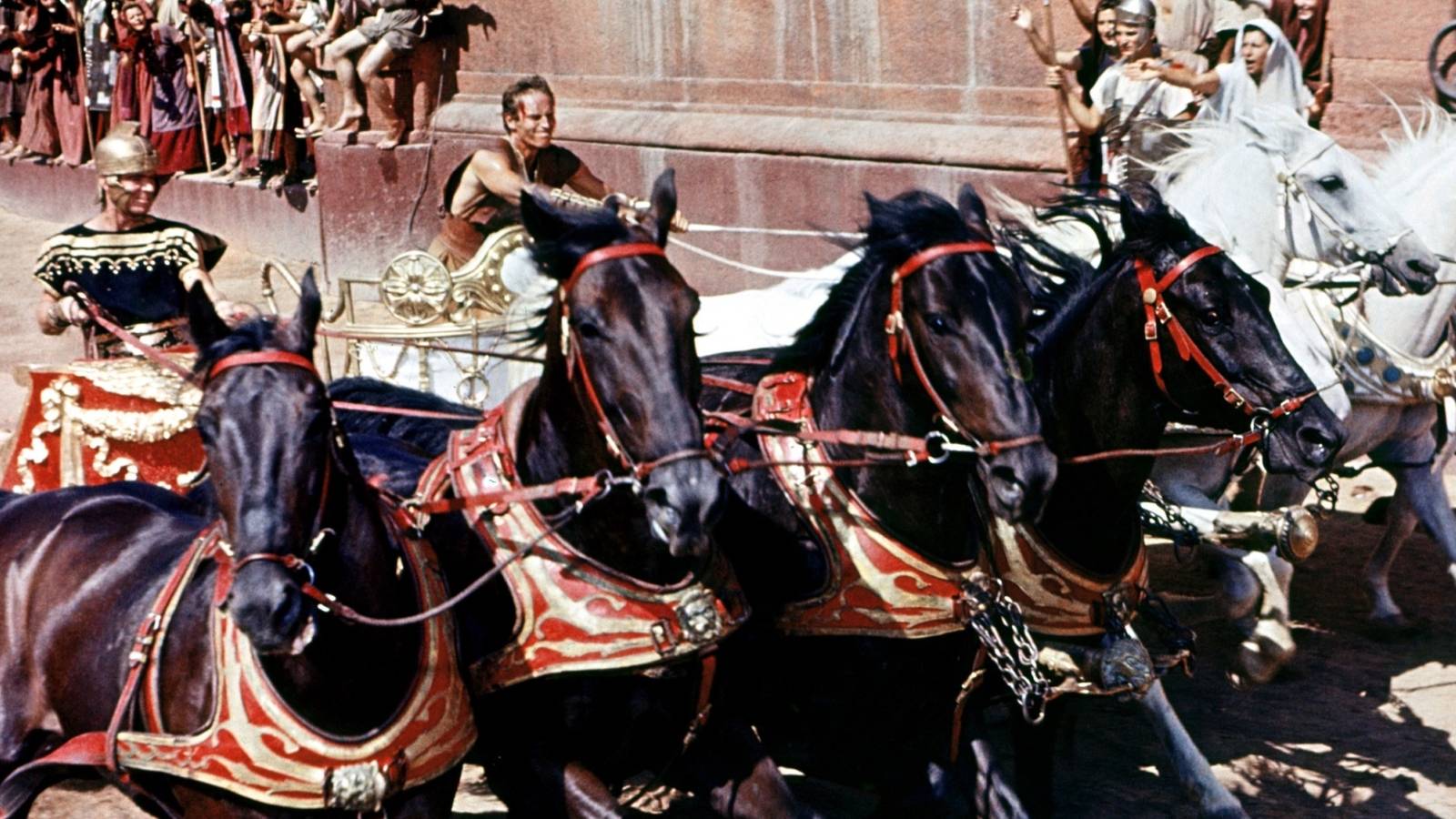
There was an immediacy to Dunkirk that made it stand out, and its effective use of sound contributed to its heart-racing intensity. As an accomplished piece of filmmaking that’s best experienced on IMAX, Dunkirk stands alongside earlier epics like Ben-Hur as an awe-inspiring cinematic experience.
All Quiet On The Western Front (2022)
Felix Kammerer as Paul from All Quiet on the Western Front covered in mud.
The anti-war epic All Quiet on the Western Front provided a harrowing glimpse into the dehumanizing impact of World War I on a young soldier named Paul Bäumer. Having been previously adapted to great acclaim in 1930 and again in 1979, the 2022 version revitalized the story with visceral realism and modern cinematic techniques.
With a focus on the futility of war, All Quiet on the Western Front addressed the alienating impact of conflict and the fact that, during wartime, there are only losers. Whether from a psychological or physical perspective, the film exposes the relentless suffering and moral erosion that soldiers face in battle.
There Will Be Blood (2007)
Daniel Day-Lewis with a pipe in his mouth in There Will be Blood
Paul Thomas Anderson is one of the most ambitious and interesting directors working today, with There Will Be Blood standing as one of the most impressive historical epics ever made. Telling the story of Daniel Plainview, Daniel Day-Lewis gave a career-defining performance as a ruthless oil baron overtaken by greed and ambition.
There Will Be Blood served as a powerful metaphor for the way the capitalist system strips us of our humanity and how the drive to succeed often leaves people stepping on those below them to reach the top. Plaview’s story highlighted the emptiness of the American Dream and the soullessness of valuing money over human connection.
Master And Commander: The Far Side Of The World (2003)
Master and Commander Russell Crowe Billy Boyd
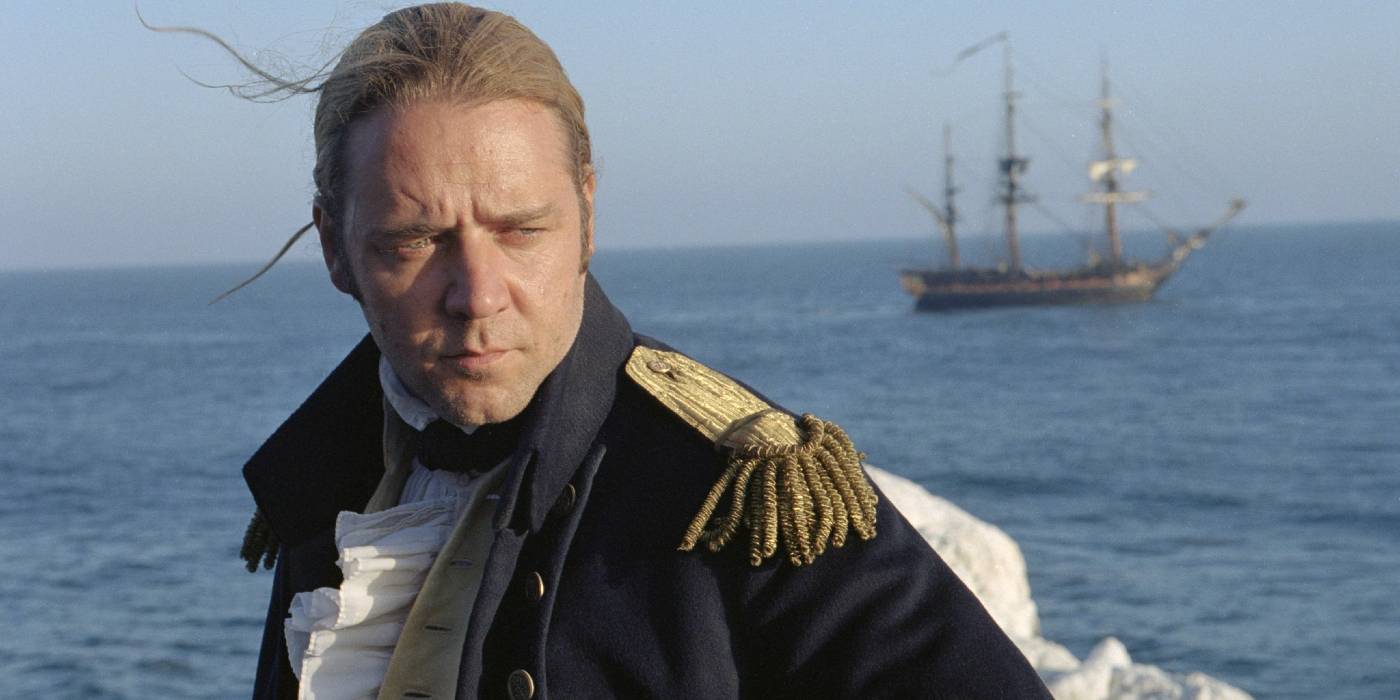
One of the biggest cinematic travesties of modern times was that Master and Commander: The Far Side of the World underperformed at the box office, as the epic nautical story could have been the beginning of a major franchise. Instead, we got one excellent release, which adapted the Aubrey–Maturin series by author Patrick O’Brian.
With Russell Crowe as the HMS Surprise captain Jack Aubrey, this was a story of resilience and determination set amid the Napoleonic Wars. As a film that was epic in scope and nominated for ten Oscars, Master and Commander included action, adventure, compelling characters, and just about everything you could want from a historical epic.
Gladiator (2000)
Russell Crowe as Maximus in the gladitorial ring in Gladiator
Despite being released just at the dawn of the millennium, Gladiator has remained the best historical epic of the 21st century. Coming from director Ridley Scott, Russell Crowe delivered a career-defining performance as Maximus Decimus Meridius in this story of revenge during the era of the Roman Empire.
As a masterclass in large-scale spectacle, Gladiator represented everything Scott does well, and it’s no surprise the film was an Oscar favorite that even took home Best Picture and Best Actor for Crowe. While Scott attempted to recapture the magic with the legacy sequel Gladiator II, it failed to reach the spectacular highs of the original.






0 Comments