The Western genre has gifted audiences with some amazing action sequences, but which ones are the greatest? Westerns were once the most prominent genre in Hollywood, with films like The Searchers or Sergio Leone’s Dollars trilogy having a significant impact on filmmakers such as Steven Spielberg, Martin Scorsese, and Quentin Tarantino.
Western showdowns are an iconic part of the genre too, with most ending with a shootout. Modern action films are also an evolution of the cinematic language developed by Westerns. For instance, Sam Peckinpah’s love of slow motion was inherited by the likes of John Woo and Tony Scott, who both took film shootouts to a different level.
Western showdowns can either be tense affairs where few bullets are fired, or all-out bloodbaths like those found in Tarantino’s “Oaters.” There’s a lot of variety in the genre, spanning from the 1930s all the way to the present day.
Rio Bravo (1959) – The Burdette Gang Showdown
John Wayne aiming a rifle in Rio Bravo
Rio Bravo was Wayne’s angry response to High Noon, with the actor despising the latter movie’s “liberal” politics. He hated that a sheriff would essentially beg his townspeople for help and that they would refuse to give it. In Wayne’s film, the tough sheriff never expects help and is cranky when he receives it.
This is best seen in the showdown with the Burdette gang, where Wayne’s Chance has to save Deputy (Dean Martin). During a hostage exchange, the bullets start flying, and Chance’s pals soon rush to his aid. Director Howard Hawks stages this showdown with gusto, with the shooting feeling like a major catharsis after two hours of suspense.
Tombstone (1993) – Gunfight At The O.K. Corral
Val Kilmer’s Doc aims a shotgun in Tombstone.
The shootout at the O.K. Corral between the Earps (with Doc Holliday’s assistance) and the Cowboys is legendary, with Tombstone depicting it as a bloody mess. The buildup to the scene is expertly done, but there’s nothing slick about the actual battle.
Bullets fly, both sides take hits, and it doesn’t feel very heroic when the Cowboys are taken down. It’s definitely a Hollywood version of the real shootout (Val Kilmer’s Doc shoots three times from a double shotgun without reloading), but that doesn’t stop it from being a gripping, suspenseful sequence.
The Outlaw Josey Wales (1976) – Josey Ambushes The Ambush
Clint Eastwood with two guns in The Outlaw Josey Wales.
Of all Clint Eastwood’s Westerns, The Outlaw Josey Wales might secretly be the best. The movie cast him as the vengeance-seeking title character, who early on in the story, spots an ambush that kills most of the paramilitaries he was riding with. Not content with that turn of events, Josey ambushes the ambushers.
Clint’s character gets hold of a large machine gun and proceeds to mow down all comers, and for a time, appears willing to die alongside his men. It’s only when a wounded young member of his group brings him to his senses that he retreats.
This Outlaw Josey Wales gunfight is one of the best action sequences Eastwood ever staged as a director. It’s shocking, bloody and exciting, but amidst all the bullets flying, it never loses sight of story or character – a lesson many action movies often forget.
The Lone Ranger (2013) – The Train Sequence
Johnny Depp in the train scene from Lone Ranger.
This maligned remake of the classic Western series is better than its critical (or commercial) reception indicated, though it is tonally messy and quite bloated. The Lone Ranger closes with one of the best blockbuster setpieces of the past 20 years, where the title character and Johnny Depp’s Tonto take on the villains across two trains.
Scored to the William Tell Overture, this battle isn’t the least bit realistic, but that doesn’t matter. It’s filled with inventive moments (such as Tonto crossing between trains on a ladder) and humor, and director Gore Verbinski lets the action unfold with little dialogue to slow the pace.
It doesn’t matter that six shooters fire around 50 shots without reloading or that it frequently breaks the laws of physics; this scene is the undoubted highlight of this failed franchise launcher. If people don’t want to see The Lone Ranger itself, they should at least watch the train scene in isolation.
Stagecoach (1939) – The Apache Attack
John Wayne with a rifle in Stagecoach.
John Ford’s Stagecoach turned John Wayne into a movie star after he struggled in B-movies for a decade, and it’s a landmark Western. The simple setup allowed Ford to focus on character instead of plot, and it involves a mismatched group of high and low society being forced to work together.
This all comes to a head in Stagecoach’s Apache attack, an extended chase that is still thrilling over 80 years later. This sequence still feels modern in its techniques, and while some rear-screen projection takes the edge off the intensity, the stuntwork is still stunning.
The attack remains exciting and shocking in equal measure, and reveals the true nature of its characters. Needless to say, Wayne’s Ringo Kid is the most heroic, but it’s the hidden layers the other members reveal that make it so memorable.
Unforgiven (1992) – Will Munny Kills Little Bill
Will Munny aiming a rife at Little Bill in Unforgiven.
Unforgiven was Clint’s last Western, and one that subverts just about every cliché in the genre. Clint’s Munny is no hero, and despite giving up his days of boozing and killing to raise a family, he finds there’s still a vicious killer within. Munny’s dark side fully reemerges in the finale.
After the brutal sheriff Little Bill (Gene Hackman) tortures his friend to death, Munny faces off with the lawman and his men in a bar. Audiences may have been waiting for a classic Clint shootout, but it feels more tragic than triumphant.
Munny easily dispatches Bill’s men and cold-bloodily executes the sheriff, having resigned himself to the idea that he’ll pay the price for this slaughter in the afterlife. Unforgiven’s Little Bill shootout works as a tense action scene, but boy oh boy, is it layered with a deeper meaning.
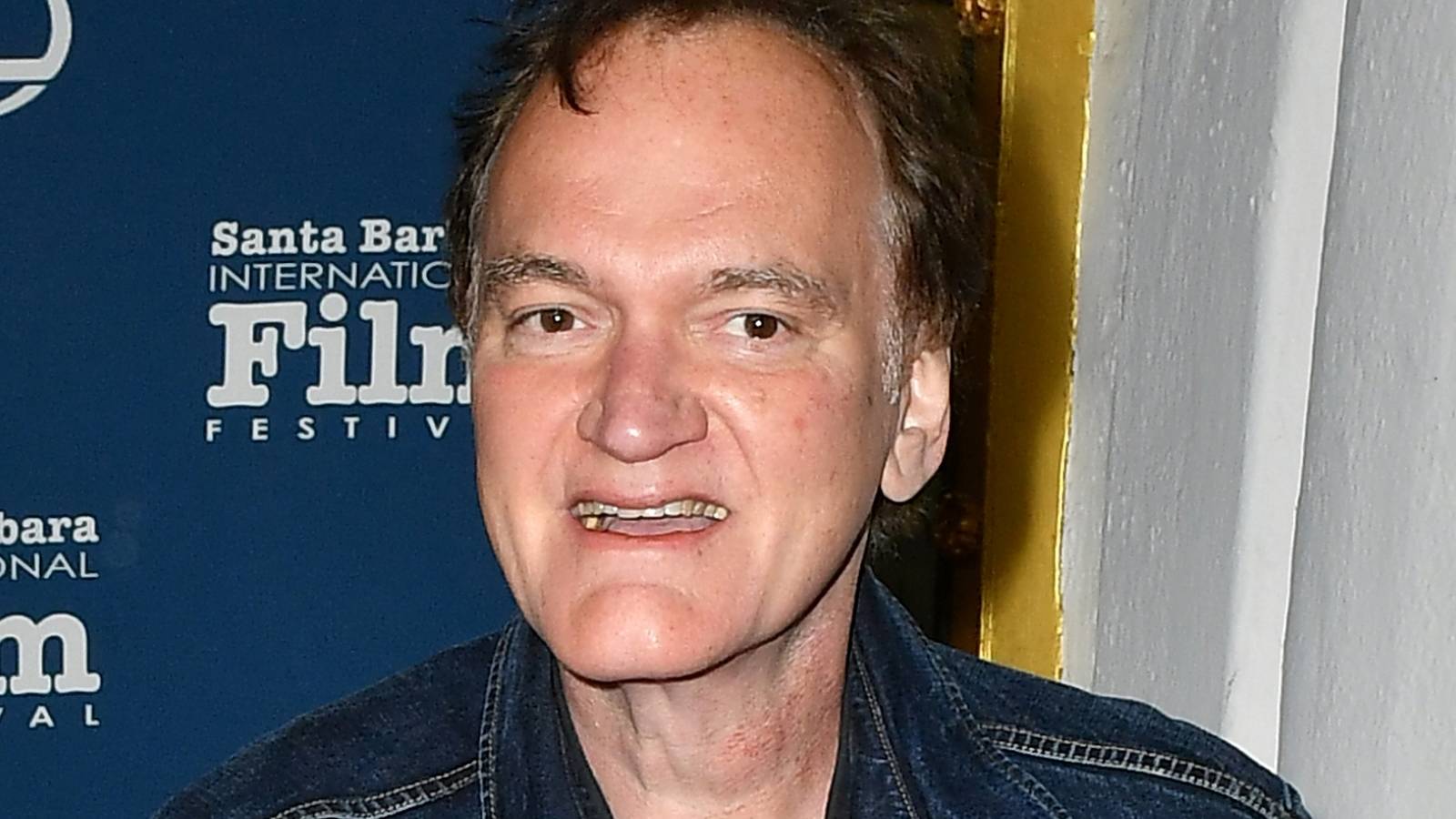
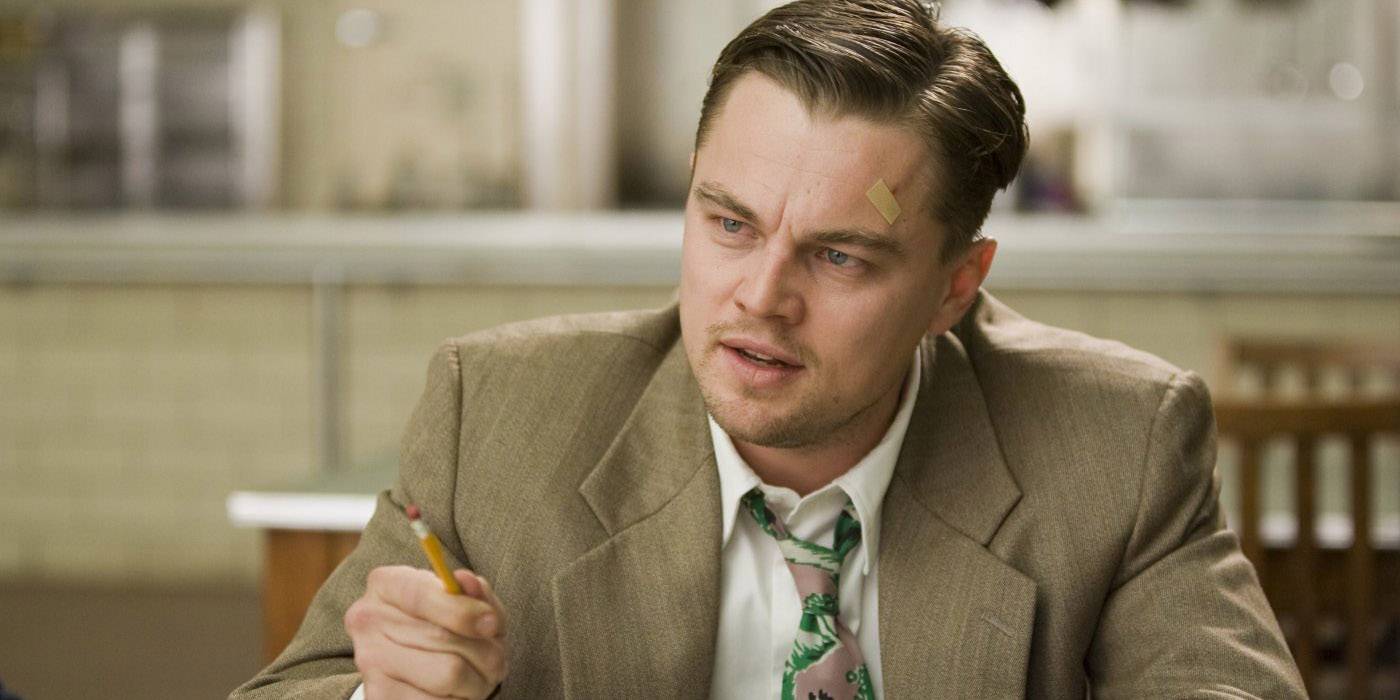
It was a given that Tarantino’s first Western would be a bloody affair, and he didn’t disappoint. The Candyland shootout starts with the death of two major characters, before Jamie Foxx’s Django is plunged into a shootout with the men of plantation owner Calvin Candie (Leonardo DiCaprio).
In this sequence bullets hit bodies like cannonballs, resulting in huge spurts of blood. It’s one of the most visceral scenes Tarantino has ever staged, and in a lovely touch, he never cheats that revolvers hold six bullets, so Django is constantly scrambling to find another gun.
This adds a new layer of tension, but it’s also a joyful little scene. Both literally and figuratively, QT shoots the hell out of it. It’s not as gory as Kill Bill: Vol. 1’s House of Blue Leaves sequence, but that’s not for lack of trying.
Open Range (2003) – Showdown With Baxter’s Men
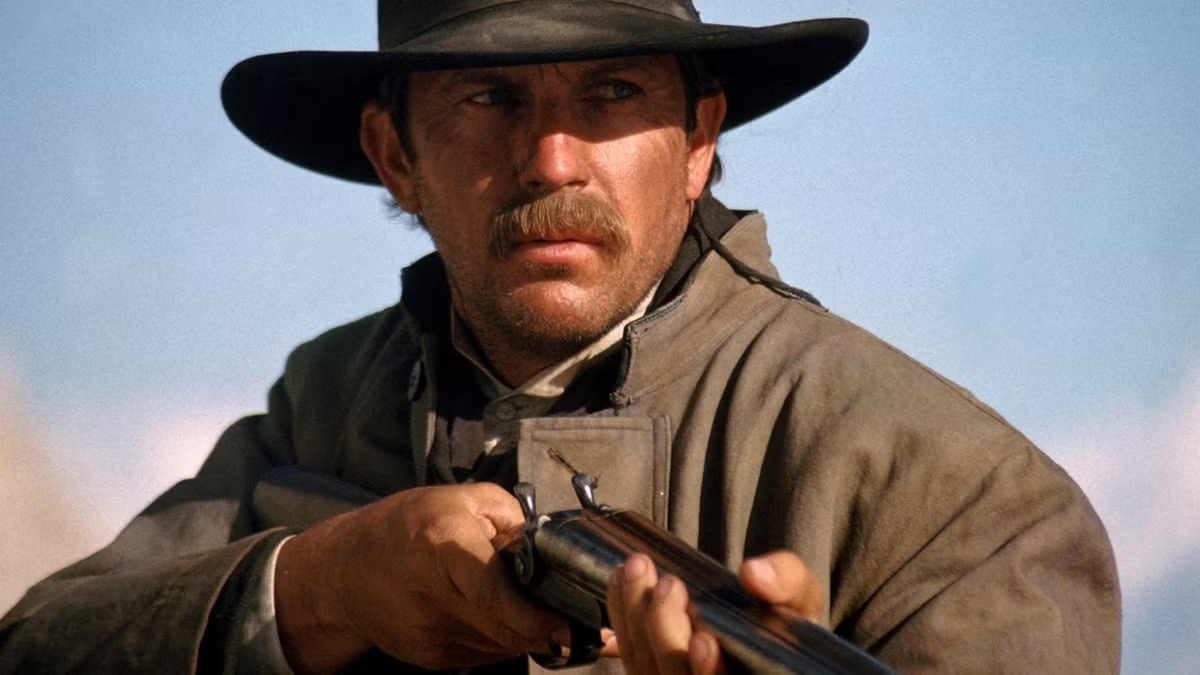
Kevin Costner and Robert Duvall in Open Range standing outside.
Kevin Costner hasn’t appeared in that many Westerns, but when he does, it’s always an event. Open Range is one of his best, and climaxes with an expertly mounted firefight. This sees “free grazers” Charley (Costner) and Robert Duvall’s Boss Spearman face off with cattle baron Baxter’s (Michel Gambon) hired killers.
In a nice touch, Charley kills Baxter’s main henchmen with the first shot, before an extended battle erupts. Costner brings a stark simplicity to this firefight, stripping it of music or flashiness. It also goes on longer than usual because, in reality, gunfights are sloppy affairs and hitting a target has as much to do with luck as accuracy.
The Wild Bunch (1969) – Angel’s “Rescue”
William Holden’s Pike firing a machine gun in The Wild Bunch.
Sam Peckinpah’s The Wild Bunch was considered repulsively violent back in 1969, with John Wayne even voicing his distaste for it. The movie not only showed bloody entrance and exit wounds, but it filmed them in slo-mo to emphasize their devastating impact.
This was a groundbreaking approach, and it was unleashed to full effect in The Wild Bunch’s finale. This sees the titular crew “rescuing” a member of their team they left to die, but in reality, this haggard unit is ready to die in glorious battle.
Peckinpah unleashes Hell in this scene, where dozens of men are mowed down by machine gun fire and explosions, and it’s both horrifying and oddly poetic. Many other films have tried to rip off The Wild Bunch’s final shootout, but none have topped it.
The Good, The Bad And The Ugly (1966) – The Mexican Standoff
Clint Eastwood as The Man With No Name with a gun in The Good, the Bad, and the Ugly.
There really couldn’t have been any other Western shootout to top this list. The final Mexican standoff between Clint’s Man with No Name, Lee Van Cleef’s Angel Eyes and Eli Wallach’s Tuco is pure cinema. From director Sergio Leone’s close-ups of his leading men’s darting eyes to Ennio Morricone’s iconic score, everything just works.
The Good, The Bad and The Ugly’s finale isn’t about a big body count or shots fired, it’s about slowly cranking up the tension and when it’s at its most unbearable, unleashing it. It’s a superb piece of moviemaking, and there’s a reason it’s been referenced and parodied almost to death in the decades since.





0 Comments