The political climate in the U.S. continues to implode, particularly in the wake of the Charlie Kirk assassination. The controversial event illustrated how divided we’ve become as a nation, as some mourned his death while others celebrated it. The fact is that our news feeds are giving us different, polarizing messages that cause hate and division.
Music has always been a unifying force. It’s the one thing that can bring people together. Whether it’s sitting next to a stranger at a concert, listening to live music in a club, or dancing together at a nocturnal hotspot, the power of song is an undeniable unifier.
Much like today, the ‘60s were a time of political unrest. Rock, pop, and folk artists of the day sang songs of peace and love—pleading with their fellow beings to come together. Some of those songs may have been written off as being corny, but ‘60s peace and love songs may just be what the world needs to hear now.
“Get Together”—The Youngbloods
This is one of the most well-known and iconic peace and love songs of the ‘60s. Written by Dino Valente (aka Chet Powers) of San Francisco psychedelic group Quicksilver Messenger Service, this song includes the gentle and memorable refrain of “Come on, people now/Smile on your brother/Everybody get together/Try to love one another right now.”
“Get Together” was first released in 1967 but stalled at #62. However, it was used for a televised public service announcement and re-released two years later, climbing up to #5, which helped it become the anthem that it is. The song has been covered multiple times, including by Jefferson Airplane, The Byrds, and Joni Mitchell.
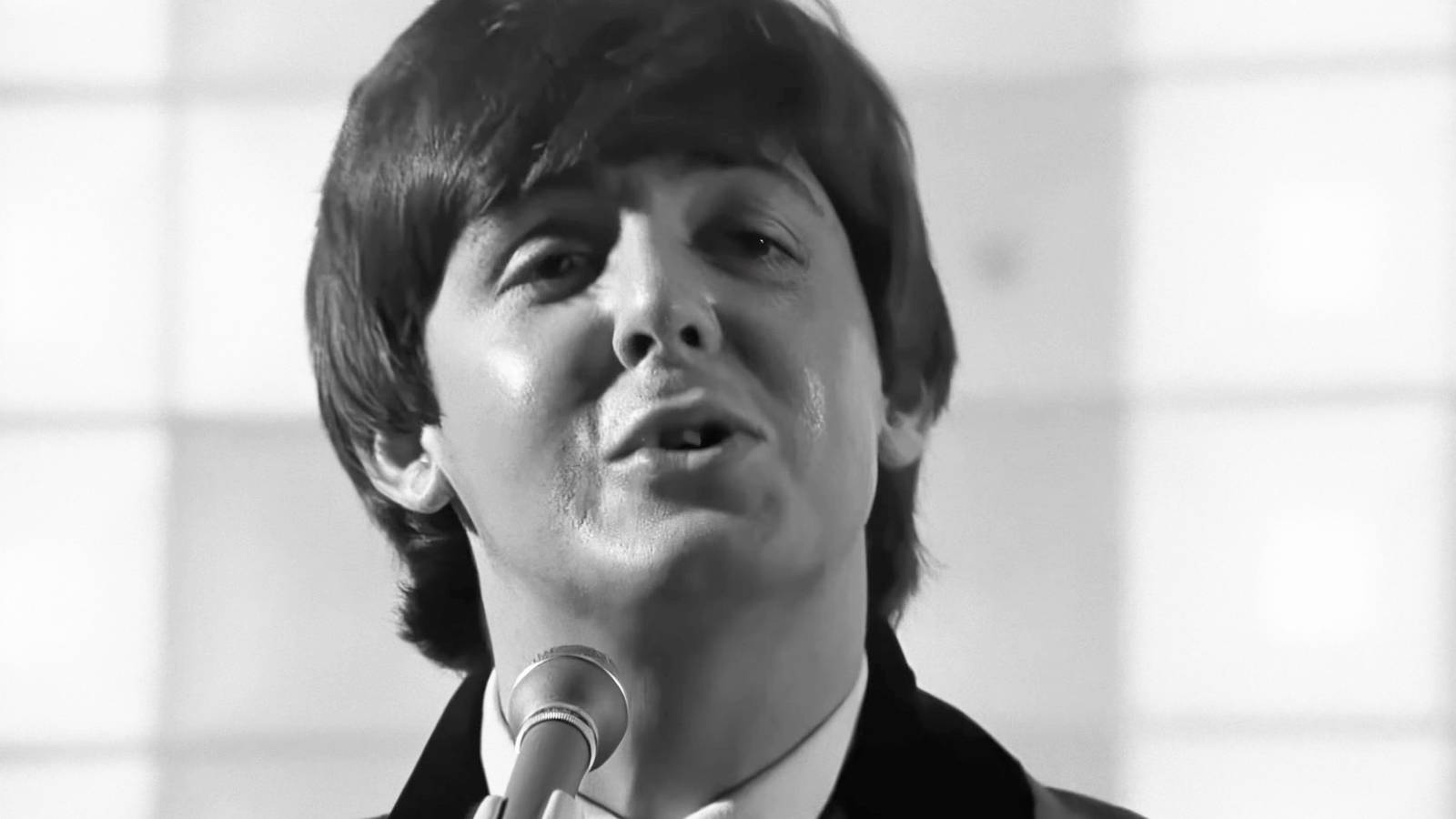
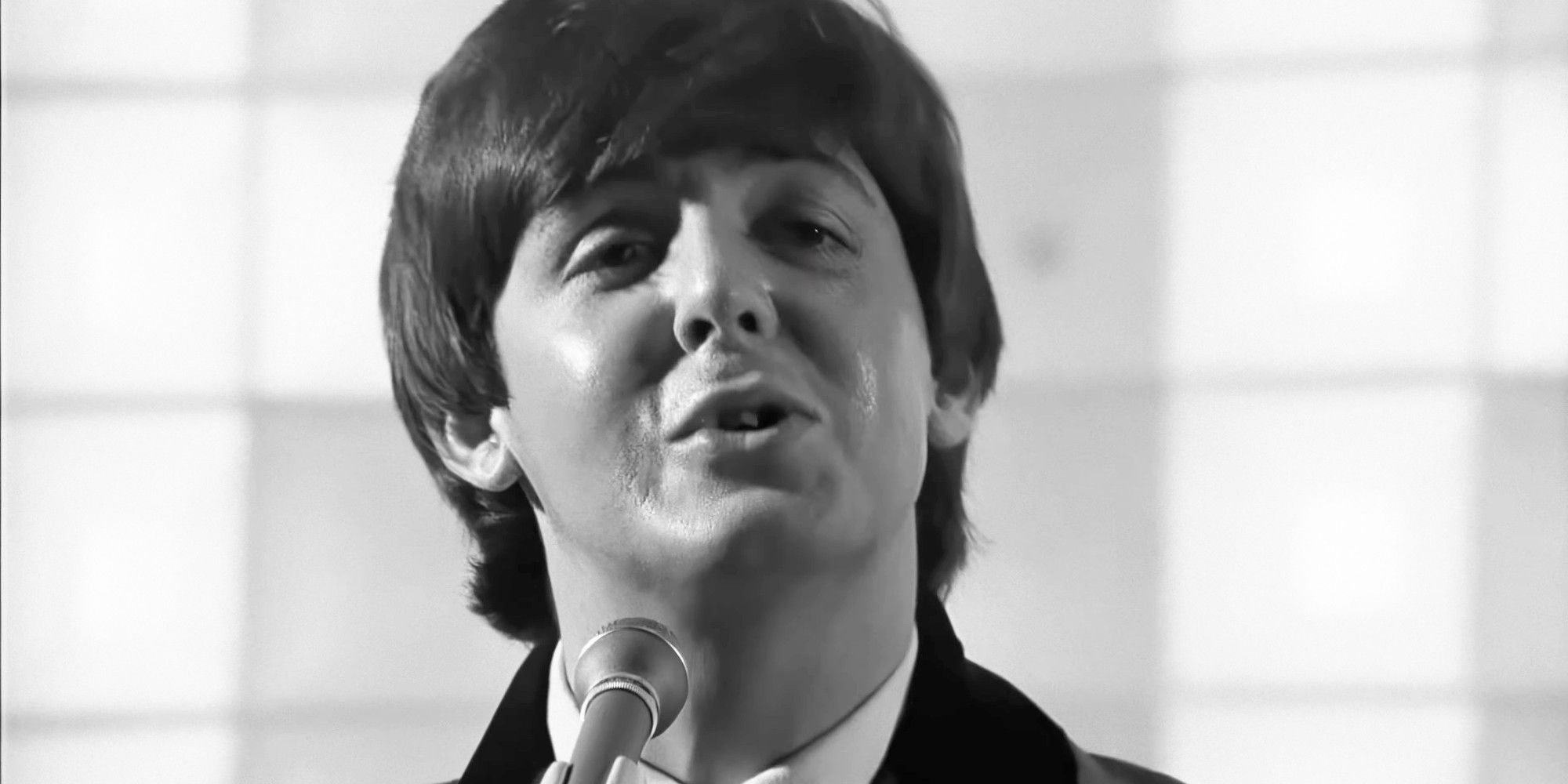
“The Word”—The Beatles
As far as Beatles’ songs go, most would expect to see “All You Need is Love” here since it was a big hit. Before that, however, The Beatles released a song called “The Word,” which was a major step in terms of advancing the concept of universal love.
Once The Beatles were introduced to pot, their music started to change. Breaking away from the standard boy-meets-girl style of love song, they developed a knack for writing songs with deeper meaning. “The Word” from Rubber Soul is one such song: “Say the word and you’ll be free/Say the word and be like me/Say the word I’m thinking of/Have you heard the word is love?”
“San Francisco (Be Sure To Wear Some Flowers In Your Hair)”—Scott McKenzie
Released in May 1967, “San Francisco,” which reached #4 on the US charts, became the unofficial theme song for the Summer of Love. Written by John Phillips of The Mamas & the Papas and sung by Scott McKenzie, the song was used to promote the Monterey International Pop Music Festival held that June.
The song’s lyrics essentially predict what would come to pass during that memorable summer. Throngs of young people, mostly hippies, moved to San Francisco and tried to create a mini-utopia, where everybody was gentle and peaceful—a love-in, as the song says.
I don’t think the scene was as peaceful as the song envisions, but it sure was a nice idea.
“What The World Needs Now Is Love”—Jackie DeShannon
One doesn’t typically associate the songwriting duo of Burt Bacharach and Hal David with the hippie movement, but their classic composition, “What the World Needs Now is Love” is one of the greatest songs about universal love ever written. Although it’s not obvious, David wrote the lyrics as a response to the Vietnam War.
The song is profound and beautiful, and it was one of the first ‘60s songs to promote brotherly love, setting the tone for the peace and love explosion two years later.
The song was originally offered to Dionne Warwick, who rejected it because she thought it was too preachy. Warwick later recorded it after Jackie DeShannon had a Top Ten hit with it.
“Aquarius/Let The Sunshine In”—The Fifth Dimension
Hair was the quintessential hippie musical of the ‘60s, involving war protests, free love, and psychedelic drugs. Written for the revolutionary musical, The 5th Dimension combined two songs, “Aquarius” and “Let the Sunshine In” to create one massive hit. The double showtune spent six weeks at the top of the charts and was the second-biggest single of 1969.
Unlike most songs, the overriding sentiment of Aquarius/Let the Sunshine In” is in the bridge: “Harmony and understanding/Sympathy and trust abounding/No more falsehoods or derisions/Golden living dreams of visions/Mystic crystal revelation/And the mind’s true liberation.”
The group, who first saw the stage production in 1968, blend rock and soul with a touch of gospel to create this classic call for unity that is framed within the context of an astrological construct.
“If I Had A Hammer”—Peter, Paul, And Mary
This classic folk song, made popular by Peter, Paul, and Mary in 1962, was written in 1949 by Lee Hays and the legendary folk artist Pete Seeger. It’s a song about hammering out injustice, chiming the bells of freedom, and “love between my brothers and my sisters all over this land.”
The song, which is known for being sung around the campfire, illustrates how far ahead of his time Seeger was, as the song didn’t take off until the civil rights turmoil of the ‘60s. Peter, Paul, and Mary recognized the significance of “If I Had a Hammer” at a time when civil rights and labor issues were coming to a head.
The song hit the Top 10 on the Billboard charts during folk’s early ‘60s heyday.
“Let’s Live For Today”—The Grass Roots
The Grass Roots had a string of hits from the mid ‘60s to the early ‘70s, the biggest of which was “Let’s Live for Today,” a song that was a hit in Italy by an Italian group called The Rokes in 1966. The song hit #8 on the U.S. charts for The Grass Roots at the beginning of the Summer of Love.
Lyrically, it’s more about dropping out of the rat race, ceasing the pursuit of money, and living peacefully in the present with the one you love. It includes a catchy chorus that encourages the listener to stop worrying about tomorrow and start living for today— a sentiment that aligned perfectly with the counterculture’s rejection of materialism.
“People Got To Be Free”—The Rascals
This upbeat song epitomizes the ideals of peace, love, freedom, and understanding. “You should see, what a lovely, lovely world this’d be/Everyone learns to live together.” It’s a simple concept: everybody essentially wants the same thing—we just need to learn to live together. “People Got to Be Free” is idealistic, but it’s something to strive for.
The song was written immediately after the assassination of Robert F. Kennedy in 1968—one of the most turbulent times in our country’s history. Instead of reacting with anger, lead vocalist Felix Cavaliere, along with singer-percussionist Eddie Brigati, composed a joyful, inspiring tune with gospel overtones. The song topped the charts that same year.
“He Ain’t Heavy, He’s My Brother”—The Hollies
The origin of the title of “He Ain’t Heavy, He’s My Brother” is uncertain, but is believed to date back to the 19th century. The song was originally recorded in 1969 by Kelly Gordon, but The Hollies also recorded it that year and had a Top Ten hit with it in both the U.S. and the UK. A then-unknown Elton John played piano on it and was paid £12 for his work.
Thematically, the ballad is a moving statement about compassion and solidarity. The lyrics speak of carrying someone, a brother in the universal sense, while claiming that he’s not a burden. It seems to say that caring for one another is our responsibility and that it’s not that difficult. It became an anthem for brotherhood and the idea that empathy itself could be revolutionary.





0 Comments