Three years after Breaking Bad ended, the same creators returned to that universe and delivered an even better version of the show: its own spinoff, Better Call Saul. With Breaking Bad, Vince Gilligan and his team of writers crafted a deeply complex character study of one man’s moral downfall, disguised as a pulpy crime story.
When Breaking Bad ended and AMC was eager to continue profiting from the franchise, the network ordered a spinoff series built around Walter White’s lawyer, Saul Goodman. Gilligan recruited Saul’s original creator, Peter Gould, to develop the series, and they came up with another complex, captivating character study about a man’s downfall — except this one was even better.
Better Call Saul Was A Better Version Of Breaking Bad In Many Ways
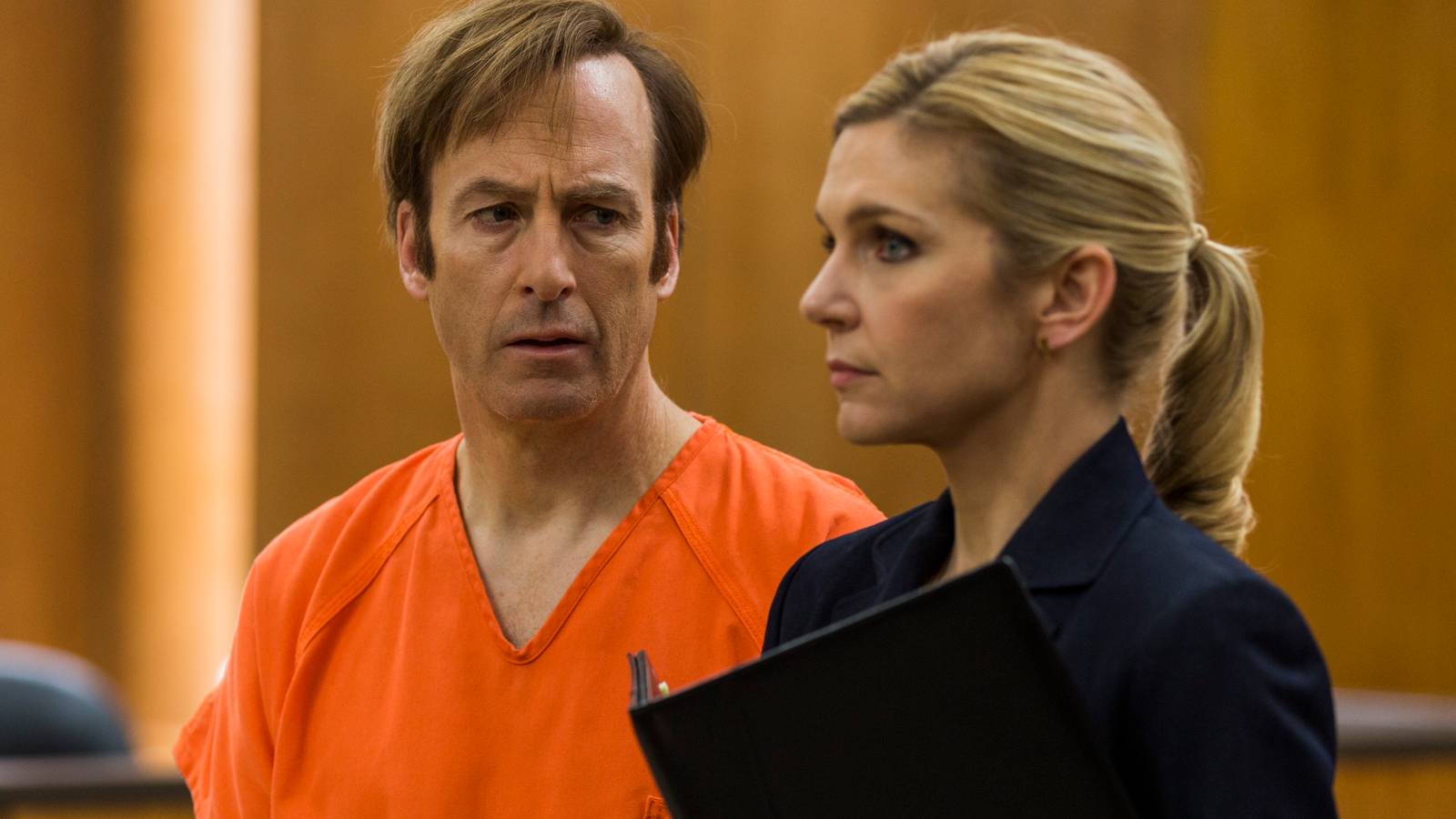
Jimmy and Kim looking horrified in Better Call SaulAMC / Courtesy Everett Collection
While the two shows explore very different characters in very different worlds, Better Call Saul has a lot of thematic parallels with Breaking Bad. In broad strokes, they’re both sprawling crime sagas focused on one character’s transformation from a good person into a bad person. They both chronicle their antihero’s descent into monstrosity, and they both build to a bittersweet ending.
Breaking Bad follows a high school chemistry teacher who’s diagnosed with lung cancer and starts cooking and selling crystal meth to make enough money to provide for his wife and children after he’s gone. Better Call Saul follows wayward, up-and-coming lawyer Jimmy McGill, who faces constant roadblocks in his attempts to forge a legitimate career and eventually gives it up in favor of practicing *criminal* law.
Walt and Jimmy don’t have a lot in common, especially when they start working together — Walt is Saul’s most problematic client in Breaking Bad, and Walt thinks Saul is a clown — but their journeys are very similar. They’re both driven to a life of crime by the nagging feeling that they’re being ignored and underappreciated by the world around them.
Walt tried to make his fortune the old-fashioned way, just like Jimmy, but he got squeezed out of his own company and ended up in a job where he feels his genius is being undervalued. At the end of Breaking Bad, Walt finally admits that he became a drug lord to stroke his own ego; it had nothing to do with providing for the family.
Jimmy feels similarly undervalued by his older brother, Chuck. When Jimmy got his law degree, he thought Chuck would be excited to work with him, but he never took Jimmy seriously as a lawyer. Chuck thought that Slippin’ Jimmy should’ve stayed in the mailroom, and that giving him a license to practice law was like giving a chimpanzee a machine gun.
Breaking Bad and Better Call Saul both earned their reputation as one of the greatest TV shows ever made, but Better Call Saul is arguably a rare case where the spinoff is superior to the flagship show. Better Call Saul was almost like a do-over of the same basic story, and Gilligan and co. learned from their previous storytelling experiences.
The transformation in Better Call Saul is much subtler than in Breaking Bad. Within the first couple of episodes of Breaking Bad, Walt is a murderer. He blows up a stockbroker’s car and beats up a teenage bully to show us right away that he’s “breaking bad.” Better Call Saul took a lot longer to show Jimmy’s descent into immorality.
By taking longer to chart the transformation, Better Call Saul left room for deeper, richer character development. We see how Jimmy justifies defending murderers, deals with unspeakable traumas, and ultimately becomes so heartbroken that he retreats into his clown persona full-time to protect himself.
Better Call Saul Could Only Be That Good Because Of What Breaking Bad Did
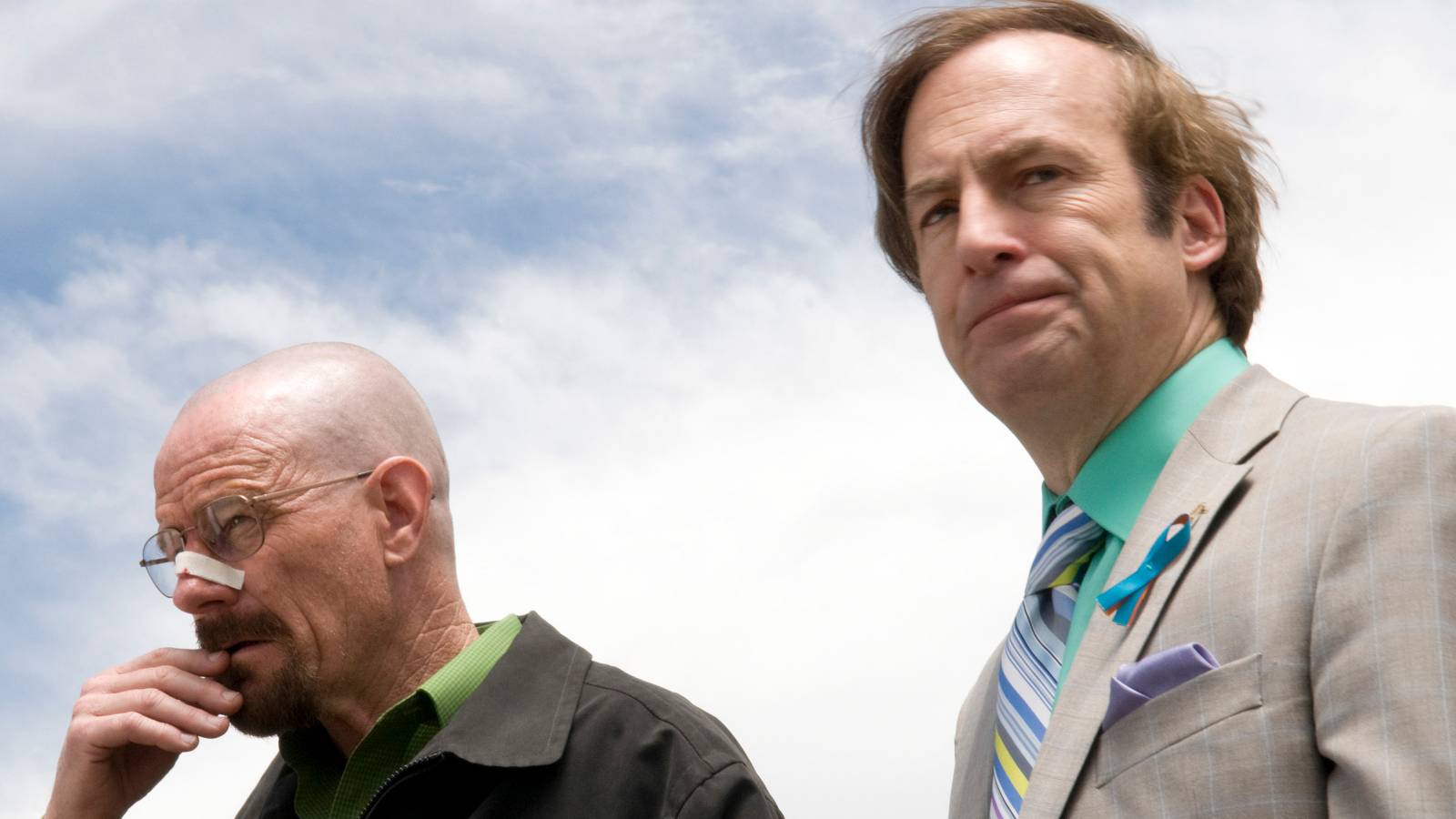
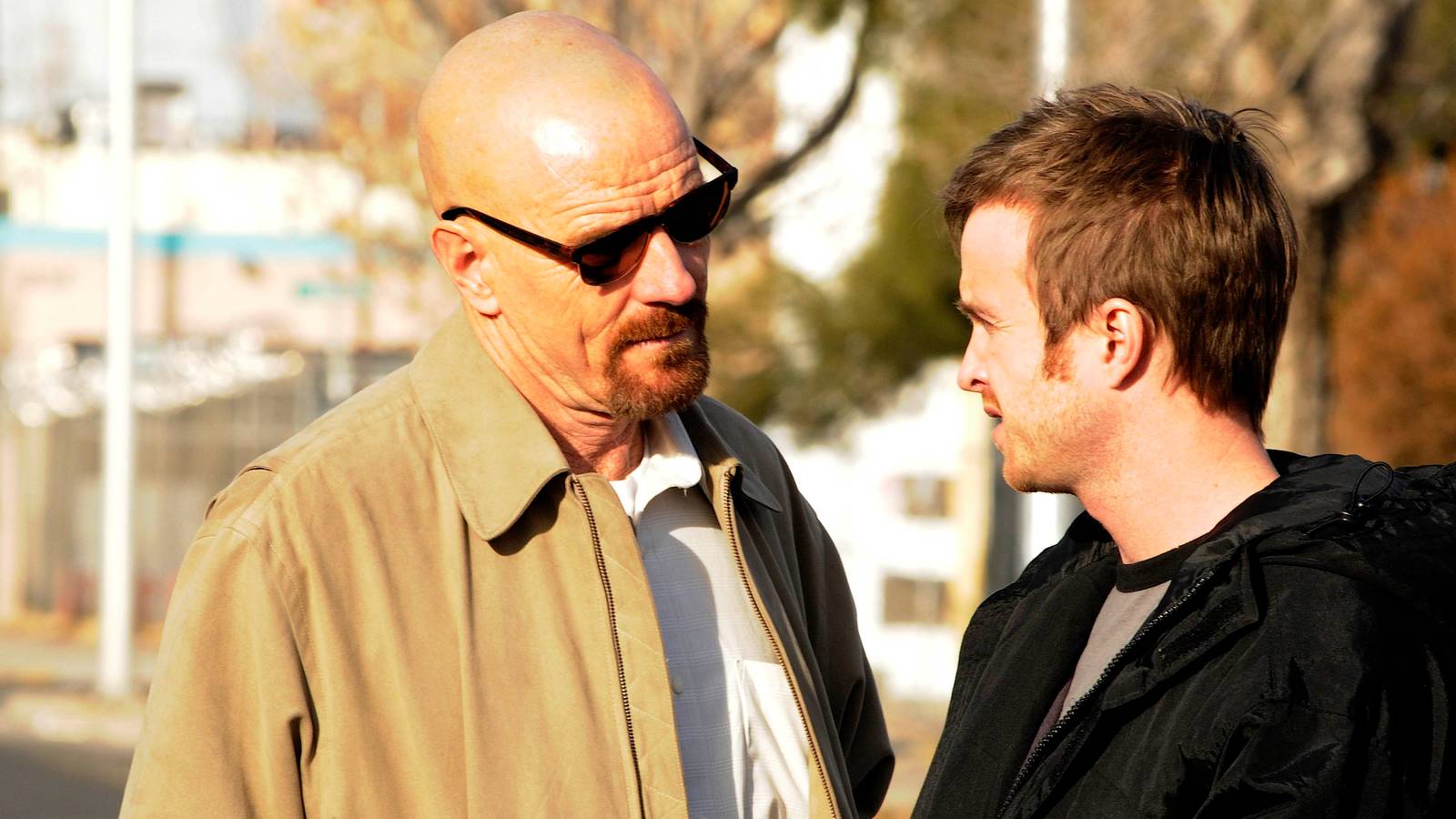
Walt confronts Saul in Breaking Bad
While Better Call Saul is arguably a better show than Breaking Bad, it wouldn’t have been able to be so great if not for all the groundwork laid by Breaking Bad. Breaking Bad had built out this world and introduced this sprawling ensemble of characters — Mike, Gus, the Salamancas — so the writers of Better Call Saul started off with an all-you-can-eat buffet of dramatic potential.
Like any great prequel, Better Call Saul used the inevitability of fate as a dramatic tool. Knowing that Kim and Nacho wouldn’t make it to Breaking Bad made us care so much more about where their storylines were going. Mike and Gus’ tragic fates were already sealed, but we got to know them in so much more depth.
Breaking Bad already showed us the hollow shell that Jimmy would eventually become when he adopted the Saul persona full-time, so it was heartbreaking to see him get closer and closer to that hollow shell in each season. When we finally learned the reason he abandoned his life as Jimmy altogether, it felt like an emotional gut punch.
Everyone Should Experience Breaking Bad And Better Call Saul At Least Once
Bryan Cranston as Walter White in the finale of Breaking Bad
Whichever one is technically the best, Breaking Bad and Better Call Saul are both all-time TV masterpieces that everyone should watch at least once. But they’re so densely layered with plot twists, worldbuilding, and emotional depth that they hold up to a couple of rewatches, too. This 11-season crime saga is a masterclass in long-form storytelling.








0 Comments