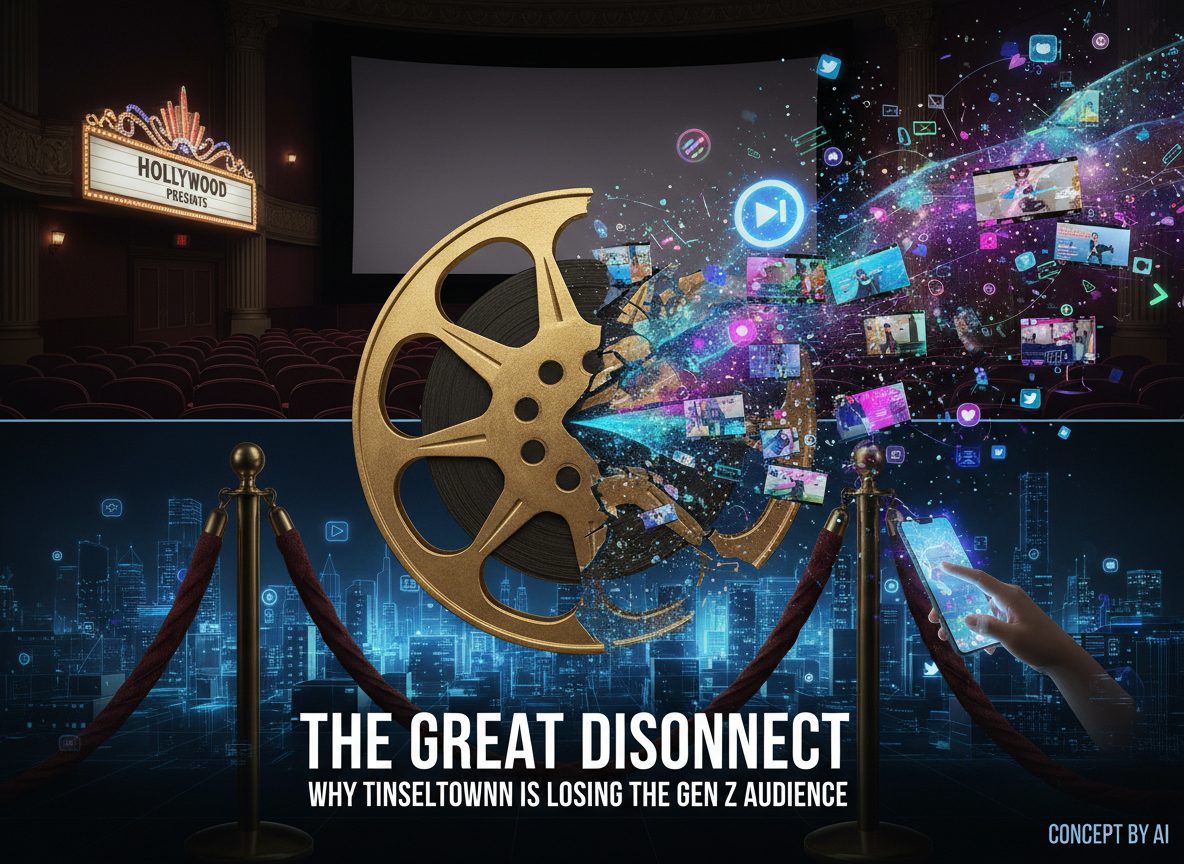
The Great Disconnect: Why Hollywood Is Losing Touch with the Gen Z Audience
The Great Disconnect: Why Hollywood Is Losing Touch with the Gen Z Audience
Hollywood thrives on young fans. Yet, today’s blockbusters often leave Gen Z cold. Born between 1997 and 2012, this group grew up with smartphones in hand. They scroll through endless clips on TikTok and binge shows on Netflix. But many big studio films feel outdated to them. Why does Hollywood seem to push them away? Let’s break down the reasons, from money woes to story flops. This gap hurts everyone in the movie game.
The Economic Reality: Box Office Decline and Generational Spending Power
Studios chase profits above all. Gen Z holds cash, but they spend it differently than past groups. At the same age, Millennials hit theaters often. Gen Z skips lines for cheaper options. Older crowds pack seats more reliably. This shift starves the classic cinema model.
Data shows the drop. U.S. box office hit $9 billion in 2023, down from pre-pandemic peaks. Gen Z makes up just 20% of ticket buyers, per Nielsen reports. They favor free YouTube vids or ad-supported streams. Hollywood bets on seniors who still love the big screen ritual.
Box Office Metrics vs. Streaming Metrics
Theater hits need crowds on opening weekend. Streaming success? It’s views over months. Gen Z binges fast, skips ads, and drops shows quick. Studios struggle to turn those habits into cash. A film like Barbie pulled crowds, but many flops rely on old fans.
Think about it. Traditional metrics count seats sold. Streaming tracks hours watched. Gen Z logs in for quick hits, not marathons. This mismatch leaves Hollywood guessing. They buy content based on stream data, but it rarely matches theater gold.
Inflation and Entertainment Budgets
Prices bite hard now. Movie tickets top $10 in most spots. Gen Z faces rent hikes and student debt. They cut fun spending first. Why drop $15 on a ticket when Spotify or TikTok costs less?
Inflation hit 8% in 2022, squeezing young wallets. Surveys from Deloitte say 40% of Gen Z picks free content over paid. They hunt deals, like shared Netflix logins. Hollywood’s premium push feels out of touch. Free tiers on platforms win every time.
Content Mismatch: Authenticity, Pacing, and Nostalgia Traps
Stories should grab you. Gen Z wants real talk, quick action, and fresh takes. Too many films recycle old ideas. They crave mess and truth, not shiny heroes. Hollywood’s safe bets often miss this vibe.
The Tyranny of the IP and Franchise Fatigue
Studios lean on old IPs hard. Think reboots from the ’80s like Ghostbusters: Frozen Empire. It bombed with under-25s, earning just 15% of its crowd from them. Gen Z never lived those eras. No childhood magic pulls them in.
Franchise overload tires them out. Marvel’s endless phases feel forced. A 2023 Variety poll found 60% of Gen Z skips sequels without new twists. They want originals, not more capes and nostalgia.
Indiana Jones and the Dial of Destiny: Pulled boomers, but Gen Z ratings sank on Rotten Tomatoes.
The Flash: DC’s speedster flop ignored young tastes for bold risks.
Demand for Relatability Over Aspiration
Old Hollywood sold dreams of glamour. Gen Z seeks mirrors to their lives. Diverse casts help, but stories must dig deep. Indie hits like Everything Everywhere All at Once nail this with wild, real family drama.
They ditch polished tales for raw ones. Social media stars share flaws openly. Why watch perfect lives when your feed shows the grind? Studios push aspiration, but it lands flat.
Pacing and Attention Spans in the TikTok Era
TikTok trains eyes for 15-second bursts. Long builds in films drag now. Gen Z taps out if the hook skips the first act. A slow start? They scroll away.
Classic three-act plots feel bloated. Data from Parrot Analytics shows Gen Z demands 20% faster pacing than boomers. Films like Oppenheimer win critics but lose young views. Quick cuts rule their world.
Distribution Wars: Meeting Gen Z Where They Already Are
Gen Z lives online. They don’t hunt theaters; content finds them. Hollywood treats social apps as ads only. But these kids build worlds there. Studios must join the party, not just wave from afar.
The Social Media Feedback Loop and Direct Criticism
Trailers drop, and backlash hits fast. Gen Z roasts on Twitter or TikTok. Remember The Rings of Power? Casting gripes went viral, hurting hype. Studios scramble to fix PR messes.
This loop shapes hits. Positive buzz from influencers boosts streams. But one bad take? Views tank. Hollywood reacts too slow, missing the real-time chat.
The Rise of Creator-Driven Ecosystems
Creators like MrBeast draw millions. His stunts feel fun and close. No studio polish—just pure energy. Gen Z trusts them over big names.
Platforms lower walls. Anyone can post, edit, share. YouTube stars earn big without gates. Hollywood’s machine looks stiff by comparison. Why bet on unknowns when safe IPs pay?
MrBeast’s videos: 300 million subs, all Gen Z fuel.
Twitch streams: Live chats build loyalty studios envy.
Second Screen Syndrome: Cinema as a Secondary Experience
Phones never sleep. At movies, Gen Z texts friends or checks memes. The screen splits focus. Theaters push “no phones,” but that fights their norm.
This habit cuts immersion. A 2022 study by Movio found 55% of young viewers multitask. Films become background noise. Hollywood must adapt or lose the full grip.
Diversity, Representation, and Cultural Competency
Gen Z demands real inclusion. Not just faces on screen, but voices behind it. Hollywood tries, but often it rings fake. They spot the hustle and bail.
Surface-Level Inclusivity vs. Authentic Storytelling
Diverse actors shine, yet scripts flop. Ghostbusters: Afterlife added women, but the story stuck to old tropes. Gen Z called it out as box-ticking.
True wins come from inside. Shows like Heartstopper on Netflix feel lived-in. Diverse teams craft them. Studios hire stars but skip deep hires. That gap shows.
Navigating Social Politics and Brand Alignment
Young fans back causes. Climate action, equality—these matter. Films that dodge or fake it get shade. Don’t Look Up mocked denial; it clicked with them.
Studios play safe to dodge fights. Neutral tales avoid boycotts but bore. Gen Z wants bold stands. Align or fade.
Rebuilding the Bridge: Actionable Strategies for Studio Engagement
Hollywood can fix this. Step up with fresh ideas and smart moves. Listen to Gen Z, not just chase old wins. Change now, or watch them walk.
Empowering New, Diverse Voices in Development
Bring in young creators. Hire writers from TikTok or indie scenes. They get the lingo and pulse. Skip the old guard for once.
Diversity quotas help, but go further. Fund shorts by Gen Z directors. Test ideas in focus groups with them. Real input builds bridges.
Experimenting with Distribution Windows and Pricing
Shorten waits for home views. Day-and-date releases mix theaters and streams. Gen Z pays if it’s easy.
Tiered prices work too. Cheap digital access for youth. Bundle with music apps they love. Flexibility wins loyalty.
Integrating Interactive and Community-Driven Storytelling
Make fans part of it. Poll on plots via apps. AR filters for promo tie-ins. Gaming crossovers pull them in.
Think metaverse events. Virtual premieres where they chat live. This turns passive watchers into active fans.
Conclusion: The Imperative to Innovate or Irrelevance
Hollywood drifts from Gen Z through cash crunches, stale stories, and old ways to share. Box office slips as they pick streams and social feeds. Content misses their beat on pace and realness. Distribution fights their digital life, and rep feels forced.
The fix? Hear them out. Boost new voices, tweak prices, join their worlds. Adapt fast, or the industry risks fading. What if studios blend old magic with fresh fire? Gen Z could return, stronger than ever. Dive into these changes—your next watch might thank you.
Article by Wowza News-Contributing Editor-Robert Ocasio-wowzatv.network






0 Comments