The Deeper Meaning Behind Better Call Saul’s Black-And-White Scenes
Better Call Saul was mostly filmed in color, but it has several black-and-white interludes peppered throughout its run, and those monochromatic scenes have a deeper meaning. The very first episode of Better Call Saul opened in black-and-white, showing where Saul ended up after he was relocated by Ed Galbraith toward the end of Breaking Bad.
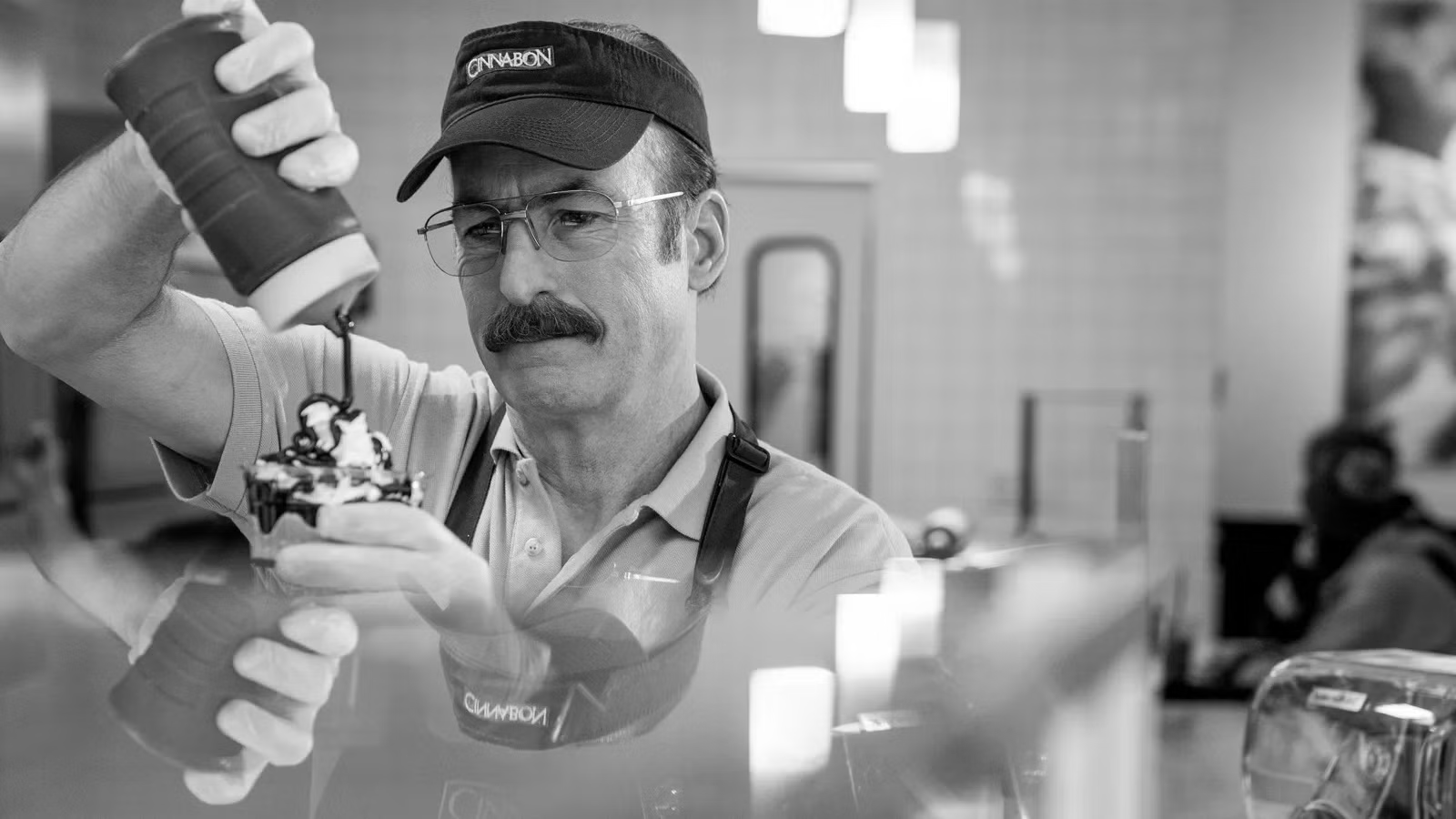
Just as he told Walt in his final Breaking Bad scene, Saul wound up managing a Cinnabon in Omaha, Nebraska. This opening sequence set up a tradition that continued for the rest of the series. Every subsequent season premiere had a cold open filmed in black-and-white, catching up with Saul in his post-Breaking Bad misery.
When Better Call Saul’s Black-And-White Scenes Are Set
Jimmy McGill/Saul Goodman/Gene talking on a payphone to Francesca in Better Call Saul Season 6, Episode 11, “Breaking Bad”
The black-and-white scenes in Better Call Saul take place in 2010, a few months after the events of Breaking Bad. Saul is hiding out in Omaha, working at a Cinnabon under the name Gene Takavic and keeping a low profile. In the meantime, the feds are still investigating Heisenberg’s crimes. Walt is dead, but there’s a hefty backlog of criminal activity to go through.
At one point, Jimmy calls his old assistant Francesca to see if any of his assets remain unseized by the feds, but the investigators got to all of it. Jimmy was clearly hoping that his time in Omaha was just temporary, and that he could eventually get back to some kind of life of crime undetected, but all his contingency plans quickly fell apart.
Why Every Season Of Better Call Saul Opens With A Black-And-White Scene
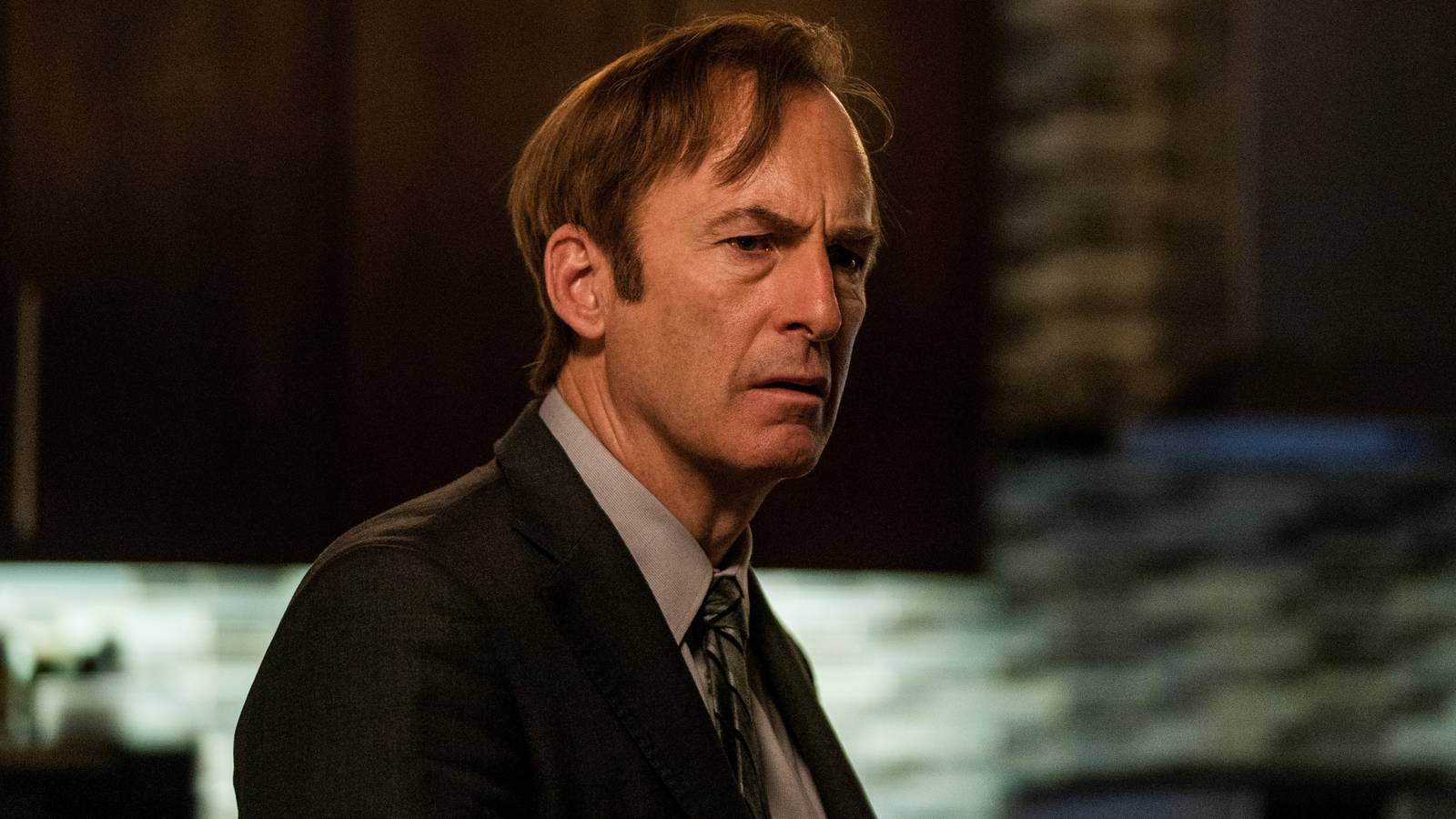
Jimmy McGill/Gene Takovic (Bob Odenkirk) in Better Call Saul.
Like all the best prequels, Better Call Saul uses the inevitability of fate as a dramatic device. We knew Kim Wexler wasn’t around in Breaking Bad, we knew Hector Salamanca would end up in a wheelchair, and we knew a chemistry teacher would take over the local drug trade, so the writers played around with that knowledge to keep us engaged with the prequel storyline.
The black-and-white scenes that open every season of Better Call Saul are the clearest example of this. It was our annual reminder that Saul’s story would end in abject misery and loneliness. No matter how well things are going for Jimmy in the main storyline — marrying Kim, gaining success and notoriety as a lawyer, making money hand over fist — this is where he’ll end up.
Martin Scorsese’s crime films are all cautionary tales about the grim fate that awaits everyone who gets embroiled in the glamorous world of organized crime. Travis Bickle gets riddled with bullets, Henry Hill ends up in a suburban prison, and The Irishman introduces every character alongside a caption detailing their gruesome cause of death.
Better Call Saul’s black-and-white season openers are a way of conveying the same message. It might’ve looked fun to see Saul talk his clients out of trouble and make stacks of cash in Breaking Bad, but he ended up as a shell of his former self, working a boring nine-to-five job under a fake name and keeping to himself.
The Real Meaning Of Better Call Saul’s Black-And-White Scenes
Gene checking out a colorful shirt in Better Call Saul
On the surface, Better Call Saul’s black-and-white scenes are just a cheeky nod to a former Bob Odenkirk project. Odenkirk had appeared in a black-and-white movie called Nebraska, so when Saul lived in Nebraska in Better Call Saul, the creators had the neat idea to shoot those scenes in black-and-white. But it’s not just an Easter egg; it has a deeper meaning than that.
Jimmy’s exciting life under the Saul persona was defined by color. He wore bright, flashy suits to stand out as he put on his clown show at the courthouse. When he can no longer play Saul or game the justice system, Jimmy is miserable and unfulfilled. Better Call Saul symbolizes that visually by literally draining all the color from his life.
Why Better Call Saul Season 6’s Final Episodes Were Set In The Black-And-White Era
Gene pushes Marion’s chair in Better Call Saul
In the second half of its final season, Better Call Saul finally matched the nail-biting intensity of Breaking Bad. Gus and Lalo’s rivalry came to a head, Nacho went on the run from two sides of a gang war, and Jimmy went full Saul. But when the show caught up to Saul’s first meeting with Walt, the pacing slowed to a halt.
The rest of the series took place in the black-and-white timeline, as Jimmy desperately tried to prevent Jeff from spilling his secret to the world. These last few episodes had to take place in the show’s black-and-white era, because the prequel storyline caught up to the sequel storyline. When it reached the start of Breaking Bad, it skipped to the end of Breaking Bad.
Better Call Saul Continued Breaking Bad’s Genius Use Of Color
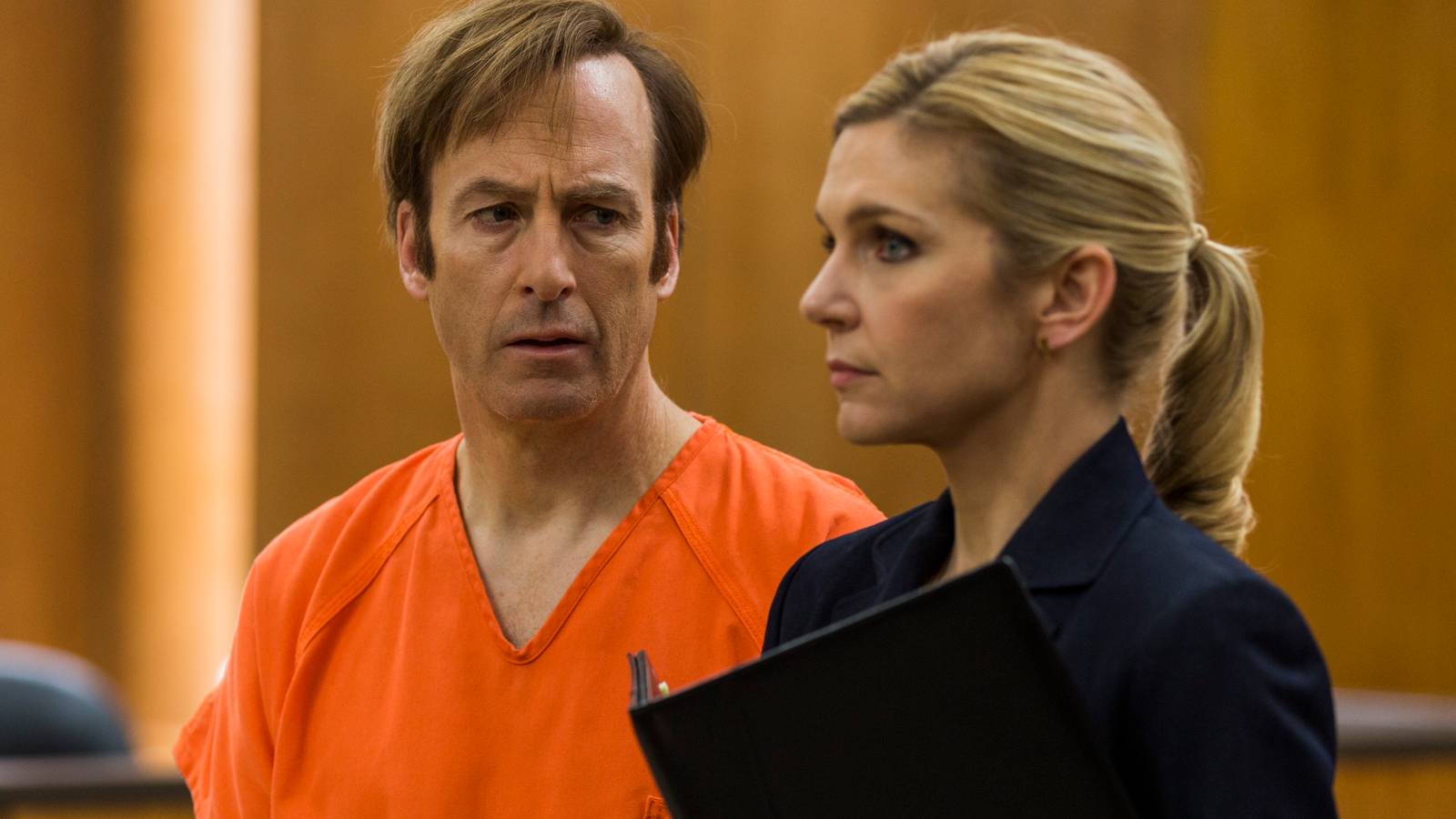
Bob Odenkirk as Jimmy McGill and Rhea Seehorn as Kim Wexler’s final smoking scene in prison in Better Call Saul’s last episode
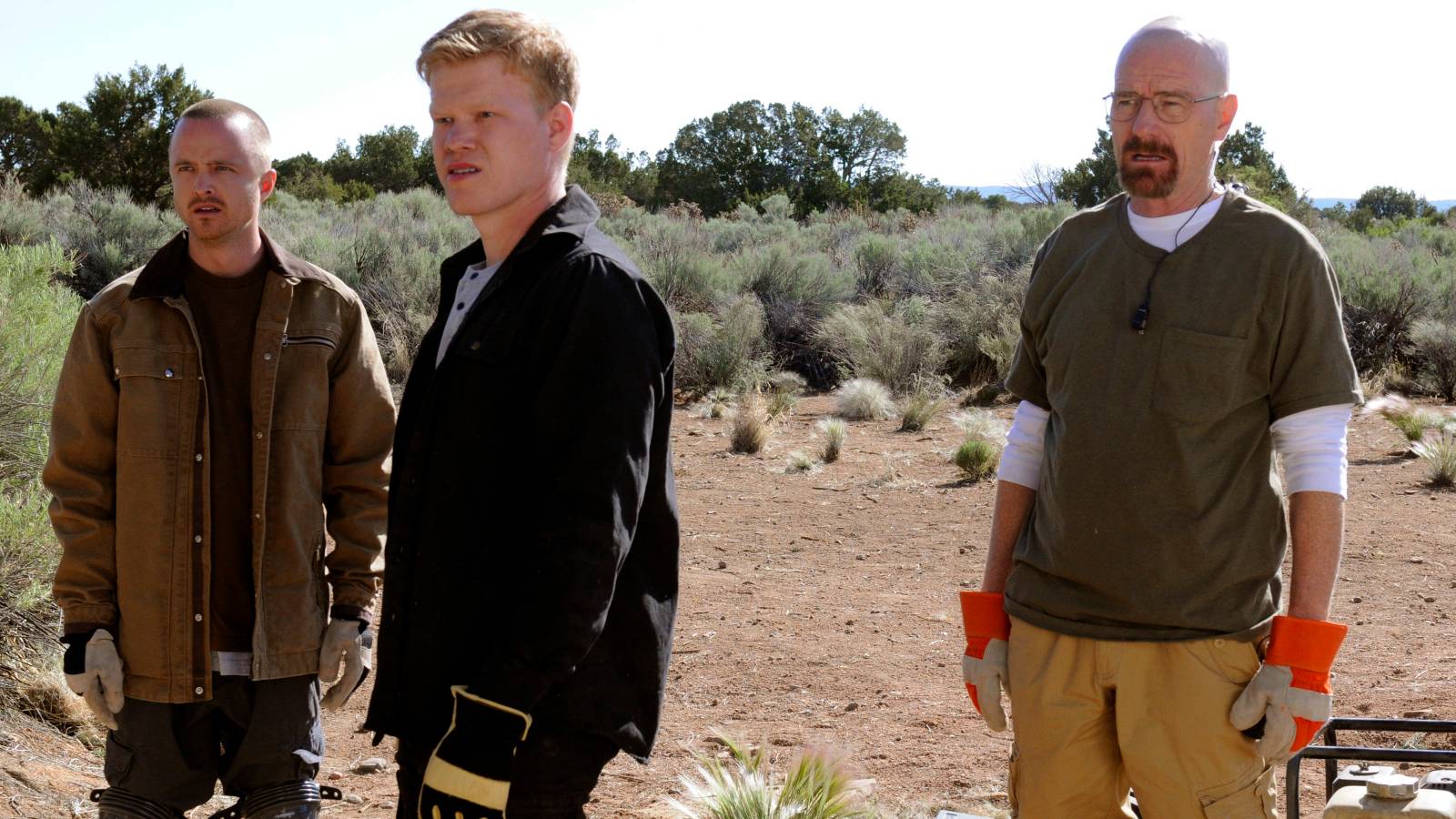
By switching between color and black-and-white, Better Call Saul continued Breaking Bad’s signature use of color. Breaking Bad famously used color for symbolic purposes, reflecting the characters’ personalities and key themes in the narrative.
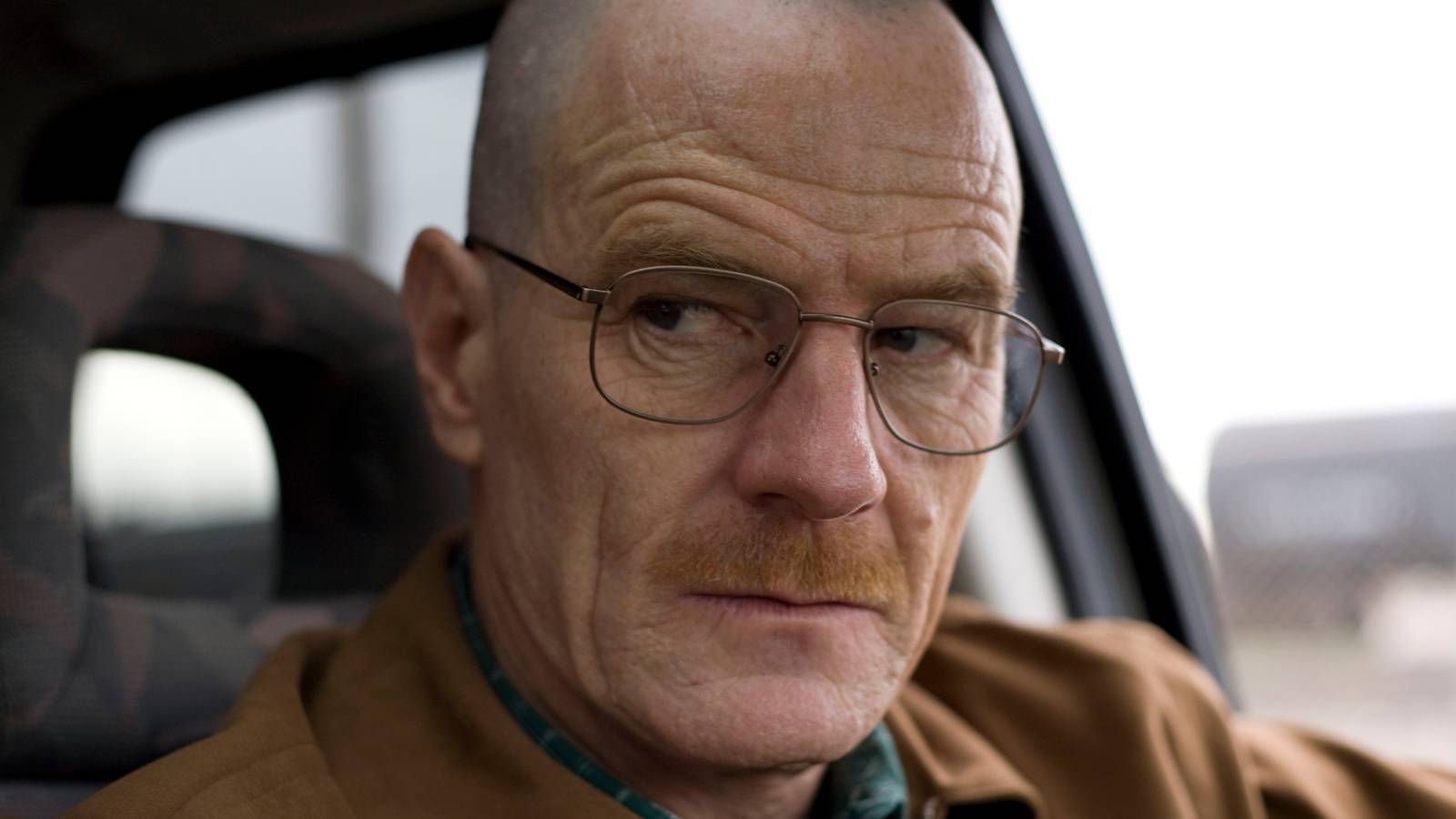
Walt wears a green apron when he starts cooking meth in a desperate attempt to make some green cash fast. Blue represents purity, often seen in Skyler’s clothing and, of course, Walt’s industry-leading blue meth. Better Call Saul continued to utilize color theory in really interesting, cinematic ways.





0 Comments