Jon Stewart Perfectly Explained One Jimmy Kimmel Issue
During a surprise Thursday appearance, legendary The Daily Show host Jon Stewart responded to Jimmy Kimmel’s ABC preemption by expertly illuminating a core issue that hasn’t lately been represented well by either side of the debate. In doing so, Stewart demonstrated why The Daily Show’s cancelation would deprive the infotainment genre of one of its most-needed voices at the moment.
Since ABC pulled Jimmy Kimmel Live! from the air after controversial statements about the murder of right-wing commentator Charlie Kirk, much of the online discourse has centered on whether Kimmel was being maliciously inflammatory. However, there’s another prominent debate topic that tends to be frequently misunderstood, and Jon Stewart’s surprise The Daily Show appearance put that issue front and center.
Jon Stewart’s Surprise The Daily Show Episode After Kimmel’s Firing Explained
He Approached Kimmel’s Situation Much Differently Than He Covered Colbert’s
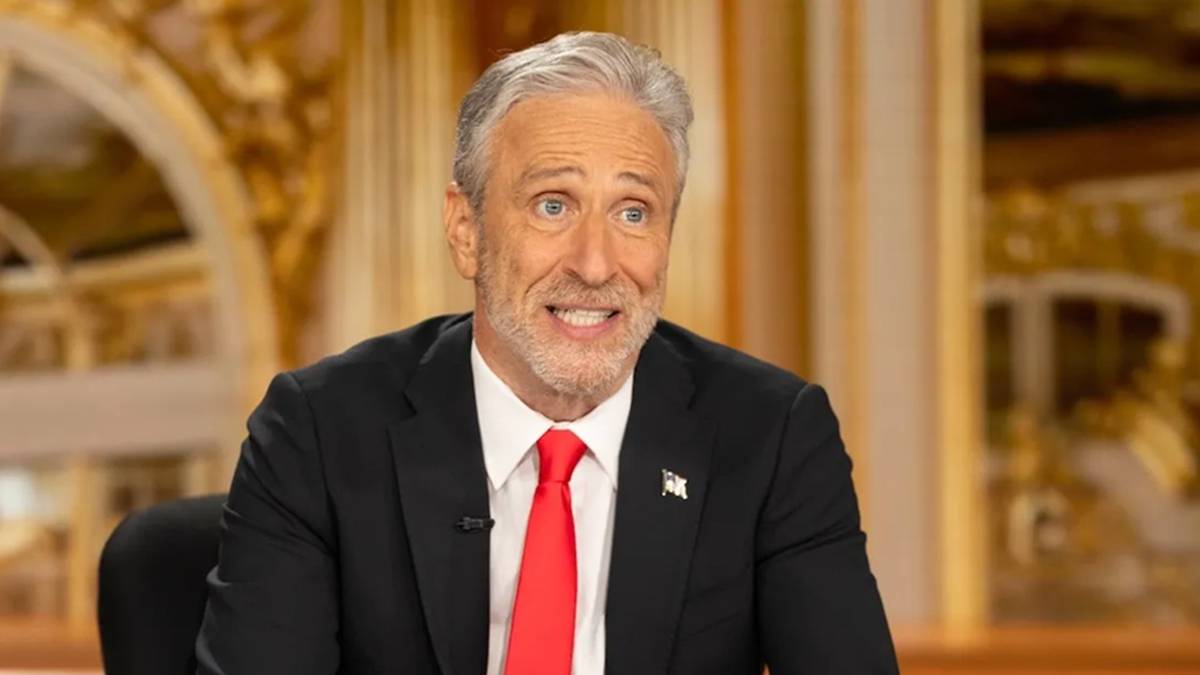
Jon Stewart on The Daily Show Credit: Image via Paramount
Regular viewers of The Daily Show are well aware that, since his return, Stewart typically only hosts on Monday nights. The Thursday, September 18 broadcast marked a notable exception, and it was assumed as soon as his appearance was announced that Stewart hosted the show specifically to address the Jimmy Kimmel situation amid growing concerns about American free speech limitations.
However, this was far from the evening’s only surprise, as Thursday night’s schedule-breaking host appearance took on a much different tone from Stewart’s response to CBS canceling Stephen Colbert. Stewart addressed his long-time friend and colleague’s firing with grave earnestness, even demonstrating a fair bit of tooth-gnashing hostility toward those both directly and indirectly responsible. He remarked at the time:
“If you’re trying to figure out why Stephen’s show is ending, I don’t think the answer can be found in some smoking gun email or phone call from Trump to CBS executives or in CBS’ QuickBooks spreadsheets on the financial health of late night. I think the answer is in the fear and pre-compliance that is gripping all of America’s institutions at this very moment, institutions that have chosen not to fight the vengeful and vindictive actions of our pubic hair doodling Commander in Chief. This is not the moment to give in.”
Unsurprisingly, The Daily Show fans expected (if not actively desired) similar outrage in response to Kimmel’s suspension. Instead, Stewart played the entire first half of the show in character as a frightened purveyor of state-sponsored ideals. He still addressed many of the same issues, but he put them into the mouths of straw men while feigning allegiance to the administration.
This segment received some pushback online, not unlike that received by Saturday Night Live when they did a similar bit for their 2024 post-election show. Fortunately for Stewart’s detractors, his interview with Nobel Peace Prize winner Maria Ressa took on a more serious tone. And, while the two segments were tonally quite different, they both accomplished one particularly vital goal.
Jon Stewart Perfectly Explains The Freedom Of Speech Debate After Kimmel’s Firing
Many Online First Amendment Debates Have Missed The Most Relevant Factor
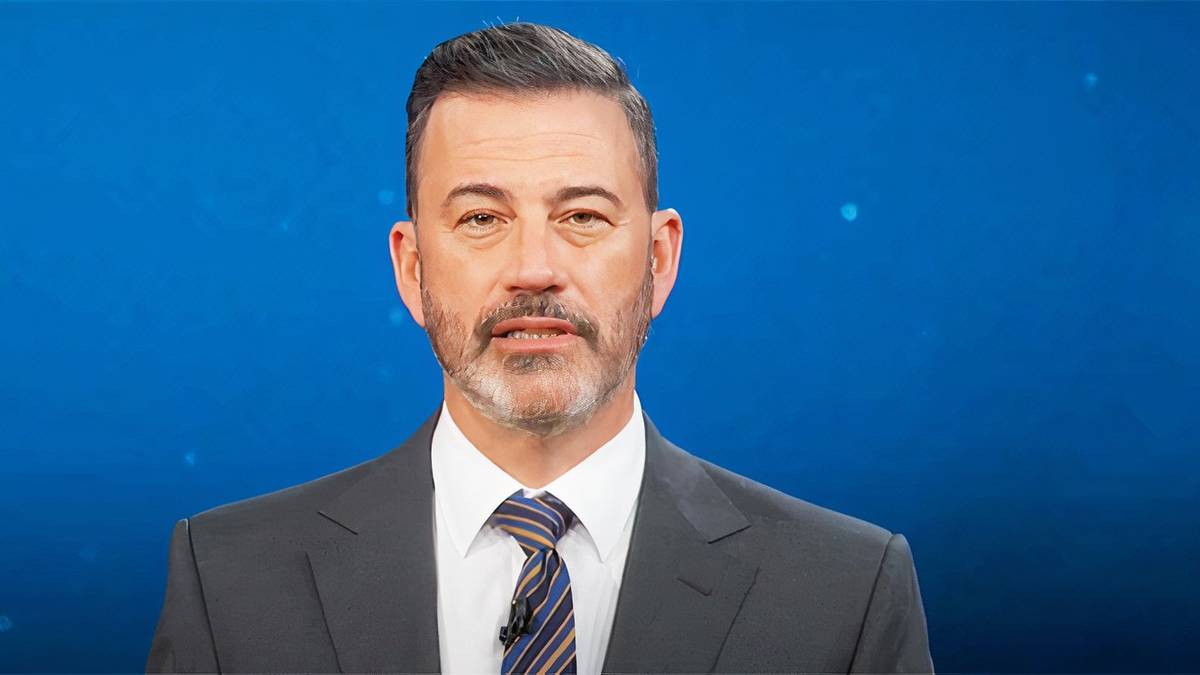
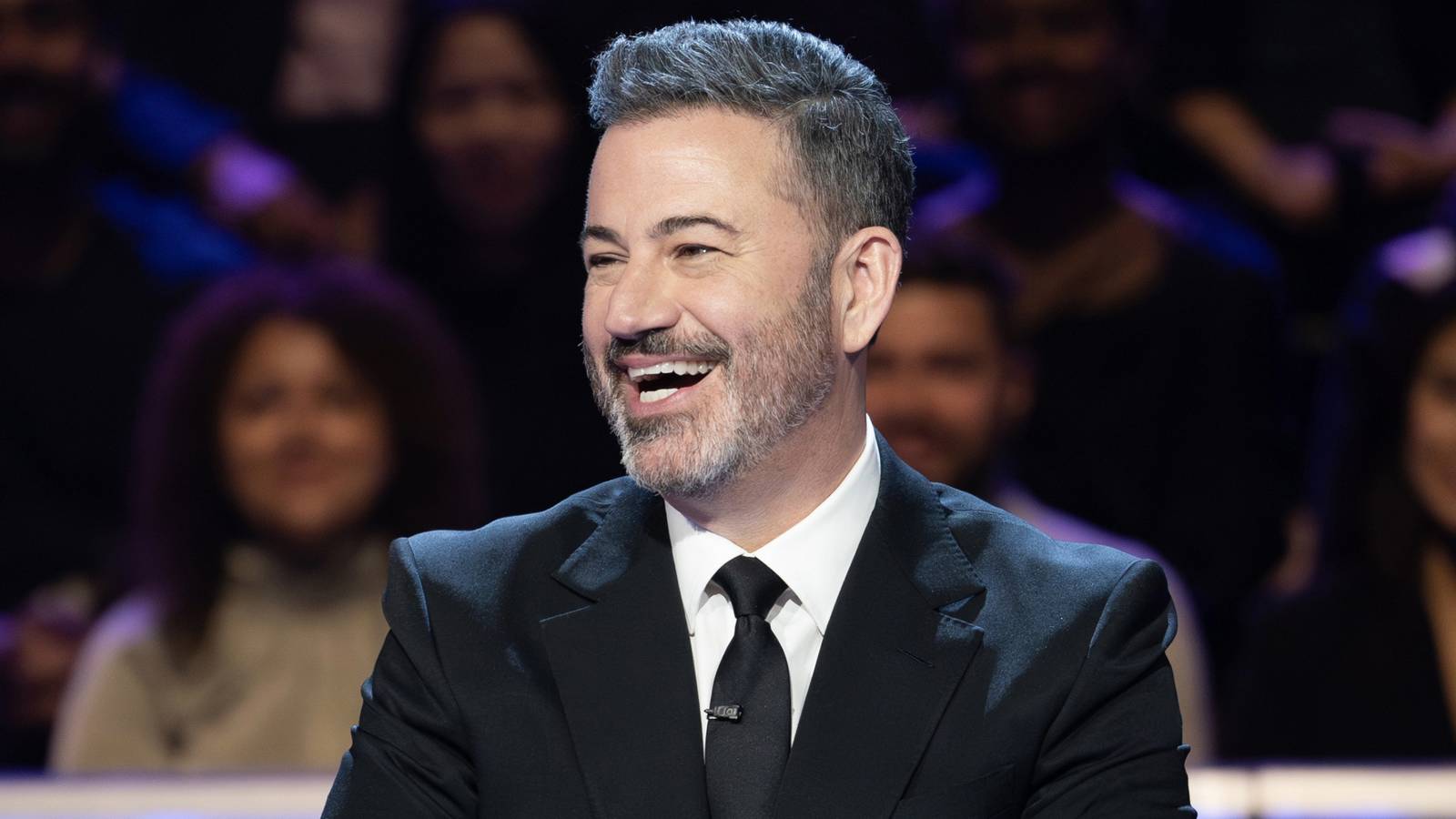
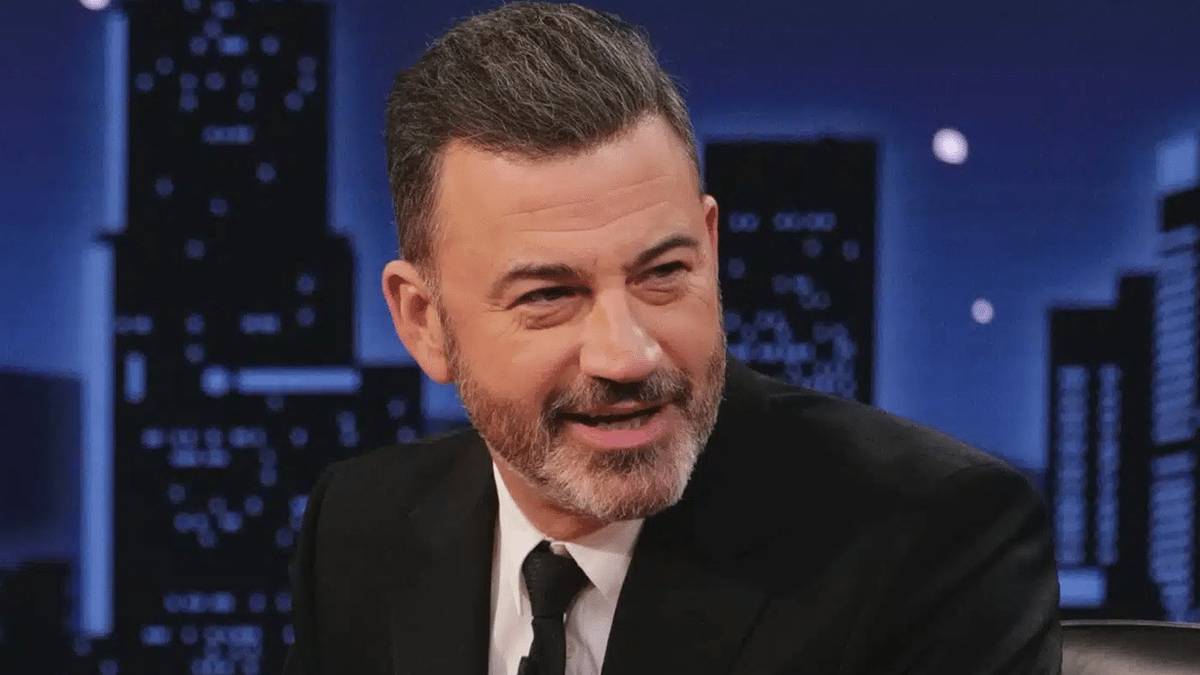
Jimmy Kimmel hosting Jimmy Kimmel Live on ABCCredit: Image via ABC
Anyone watching the Kimmel situation unfold primarily through arguments on social media platforms like Reddit and YouTube has seen plenty of debate about the exact meaning of “freedom of speech” and the specific protections offered by the First Amendment. Interestingly, Stewart managed to explain free speech concerns while bypassing these typical discussion topics in favor of more specific talking points.
Stewart didn’t explain the Bill of Rights (although he did urge viewers to read it), nor did he quibble over whether Kimmel needed to objectively celebrate Kirk’s death in order to cross a line. But he subtly addressed arguments that the First Amendment only protects against unlawful arrest. Although still in character, Stewart’s initially facetious rant abandoned pretense midway through:
“You may call it free speech in jolly old England. But in America, we have a little something called the First Amendment. And let me tell you how it works. There’s something called a talent-o-meter. It’s a completely scientific instrument that is kept on the president’s desk, and it tells the president when a performer’s TQ (talent quotient), measured mostly by niceness to the president, goes below a certain level, at which point the FCC must be notified to threaten the acquisition prospects for billion-dollar mergers of network affiliates. These affiliates are then asked to give ultimatums to the even larger mega-corporation that controls the flow of state-approved content, or the FCC can just choose to threaten those licenses directly. It’s basic science.”
Many online discussions have defended Kimmel’s suspension on the basis that he wasn’t arrested, while many on the other side have speculated as to whether such arrests could happen in the future. Stewart’s remarks about the FCC refocus the conversation on the broader topic of government overreach and the effects it can have on speech without necessitating political imprisonment.
Kimmel fans’ Disney backlash hasn’t yet accomplished much other than to thrust a hard place against the rock that the FCC already dropped on ABC. By making the FCC his main point of focus, Stewart addresses concerns about an independent government agency meant to be protected from political bias or manipulation. He then expounded further in his interview with Ressa:
“It’s like a chef. A chef has a couple of tricks. You come into a restaurant, what’s a chef going to do? He’s going to be like, ‘You know what? I want these people to come back. I’m going to throw in a little extra butter. I’m going to add a little bit of sugar to the marinara.’ But it’s still within the realm of—but then you look at ultra-processed food.
And you realize, that’s different. That’s guys in lab coats trying to figure out how to bypass whatever biological signals you give that cause you to stop eating, to bypass that to make you sick. And it’s so interesting because you watch MAHA [Make America Healthy Again] talk about, ‘We have to get rid of ultra-processed foods. It’s killing us. It’s making us fat.’ And then Big Pharma comes in, and they give us GLPs, and it’s a big cycle.
But nobody talks about ultra-processed speech. And that’s the difference. The algorithm is ultra-processed. It’s not about adding a little bit of humor or a little bit of fear or a little bit of outrage. It’s about designing a machine.”
This analogy could take on numerous meanings out of context, but Stewart and Ressa are specifically discussing political manipulation. If the chef is a host or network appealing to their audience organically through quality content, the ultra-processed host would be one who self-censors to accommodate unhealthy new industry standards.
That’s what many fear TV could become after the standard set by Kimmel’s suspension. Whether the First Amendment falls under the constitutional theory of strict or broad construction is irrelevant because the importance of free speech extends beyond a single eighteenth-century text. This has been the crux of the argument among Kimmel’s defenders. Stewart simply clarified it better than most.
Why Jon Stewart Is The Best Person To Dissect Complicated Situations
The Daily Show’s Other Correspondents Have Yet To Match Him In One Way
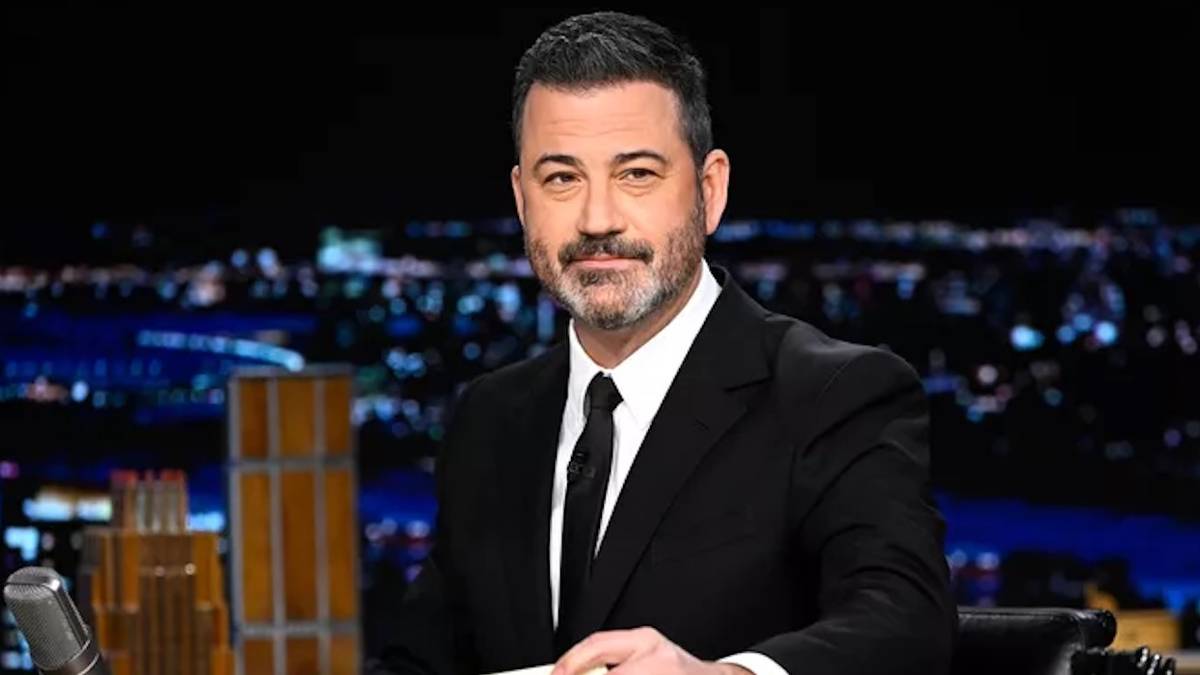
Jon Stewart looking at the camera with a wry look on his face for The Daily Show
Not all viewers appreciated Stewart’s feigned acquiescence bit, and it didn’t help that both Jimmy Fallon and Seth Meyers had already used the same gag. But Stewart managed to keep up the bit for several minutes while still representing his fans’ views. That’s a tough balancing act that not all The Daily Show correspondents could pull off with such efficacy.
That’s not to say they lack value. The Daily Show’s Desi Lydic is Stewart’s best replacement should he ever depart in the near future. But, with every ounce of respect due to Lydic, Jon Stewart remains virtually unmatched in his ability to break down political science into digestible entertainment.
Much of his interview with Ressa covers concepts that might require passing a 400-level poli-sci course for some people to grasp fully, but his processed food analogy cuts to the heart of his argument in a way most viewers can comprehend. Even those who disagree with him would be hard-pressed not to at least follow the logic behind his perspective.
Stewart’s surprise The Daily Show appearance further demonstrates how he balances nuanced comedy, unmasked outrage, and worldly political insight in a very intentional way. Fans wanted more anger, but downplaying that helps protect Stewart from following in Colbert and Kimmel’s footsteps. Inviting retribution could hurt dozens of suddenly unemployed production staff far more than cancelation would likely hurt Stewart himself.
Of course, this doesn’t mean fans won’t still get to see a less hindered The Daily Show monologue by Stewart in the near future. Speculation on both sides of the aisle suggests Kimmel’s suspension might merely be one cog in Stewart’s “ultra-processed machine.” If trends do continue, Stewart could become one of the most important voices in the pursuant conversation.
Enjoy ScreenRant’s primetime coverage? Click below to sign up for our weekly Network TV newsletter (make sure to check “Network TV” in your preferences) and get the inside scoop from actors and showrunners on your favorite series.
Allison Silverman, Charlie Grandy, Hallie Haglund, Sam Means, Wyatt Cenac, Scott Jacobson, Rob Kutner, Rich Blomquist, Jonathan Bines, Elliott Kalan, Aaron Bergeron, Tom Johnson, john oliver, Jason Reich, Eric Drysdale, Daniel J. Goor, Chris Regan, Travon Free, Rachel Axler





0 Comments