James Bond’s Best Bond Girl From Each Decade: A Retrospective
The James Bond series has its fair share of iconic female characters, with the term “Bond girl” emerging to describe the woman with whom 007 is associated. These were often love interests with whom he had whirlwind love affairs but also represented cunning villainesses who forced him to use his skills and gadgetry as an MI6 agent.
Every James Bond movie features at least one Bond girl, and many actresses achieved their breakout success in the series before going on to have long, fruitful careers. Whether it’s the outdated depiction of women seen in the Sean Connery era or the more modern sensibilities of Daniel Craig’s tenure, Bond girls are an integral part of this beloved franchise.
Honor Blackman As Pussy Galore In Goldfinger (1964)
Pussy Galore in GoldfingerHonor Blackman as Pussy Galore in Goldfinger
Sean Connery’s most iconic outing as 007 also featured the very best Bond girl of the 1960s, as Honor Blackman played the iconic villainess Pussy Galore. Arguably the most daringly named of Bond’s many sexually suggestive female acquaintances, Pussy was the leader of the Flying Circus gang of women aviators working for Auric Goldfinger.
With sharp wit and impressive judo skills, Pussy Galore stood apart from the more passive Bond girls of earlier films, proving herself a match for 007’s espionage talents. However, unlike the usual sexually charged romantic attachments that often occur in James Bond movies, her interaction with the MI6 agent was deeply uncomfortable as he sexually assaulted her in a barn.
While Goldfinger remains the gold standard of Connery’s tenure as 007, Pussy Galore’s character also reflects the era’s troubling attitudes toward women. Although the free love movement of the late 1960s was just on the horizon, there’s a darkness to her story that’s hard to shake.
Jane Seymour As Solitaire In Live and Let Die (1973)
Jane Seymour as Solitaire in Live and Let Die
In an exciting spin on the normal Bond girl formula, Jane Seymour’s Solitaire had the upper hand on 007 in one unique way: she was psychic. With a mystical aura, Solitaire’s vision was central to the plot of Live and Let Die as Roger Moore’s Bond sought her skills in his mission against the Harlem drug lord Mr. Big.
One thing viewers could expect from a 1970s Bond girl was a lot of sexual connotation to their character, and this was certainly the case for Solitaire, whose psychic ability only worked as long as she remained a virgin. This comes into play through her romance with Bond and the tarot card readings that suggested they’re meant to be together.
With a powerful emotional arc that addresses her struggle to balance her powers with the desire for personal freedom, Solitaire’s character was a fascinating symbol for the changing roles of women in society at the time. As a representation of the shift toward more multidimensional female characters in Bond movies, Solitaire helped move the franchise forward.
Maud Adams As Octopussy In Octopussy (1983)
Maud Adams and Roger Moore in Octopussy
Maud Adams is the only actress to play two different Bond girls, as she first appeared in The Man with the Golden Gun before gaining her best-known role as the title character in Octopussy. As the commanding leader of a smuggling operation, Octopussy showcased a level of independence and authority rarely seen among Bond girls.
While it’s true that Octopussy was a villain, she also differentiated herself from previous adversaries like Blofeld in one key way: her intense romantic chemistry with Bond. Despite being an antagonist, Bond and Octopussy’s thinly veiled flirting eventually leads the two to share a bed together before the film’s eventual climax.
With a memorable name and iconic, jeweled outfits, Octopussy remains the greatest Bond girl of the 1980s and one of the most recognizable villains in the entire franchise. Through stunts, set pieces, and steamy scenes, Octopussy ticked all the boxes of an excellent Bond girl.
Michelle Yeoh As Wai Lin In Tomorrow Never Dies (1997)
Michelle Yeoh as Wai Lin holding guns in Tomorrow Never Dies
The appeal of Hong Kong action movies met the James Bond franchise when Michelle Yeoh joined the cast of Tomorrow Never Dies in 1997. As the future Oscar winner’s breakout Hollywood performance, Yeoh already had an acclaimed career in Asia, starring in action classics like Yes,Madam and opposite Jackie Chan in Police Story 3: Supercop.
These credentials meant that Yeoh had more than enough talent to play the greatest Bond girl of the 1990s, Wai Lin. As an operative for the Chinese People’s External Security Force, Wai Lin had the skills to match Bond, and after initially thinking he had been sent to kill her, the two started working together.
The only disappointing thing about Wai Lin was that we didn’t see more of her, and although it’s great that James Bond hasn’t been overrun with spin-offs, she would have made a great franchise star herself. Wai Lin was even supposed to have a cameo in Die Another Day, but Yeoh rejected it (via SlashFilm) because the role was too small.
Eva Green As Vesper Lynd In Casino Royale (2006)
Eva Green as Vesper Lynd sitting on a train in Casino Royale
While everyone will have a different answer for their favorite era of James Bond, few will deny Casino Royale’s place as the most fully realized and emotionally complex entry in the series. With a more mature sensibility, even the Bond girls had entered the 21st century, as seen from Eva Green’s exceptional portrayal of Vesper Lynd.
As a treasury agent whose job is integral to 007’s mission, Vesper is more than a simple love interest, as her own motivations, secrets, and moral struggles also play into the story of Casino Royale. While earlier Bond girls subtly moved the franchise toward more multidimensional female characters, Vesper represented this actually becoming a reality.
Vesper isn’t a sex object to Bond, and the pair actually have a genuine love story in a way that hadn’t been seen before. As a character whose life came to a tragic end, her demise would profoundly shape Bond’s character, and this pain continues to be evident throughout the rest of Daniel Craig’s tenure as Bond.
Léa Seydoux As Madeleine Swann In Spectre (2015)
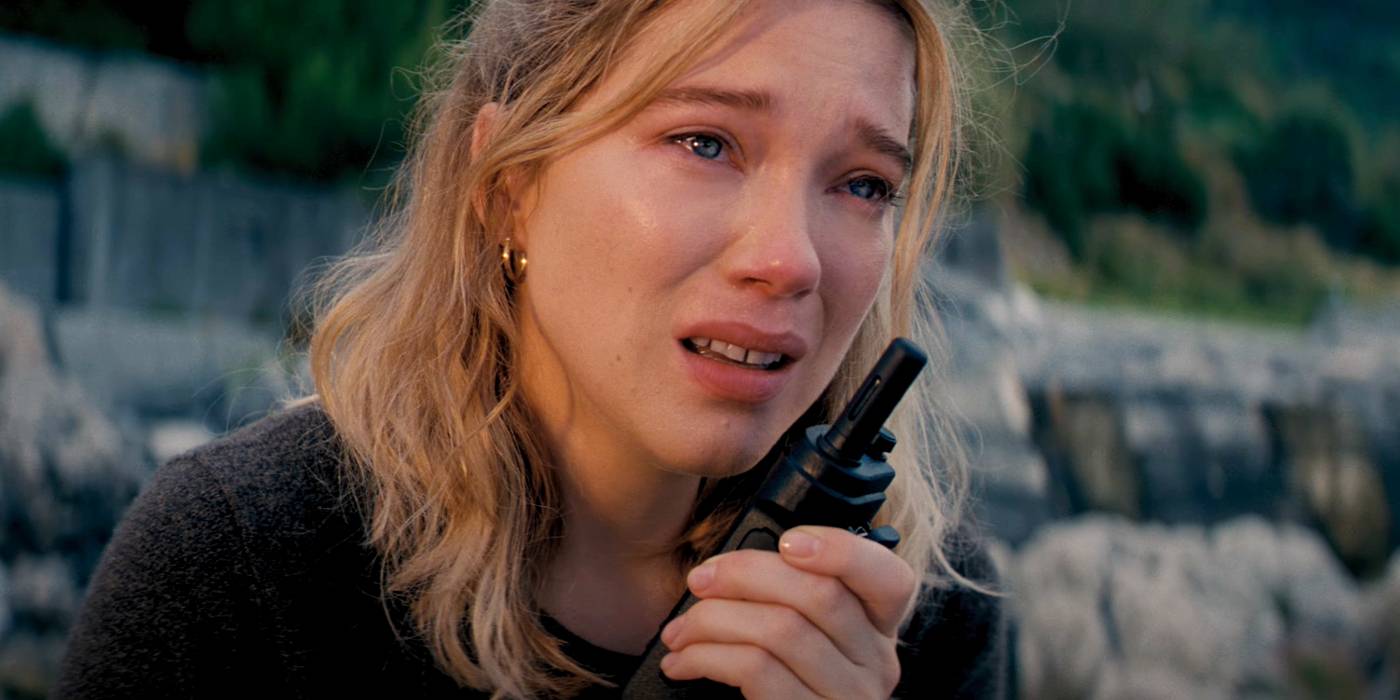
Lea Seydoux as Madeleine Swann in James Bond
Léa Seydoux’s Madeleine Swann is an essential character within the Daniel Craig era of James Bond, as she stands as the mother of this MI6 agent’s child. As a competent psychologist, Madeleine’s rich characterization presented her as a complex and emotionally mature woman, matching the dark, brooding intensity of Bond.
Unlike the surface-level interactions between Bond and earlier love interests, he and Madeleine carve out a romance that is based on mutual understanding, vulnerability, and trust. While love and James Bond aren’t generally two words that go together, she was the woman he actually opened his heart to.
The James Bond franchise has a controversial history when it comes to the representation of women on screen; yet, Madeleine highlights the series’ steady move into more progressive territory. With over 60 years of James Bond films, Madeleine Swann stands out as one of the most fully realized and emotionally significant female characters in the franchise’s history.









0 Comments