Hear Me Out, Frodo Should Have Died In The Lord Of The Rings
The Lord of the Rings is a timeless literary masterpiece and a benchmark for storytelling across all mediums. It’s hard to conceive of a way Tolkien’s story could possibly be improved, being an exemplary example of characterization, plot, and world-building. One could, however, argue that Frodo dying at the end of The Return of the King would have provided a more fitting outcome for the hobbit hero.
The scene would happen at Mount Doom. Perhaps in a moment of sudden clarity, Frodo realizes the One Ring has corrupted him beyond repair and he can no longer release it willingly, so he grasps the Ring and falls into the fires with it. Or maybe Frodo fades away on the side of Mount Doom after the Ring is destroyed, beset by exhaustion and darkness, clutching Sam’s hand until the very end.
There are several ways it could happen, but whatever the circumstances might be, dying would arguably represent the more appropriate fate for Middle-earth’s savior.
The Argument For Frodo Dying In The Lord Of The Rings’ Ending
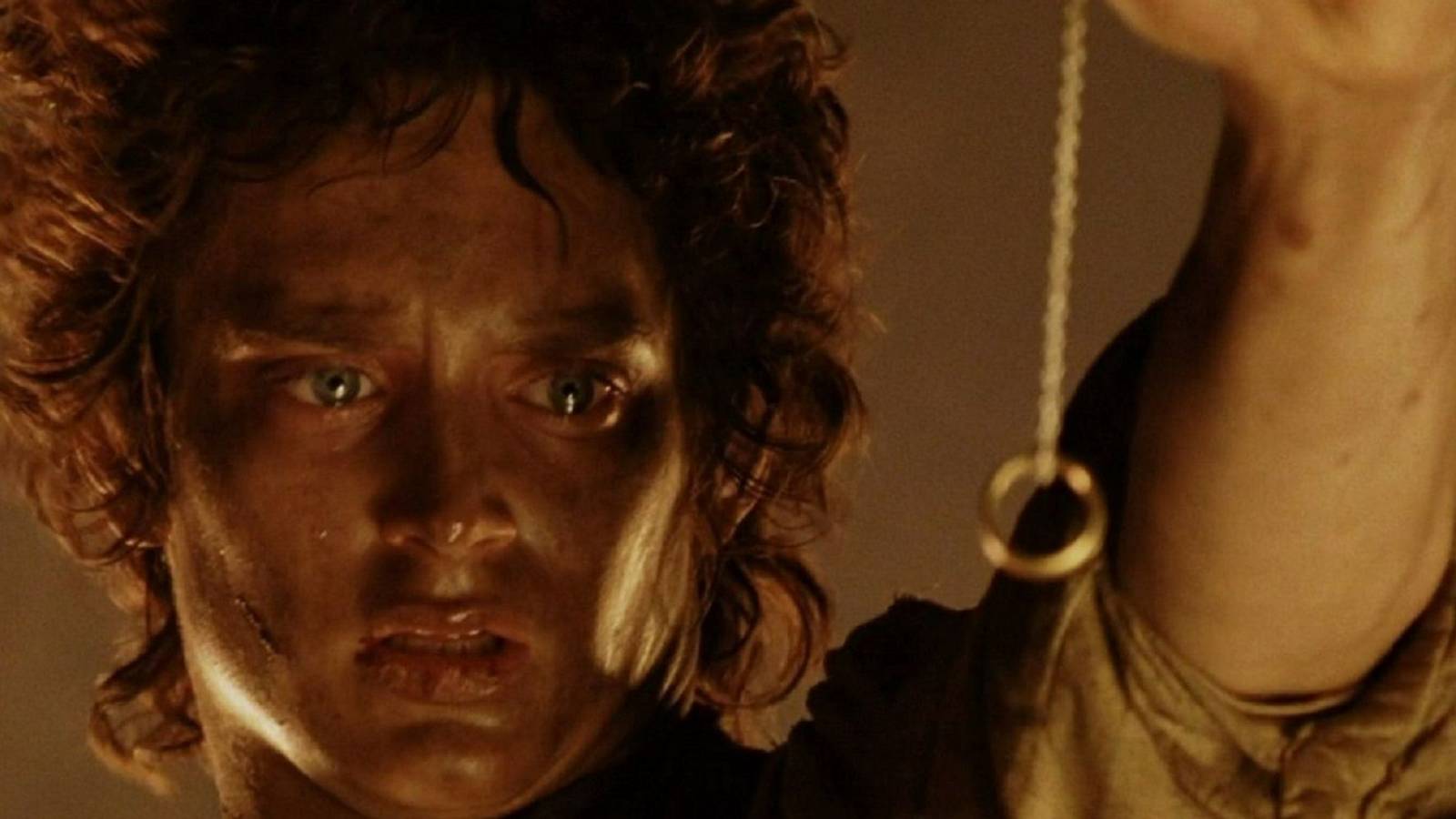
Frodo holding the One Ring in The Lord of the Rings: The Return of the King
There’s a point in The Lord of the Rings where Sam and Frodo accept a return to the Shire isn’t happening. The one-way nature of their quest slowly dawns upon them with each peril they face along the path to Mount Doom, and yet they keep pushing forward regardless.
There’s something hauntingly poetic about two hobbits knowingly walking toward death to save a world of strangers they know virtually nothing about. There’s a gravity to the fact that, deep down, everyone probably knew from the beginning that Frodo and Sam wouldn’t be coming back. In order to truly feel the weight of that sacrifice, however, at least one hobbit has to actually die.
The joy of the eagles swooping in to save Frodo and Sam takes us back to The Hobbit, where Bilbo’s quest was a “get in, get the gold, avoid the angry dragon, go home” type of deal. The Lord of the Rings‘ mission is far graver, and the clearest way to define that difference is Frodo laying down his life for Middle-earth.
The moment would be a powerful one. The allies are celebrating Sauron’s defeat near the Black Gate, delight in their hearts. A lone hobbit descends toward them from the hills – Samwise Gamgee. Slowly, the realization that only one of their friends survived hits the assembled heroes, turning cheers of victory into tears of grief. The Lord of the Rings is a war, and the bittersweet note of Frodo succeeding in death would serve his role as Middle-earth’s reluctant savior – the best of mortals.
Frodo isn’t a gallant king or a flashy wizard. He’s a normal hobbit torn from his comfortable life of crumpets and pipeweed to perform the deed no one else can and, ultimately, the Ring beats him at the very end. Frodo’s story is undeniably a tragedy, and to end in death would have cemented his status as one of literature’s greatest tragic protagonists. Frodo’s survival and eventual happy(ish) ending hinder that.
What About The Eagles & The Scouring Of The Shire?
An image of the Shire burning in The Lord of the Rings.
Frodo dying necessitates some changes to The Lord of the Rings‘ ending. Firstly, the eagles become largely moot, since it’s more plausible that Sam could slowly clamber to safety alone if he doesn’t need to carry the beleaguered Frodo. Decades of “why didn’t they fly the eagles to Mordor?” never happens, and everyone’s delighted.
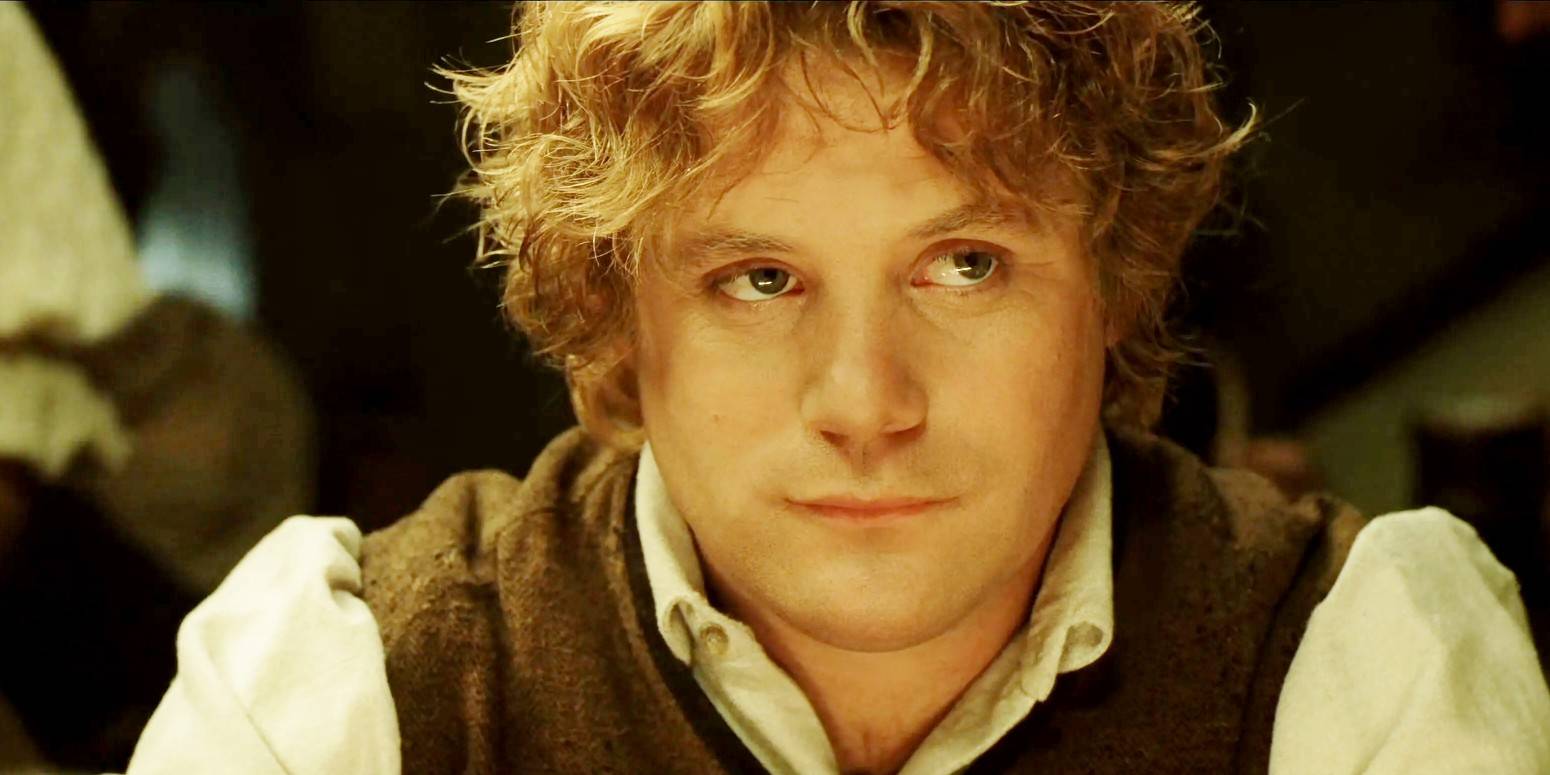
The Scouring of the Shire can still take place, and actually becomes more meaningful in the aftermath of Frodo’s demise. Sam, Merry, and Pippin return to the Shire and find it cannibalized by Saruman. Retaking control becomes not just a necessity, but a way of honoring Frodo’s memory. The three hobbits would secure Frodo’s everlasting presence by ensuring their fallen friend’s beloved home stays exactly the way he would remember it.
The Scouring becomes the three surviving hobbits’ way of bringing Frodo’s courageous spirit into the quiet reserve of the Shire, giving him a legacy far greater than any big red book could manage.
Why Frodo’s Survival Makes Sense In The Wider Context Of Tolkien’s World
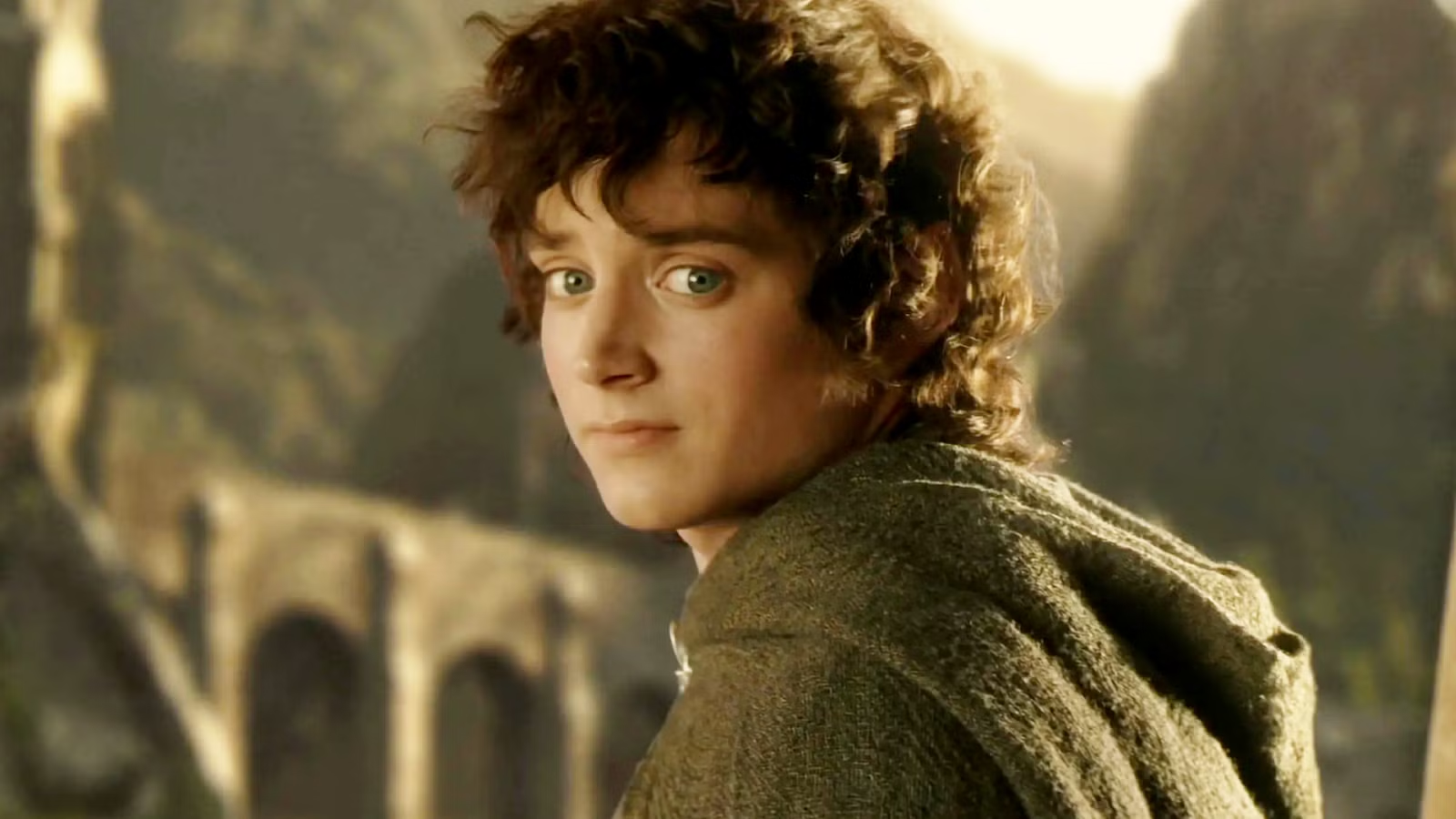
Elijah Wood as Frodo just wanting to go home in Lord of the Rings
While Frodo’s death may have been a powerful and poignant ending for The Lord of the Rings, it’s hard to be critical of the decision to keep him alive.
J.R.R. Tolkien served during the First World War, and those experiences inform various elements of Frodo’s journey. The notion of returning from Mordor alive, but forever physically and mentally altered by his battles, mirrors the many soldiers who returned to England following harrowing experiences on the frontlines of war, Tolkien himself among them. By giving Frodo the lifeline of Valinor, The Lord of the Rings provides a beacon of hope for those carrying scars of war, and the beauty of that message deserves to be left intact.
Speaking of Valinor, it’s possible that Frodo’s road, dead or alive, always led into the west. The Valar have occasionally bent their rules for special mortals. Beren was resurrected at Lúthien’s request, Tuor was permitted entry to Valinor and granted immortality, and the likes of Bilbo, Gimli, and Samwise all strolled through the gates unopposed. We also know Eru Ilúvatar was involved in the Mount Doom incident, as Tolkien confirmed it was Eru who made Gollum trip into the fires. The eagles who rescued Frodo and Sam, meanwhile, were representatives of Manwë.
It’s not out of the question that the Valar would never have let Frodo really die, and in return for bringing down Sauron, his existence would have been allowed to continue in the Undying Lands. If Frodo was destined for Valinor, dead or alive, The Lord of the Rings was right not to slay the hobbit. Had Frodo sacrificed himself, waking up on the other side of the ocean would have negated the weight of his death. Gradually realizing he could no longer stay in the mortal realm and making a conscious decision to leave was truer to Frodo’s character.







0 Comments