Has the so called Great Reset finally begun,for most Americans?
The Great Reset: Why American Consumers Are Getting Thrifty Again and What It Means for Retail
Remember the wild spending days during the pandemic? Folks snapped up home gadgets and fancy clothes like there was no tomorrow. Now, that vibe has flipped. People hunt for deals and skip impulse buys. Thrifty today means smart choices—picking value over flash, not just grabbing the cheapest option.
This change comes from tough economic hits and fresh ways of thinking. Inflation squeezes wallets, debts pile up, and many rethink what they really need. We’ll cover the big forces: rising costs, fear of hard times, and a push for lasting value. Plus, how stores fight back. Stick around to see why this thrift boom sticks and what it spells for shopping ahead.
Section 1: Inflation’s Iron Grip: Eroding Purchasing Power
Inflation has hit hard. It eats into what you can buy with your paycheck. Everyday items cost more, so fun extras take a back seat.
The Unrelenting Cost of Essentials
Groceries jumped 25% since 2020. That’s per the latest Consumer Price Index report. Food at home rose faster than eating out—think eggs and bread, not restaurant meals. Housing rents climbed 20% in big cities. Energy bills? Up 30% last year alone. These basics drain cash, leaving little for clothes or gadgets. Families cut back on trips or nights out. Real wages fell 2.5% in 2023, says the Bureau of Labor Statistics. You feel poorer even if your job pays the same.
The End of “Free Money”: Interest Rates and Debt Servicing
Low rates once made borrowing easy. Now, the Fed hiked them to fight inflation. Credit card rates top 20%. Auto loans average 7%. Mortgages? Over 7% for 30 years. Monthly payments balloon. A $30,000 car loan now costs $100 more each month. That extra goes to banks, not your savings. Folks delay big buys like cars or homes. One family I know skipped a kitchen redo—their mortgage jumped $300. Debt service hit 10% of disposable income, the highest since 2008.
Trading Down: The Ascent of Private Labels and Discount Retailers
Shoppers ditch big names for store brands. Kirkland at Costco saves 30% on coffee. Great Value at Walmart cuts cereal costs in half. Quality matches now—blind taste tests show little difference. Private labels grabbed 20% market share last year. Discount chains like Aldi and Dollar General see sales up 15%. You save without skimping. Audit your pantry: Swap name-brand pasta for the house one. Check labels—many use the same factories. It’s an easy win for your budget.
Section 2: The Legacy of Uncertainty: Psychological Drivers of Caution
Money fears linger from the pandemic. They shape how you spend. Caution rules over splurges.
Recession Fears and Precautionary Saving
Bad news fills the air—layoffs, stock dips. You stash cash just in case. Savings rates hit 4.5% recently, up from 3%. It’s not extra income; it’s worry. Behavioral expert Daniel Kahneman notes this “precautionary motive” in tough times. People build buffers against job loss. One survey shows 40% of Americans fear recession most. You might skip that new phone. Instead, add to your emergency fund. It feels safer that way.
Re-evaluating Materialism: The Post-Pandemic Value Shift
Lockdowns sparked deep thoughts. Do I need more stuff? Many say no. Focus turned to joy from hikes or family time, not gadgets. Home goods sales peaked in 2021—furniture up 50%. Now, travel books 20% more, but cheap getaways. Affordable luxuries like coffee shop treats replace big hauls. Experiences beat things. Why chase trends when a good book lasts? This shift saves money and cuts clutter.
Digital Scrutiny: Hyper-Awareness of Price Fluctuations
Apps like Honey or CamelCamelCamel track deals. You see if that TV dipped last week. No more paying full price blindly. Browser tools alert on hikes. Shoppers check history before buying—60% do, per a Pew study. It makes you picky. Prices fluctuate? You wait for drops. This savvy cuts waste. Ever bought something then saw it cheaper? Not anymore.
Section 3: The Rise of the Thrifty Ecosystem: New Avenues for Saving
New tools help you save smart. From swaps to fixes, options abound. Thrift feels fresh and fun.
Secondhand Economy Boom: Resale, Rental, and Repair
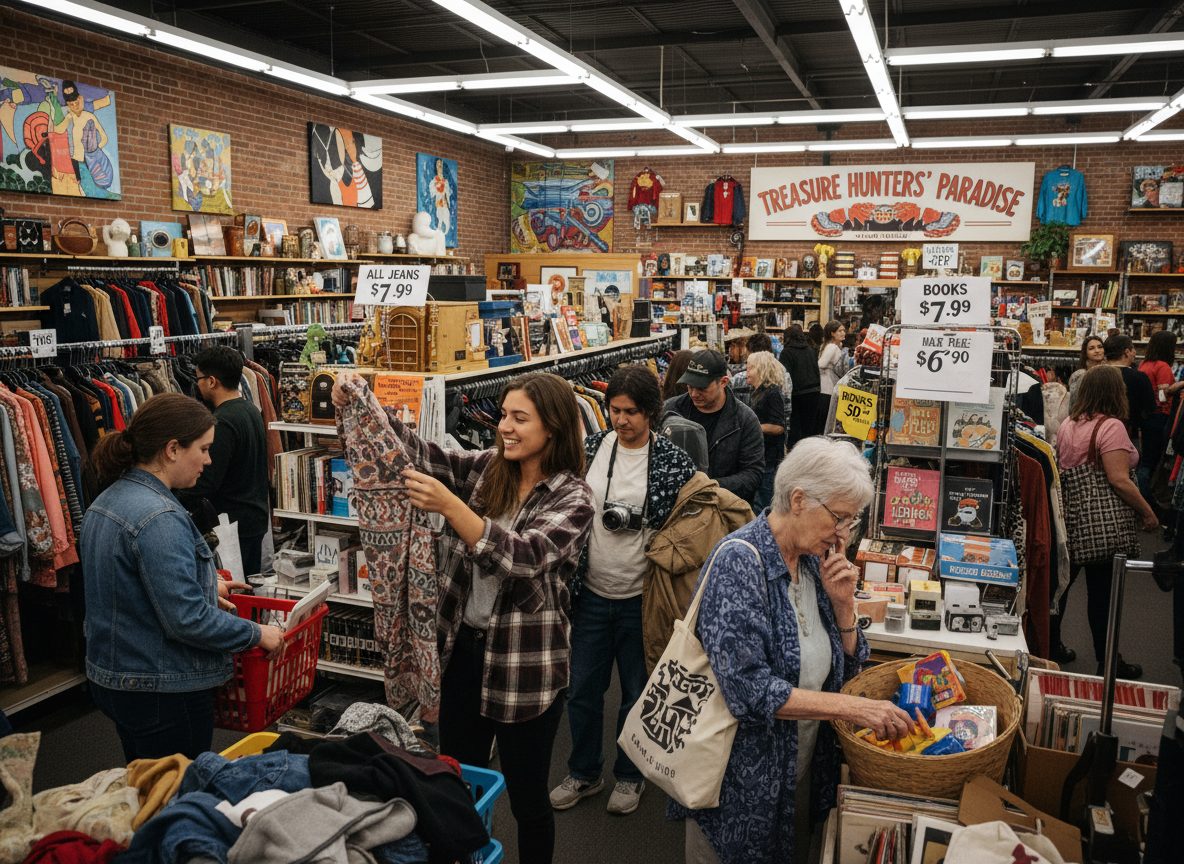
Platforms explode. ThredUp grew 50% in 2023. Poshmark sales hit $2 billion. Resale fashion market? $177 billion by 2025, says ThredUp. It’s sustainable—reuse cuts waste. Rent clothes for events via Rent the Runway. Fix old jeans at local shops. High-end bags trade hands for half price. You get quality without new costs. Try selling unused gear on Facebook Marketplace. It clears space and pads your wallet.
List items you own but forget.
Snap photos with good light.
Price 30-50% below retail.
Subscription Fatigue and Consolidation
Too many subs drain cash. Netflix, Spotify, meal kits—average home has 5. Costs add $50 monthly. Now, folks prune. 40% canceled one last year, per Deloitte. Evaluate ROI: Do you use it weekly? Share with family to split fees. Framework: Track usage for a month. If under 10 hours, drop it. Swap for free library options. It’s reclaiming control.
The Return of DIY and Home Maintenance
Services cost a fortune—labor up 15% from shortages. So, you do it yourself. Home cooking saves 50% over takeout. Try at-home haircuts or nail kits. Minor fixes like patching walls? YouTube guides make it simple. Resurgence ties to inflation—why pay $100 for a plumber? Bake bread weekly. It’s cheaper and tastier. One tip: Start small, like mixing your own cleaners. Builds skills and savings.
Section 4: Industry Response: How Retailers are Adapting to the Frugal Consumer
Stores notice the shift. They tweak plans to keep you coming. Smart moves win loyal fans.
Inventory Management: Avoiding Markdown Traps
No more overstock piles. Retailers order less upfront—inventory down 10% this year. It cuts deep discounts at season’s end. You might wait for restocks, but prices stay firm. Target and Walmart lead this. It boosts profits without losing you. Lean stock means fresh picks, not dusty sales bins.
The Primacy of Loyalty Programs and Personalized Deals
Blanket sales fade. Now, apps send you custom coupons. Use your buy history for targeted perks. Starbucks rewards your favorites with free upsizes. Retail analyst Sucharita Kodali says first-party data drives this—80% of deals now personal. It feels special, not cheap. Join programs; they pay off quick. Scan receipts to stack points.
Focusing on Durability Over Trend (Investment Pieces)
Trends lose steam. Brands push long-life items. Patagonia offers repairs for life. Appliance makers like Whirlpool stress energy savings over flash. You buy once, own forever. It lowers total cost—shoes that last two years beat cheap pairs. Consumers seek this; 55% prefer durable, per Nielsen. Look for warranties. It matches your thrifty mindset.
Conclusion: The New American Consumer Baseline
Inflation shocks, economic fears, and value changes fuel this thrift wave. You optimize every dollar now. It’s not temporary—habits stick as budgets tighten.
Key takeaways: Track essentials first. Swap brands wisely. Embrace secondhand and DIY. This baseline shapes lasting skills.
Sustained thrift could slow growth but spark smart innovation. Expect durable goods and fair prices ahead. Ready to join? Start with one small swap today. Your wallet will thank you.
Need a affordable way of enjoying entertainment,that simply doesnt break the bank,then discover what WowzaTV.network can offer you today!











0 Comments