Has the Golden Age of Hollywood Ended? What Comes Next for Cinema?
Has the Golden Age of Hollywood Ended? What Comes Next for Cinema
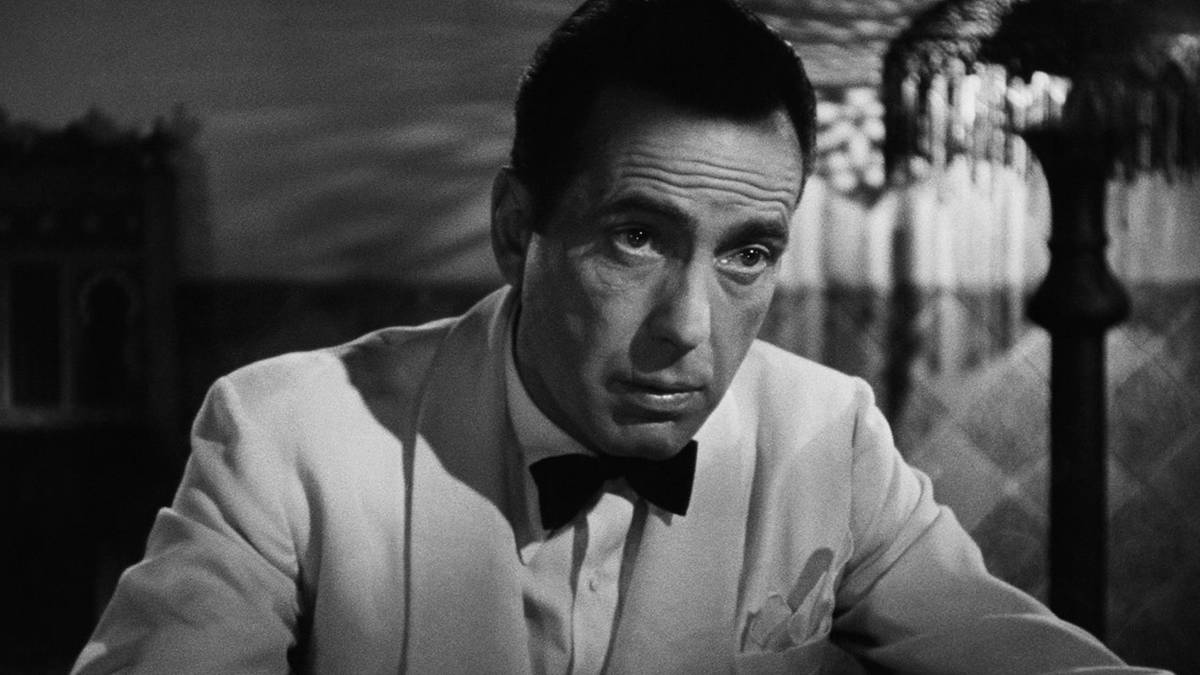
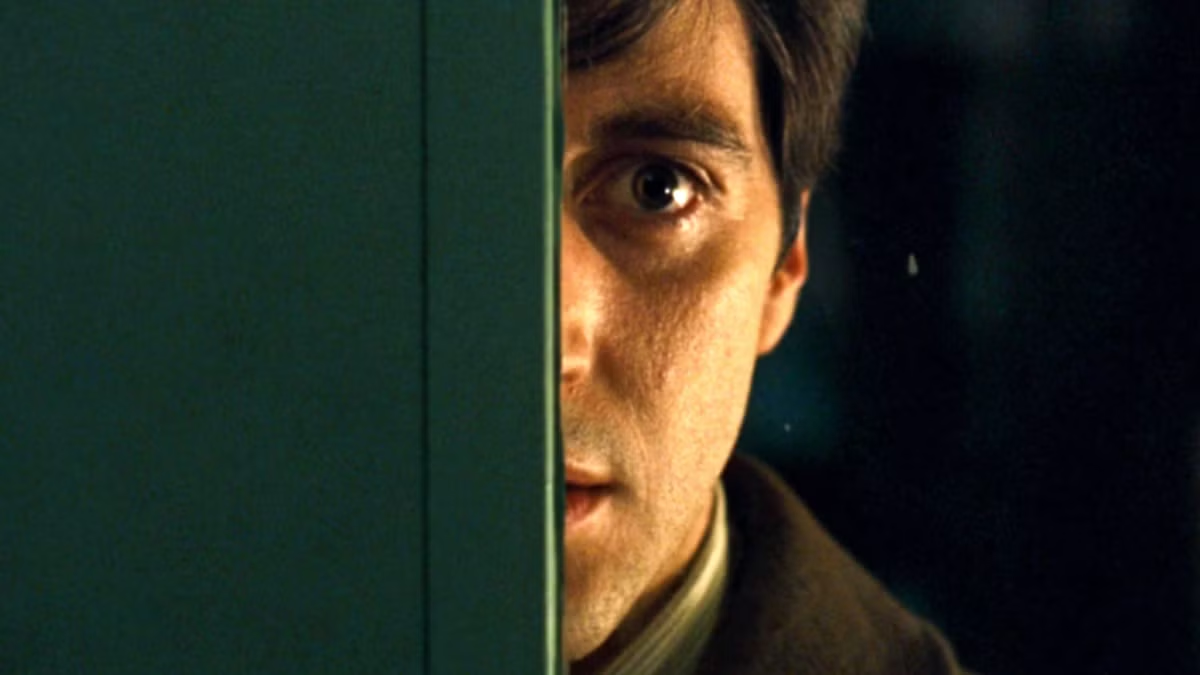
Picture this: back in the 1930s to 1960s, Hollywood churned out icons like Casablanca and The Godfather. Stars shone on big screens that drew crowds to shared dreams. Now, blockbuster overload and endless streaming queues leave many feeling empty. You flip through Netflix, but nothing hits like those old classics.
The golden age of Hollywood feels gone, yet movies aren’t dead. They’re splitting into new paths thanks to tech changes, how we watch, and money woes. This piece looks at signs of that shift and guesses where film heads next.
Defining the ‘End’ – Why Audiences Mourn the Classic Era
The Economics of Spectacle Over Substance
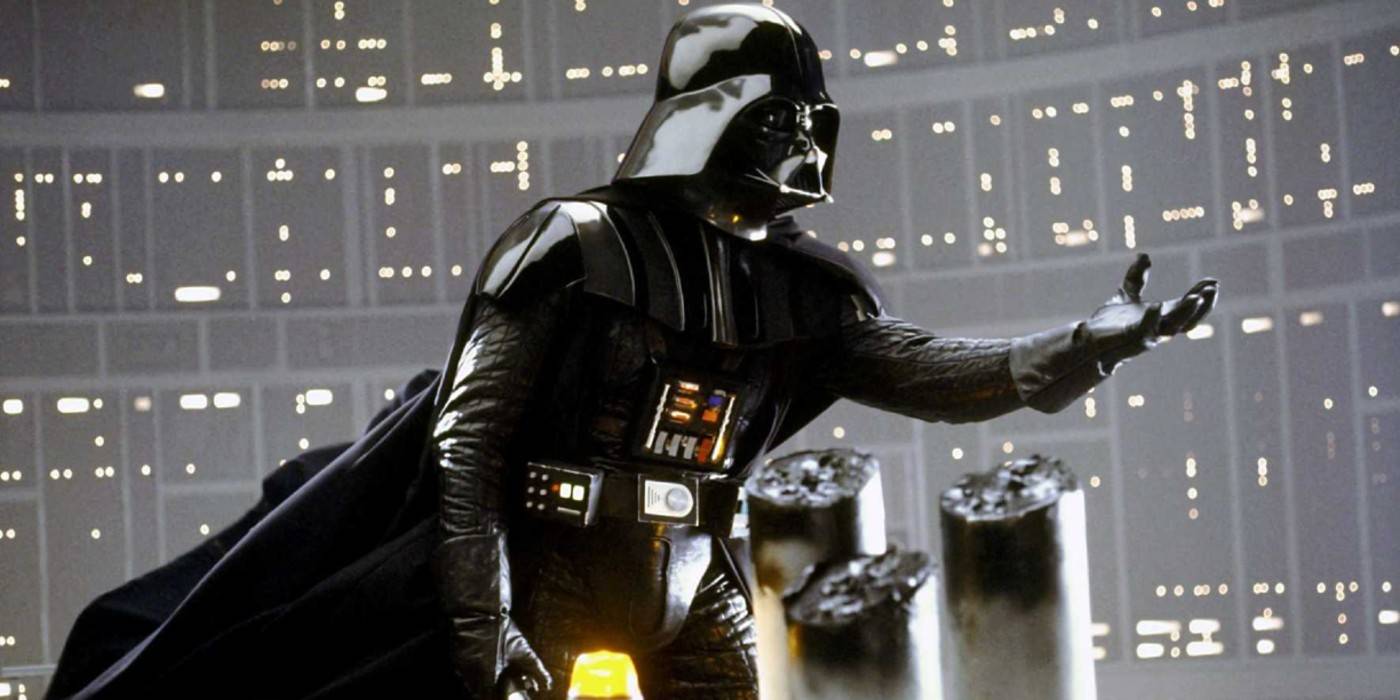
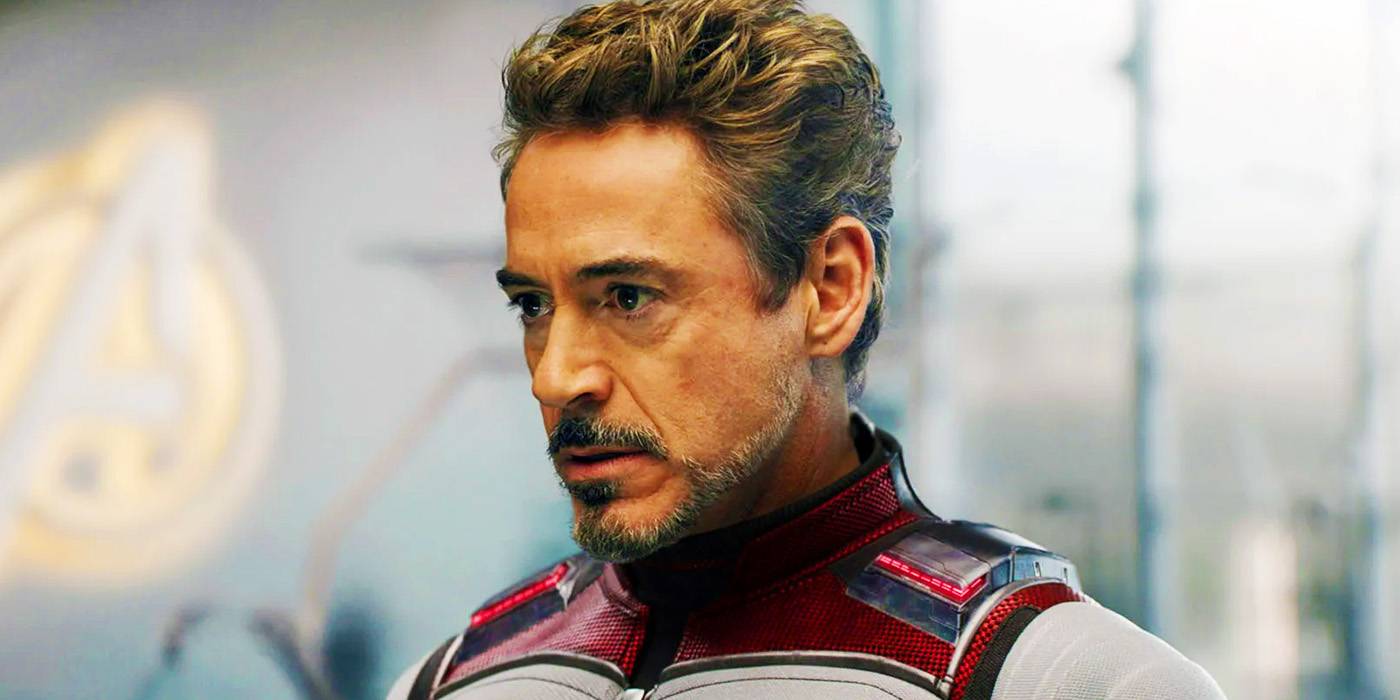
Studios pour billions into safe bets like sequels from big IPs. Think Marvel’s endless Avengers or Star Wars reboots. These eat up budgets that once funded fresh stories for grown-ups. Last year, four tentpole films grabbed over 60% of box office cash, per Box Office Mojo stats. Original dramas? They scrape by on video-on-demand sales.
This focus starves mid-tier movies. A film like 2023’s Past Lives earned praise but only $8 million at theaters. Compare that to Spider-Man: No Way Home’s $800 million haul. Money talks, and it yells for franchises.
Fans miss the risk-taking days when studios backed bold ideas without a built-in fan base.
The Impact of Streaming Decentralization
Streaming giants like Netflix and Amazon flip the script on old Hollywood ways. They skip long theater runs for quick home drops. Talent flocks there for bigger paydays and freedom. A 1970s hit like Jaws waited months for TV; now, a Netflix show like Squid Game blows up worldwide overnight.
Apple TV+ bets on stars like in Ted Lasso, pulling directors from studio lots. This splits the audience. Theaters lose that exclusive buzz. A24’s Everything Everywhere All at Once mixed indie flair with limited release, but streaming often buries gems in algorithms.
The old studio machine crumbles as creators chase flexible deals elsewhere.
The Erosion of the Shared Cinematic Experience
Remember when everyone talked about the latest blockbuster at school or work? That water-cooler magic fades with platform splits. You might binge The Crown on Netflix while your friend sticks to Disney+ Star Wars. Only massive crossovers like Avengers: Endgame spark broad chats now.
Social media amplifies niches, not unity. TikTok clips go viral for one scene, not whole films. This fragments culture into bubbles. We lose those big moments that bonded generations.
Yet, this opens doors for diverse voices to shine without needing mass appeal.
The Content Crisis – Intellectual Property Saturation
Franchise Fatigue and the IP Treadmill
Superhero flicks and sequels flood screens, but audiences yawn. After 20+ MCU entries, even fans admit fatigue sets in. These films rake in cash—$2.5 billion for the franchise last year alone—but originality dips. Critics like those at Variety point to “diminishing returns” as viewers skip repeats.
Studios chase the next big IP, remaking old hits or expanding universes. It’s a treadmill: make money short-term, but burn out long-term. Why risk a new tale when Batman reboots guarantee crowds?
This cycle chokes fresh ideas, leaving Hollywood in a creative rut.
The Death of the Mid-Budget Movie
Studios face a tough choice: drop $150 million on CGI beasts or $25 million on quiet dramas? The latter often lands on streaming later, with tiny theater pushes. Films like The Whale (2022) cost under $4 million but found life on Hulu after a short run.
Data from the Motion Picture Association shows non-franchise films hold just 20% of U.S. market share now, down from 50% in the 1990s. Investors demand hits, so bold scripts gather dust.
This gap hurts storytelling depth. We get flash over heart.
The Rise of Global Storytelling
Hollywood’s IP mess leaves room for stories from abroad. South Korea’s Parasite won Oscars in 2020, proving non-English films pack punches. Spain’s Money Heist hooked millions on Netflix, blending thrills with fresh takes.
These imports offer what U.S. studios skip: raw, original plots without capes. Box office for foreign films jumped 25% in 2023, says the Hollywood Reporter. Viewers crave that edge.
Global hits push Hollywood to borrow ideas or partner up, shaking the old guard.
The Technological Pivot – New Venues for Storytelling
IMAX, 3D, and Premium Large Formats (PLF) as the New ‘Event’
Theaters fight back with tech to lure you out. IMAX screens blast visuals in ways home TVs can’t match. Films like Dune (2021) shine in PLF, driving 40% of ticket sales for big releases, per IMAX reports.
Forget plot alone; it’s the spectacle that sells seats. Top Gun: Maverick used crisp 4DX effects to pull crowds. This turns movies into events again.
For the best experience, hunt PLF showings at chains like AMC or Regal. Pair it with good sound—your wallet and eyes will thank you.
Virtual Production and AI: Changing How Films Are Made
Tools like The Volume from The Mandalorian let directors build worlds on sets with LED walls. No more waiting for weather or travel. This cuts costs and speeds shoots.
AI steps in for VFX, generating backgrounds or even rough scripts. Studios save millions, but it raises questions on jobs and soul. A film like 2024’s The Creator used AI for crowd scenes, blending human touch with machine help.
These shifts make movies faster and cheaper, opening doors for more voices.
Interactive and Immersive Media as Cinematic Successors
Games steal cinema’s thunder with deep dives into stories. The Last of Us series turned into a hit HBO show, but its game roots let players choose paths. Unreal Engine crafts worlds you explore, not just watch.
AR and VR headsets like Oculus offer first-person tales. Imagine walking through a film’s set via app. This pulls in younger crowds who want control.
Cinema adapts or loses ground to these hands-on formats.
The Next Generation of Filmmaking Talent and Aesthetics
The A24 Effect: Championing Originality Over Scale
Indies like A24 prove small can win big. Hereditary scared up buzz with smart scares, no superheroes needed. They focus on director visions, earning loyal fans.
Audiences flock to these for real emotion. Midsommar’s slow-burn horror topped charts without franchise ties. A24’s model shows profit in passion projects.
This wave revives the spirit of old Hollywood risks, just on a leaner scale.
The Return to Practicality and Tangibility
Some directors ditch green screens for real sets. Christopher Nolan shoots on film for Tenet, capturing grit you feel. Paul Thomas Anderson builds streets for Licorice Pizza, adding warmth.
After CGI overload, viewers want touchable magic. Practical effects in Nope (2022) grounded Jordan Peele’s scares. This pushback restores film’s raw power.
Filmmakers lead the charge, pulling us back to basics.
Diversification Behind the Camera
More women and people of color helm projects now. Directors like Greta Gerwig craft Barbie’s fun twists, while Ryan Coogler amps Black Panther’s depth. Writers bring fresh angles, like in Minari’s family tale.
This mix sparks new stories—queer romances in Promising Young Woman or immigrant lives in Nomadland. Representation builds empathy, breaking old molds.
Diverse teams mean cinema mirrors real life better.
Conclusion: Beyond the End – Crafting the Post-Golden Age Future
The golden age of Hollywood’s big cultural hits has faded. Now, we see niche wins across platforms, from TikTok virals to indie fests.
Cinema splits into two lanes: flashy blockbusters with tech wow or indie gems with heart. That middle space shrinks, forcing choices.
Innovation lives on, just scattered. Seek it in theaters, streams, or games. What film will you chase next? Dive in— the next era waits for bold viewers like you.
Discover WowzaTV.network and enjoy our daily free movie selection and visit our shop for amazing small business opportunities.





0 Comments