FantasyTV shows thrive on imagination, and while compelling stories and unforgettable characters are crucial, it’s the setting that often lingers in the mind long after the credits roll. A strong worldbuilding foundation elevates everything else around it, and without a captivating setting, even the most ambitious fantasy series risks feeling flat or forgettable.
The magic of masterpiece fantasy TV show settings is that they take many different forms. Some hide just out of sight in our own world, while others sprawl across entirely new realms with languages, politics, and mythologies all their own. No matter their shape or size, the best settings become synonymous with the shows themselves, creating the kind of immersive backdrops that spark endless fascination and fandom.
The settings of the greatest fantasy TV shows don’t just frame their stories, but often outshine them. These worlds have a life beyond their characters, proving that in fantasy, the backdrop can be just as iconic as the tale unfolding within it.
Dinotopia (2002-2003)
A Hidden Island Where Humans And Dinosaurs Coexist In Harmony
Dinotopia’s premise alone sets it apart from other fantasy TV shows. A secret island where humans live side-by-side with intelligent dinosaurs, it feels like a forgotten dreamscape lifted from a childhood storybook. The mix of prehistoric life and utopian ideals creates a one-of-a-kind setting that blends wonder with intrigue.
Above all else, Dinotopia stands out for the depth of worldbuilding. Cities built for both humans and dinosaurs, a written language carved in stone, and rituals that bind species together all bring the island to life. The society is fully realized, and the balance between the natural and civilized worlds makes the environment feel like a true paradise.
Though short-lived, Dinotopia remains an unforgettable classic fantasy because of how much its setting defines its story. Every conflict and adventure ties back to the coexistence between humans and dinosaurs, proving that even a brief series can leave a lasting impression through its imaginative world.
Once Upon A Time (2011-2018)
A Fairytale Kingdom Hidden Inside A Cursed Small Town
Once Upon A Time redefined how fairytales could be adapted for television. The show’s genius lies in Storybrooke, a seemingly normal Maine town that is secretly home to dozens of classic fairytale characters. This blend of the ordinary and the magical created one of the most unique settings of the 2010s.
What made Storybrooke memorable is the way it constantly shifted between two worlds. The town’s cursed reality contrasted with flashbacks to enchanted kingdoms, allowing the series to weave familiar stories into a fresh narrative tapestry. This dual setting gave the show an identity beyond simple fairytale retelling.
At its core, Once Upon A Time is a story about characters rediscovering their true selves. However, it’s the magic of Storybrooke – where Snow White (Ginnifer Goodwin), Rumplestiltskin (Robert Carlyle), and countless others walk among modern diners and classrooms – that makes it a standout fantasy TV location.
Sweet Tooth (2021-2024)
A Post-Apocalyptic World Transformed By Hybrid Children
Sweet Tooth offers a rare fantasy TV setting: one born out of the apocalypse – referred to in the show as The Great Crumble – yet filled with hope. Its world, devastated by a deadly virus, is reshaped by the birth of hybrid children – part human, part animal – who become symbols of both fear and wonder. This creates a hauntingly beautiful landscape unlike any other.
What sets the show’s setting apart is the juxtaposition of ruin and rebirth. Crumbling cities and abandoned highways clash with lush wilderness reclaiming the land, symbolizing humanity’s decline and nature’s resurgence. The hybrids’ presence forces society to reevaluate survival, morality, and coexistence in this strange new order.
Through Gus (Christian Convery) and his journey across America, the setting feels alive, constantly shifting between danger and discovery. Sweet Tooth’s world isn’t just the backdrop to its story – it is the story, a vision of what humanity leaves behind when nature takes the reins.
The Sandman (2022-2025)
A Surreal Universe Shaped By Dreams And Endless Realms
The Sandman stands apart thanks to its bold, surreal worldbuilding. While it occasionally dips into the mortal world, the series’ heart lies in The Dreaming – the fantastical domain ruled by Dream (Tom Sturridge). Here, imagination itself takes form, making it one of the most creative fantasy TV landscapes ever realized.
The Dreaming is unlike any other fantasy setting. Castles shift shape, nightmares lurk in shadows, and entire worlds are born from subconscious thought. Beyond that, The Sandman’s setting expands into realms ruled by other Endless beings, each with its own symbolic flavor, from Desire’s shimmering fortress to Hell’s infernal sprawl.
What makes this world so striking is how fluid and unpredictable it feels. Unlike traditional fantasy kingdoms, The Dreaming exists as a reflection of human imagination, always evolving. It’s a setting that proves fantasy doesn’t have to obey the laws of geography – it can stretch as far as the mind allows.
Kaos (2024)
A Modern Reimagining Of Greek Mythology’s Divine World
One of the most perplexing Netflix cancellations of all time, Kaos delivers a refreshing spin on Greek mythology by updating its setting for a darkly satirical and contemporary fantasy series. Instead of ancient marble temples, the show envisions a modernized Olympian world where gods operate like dysfunctional power brokers. This reinvention makes the familiar mythological backdrop feel new again.
The series thrives on its clever contrasts. Zeus (Jeff Goldblum) isn’t perched on a lofty throne but presides over a fractured, corporate-like Olympus. The mortal world feels just as important, highlighting how divine meddling continues to shape humanity in unexpected and often humorous ways.
By breaking away from classical depictions, Kaos carves out a setting that bridges ancient storytelling with modern commentary. The gods remain immortal, but their world reflects the absurdities of contemporary power structures, making Olympus as timely as it is timeless.
Shadow And Bone (2021-2023)
A Fantasy Realm Defined By A Deadly Rift Of Darkness
Shadow and Bone’s Ravka, part of the Grishaverse, is one of modern fantasy’s most compelling settings. At the heart of its world lies the Shadow Fold – a swath of impenetrable darkness crawling with monsters. This dangerous divide shapes politics, warfare, and survival, giving the setting a tension that permeates every story thread.
What makes Ravka stand out is its inspiration from Russian and Eastern European history. The military uniforms, folklore-inspired creatures, and cultural details give it a unique flavor compared to the genre’s usual medieval-Western trappings. The Grisha, with their system of magical powers, add another layer of richness.
Every aspect of Ravka is tied to the Shadow Fold’s existence, from the desperation of those who cross it to the hope of those who dream of destroying it. This singular element ensures the world of Shadow and Bonefeels perilous yet captivating, securing its place among the best fantasy TV settings.
Wednesday (2022-Present)
A Gothic Boarding School Where Monsters And Misfits Thrive
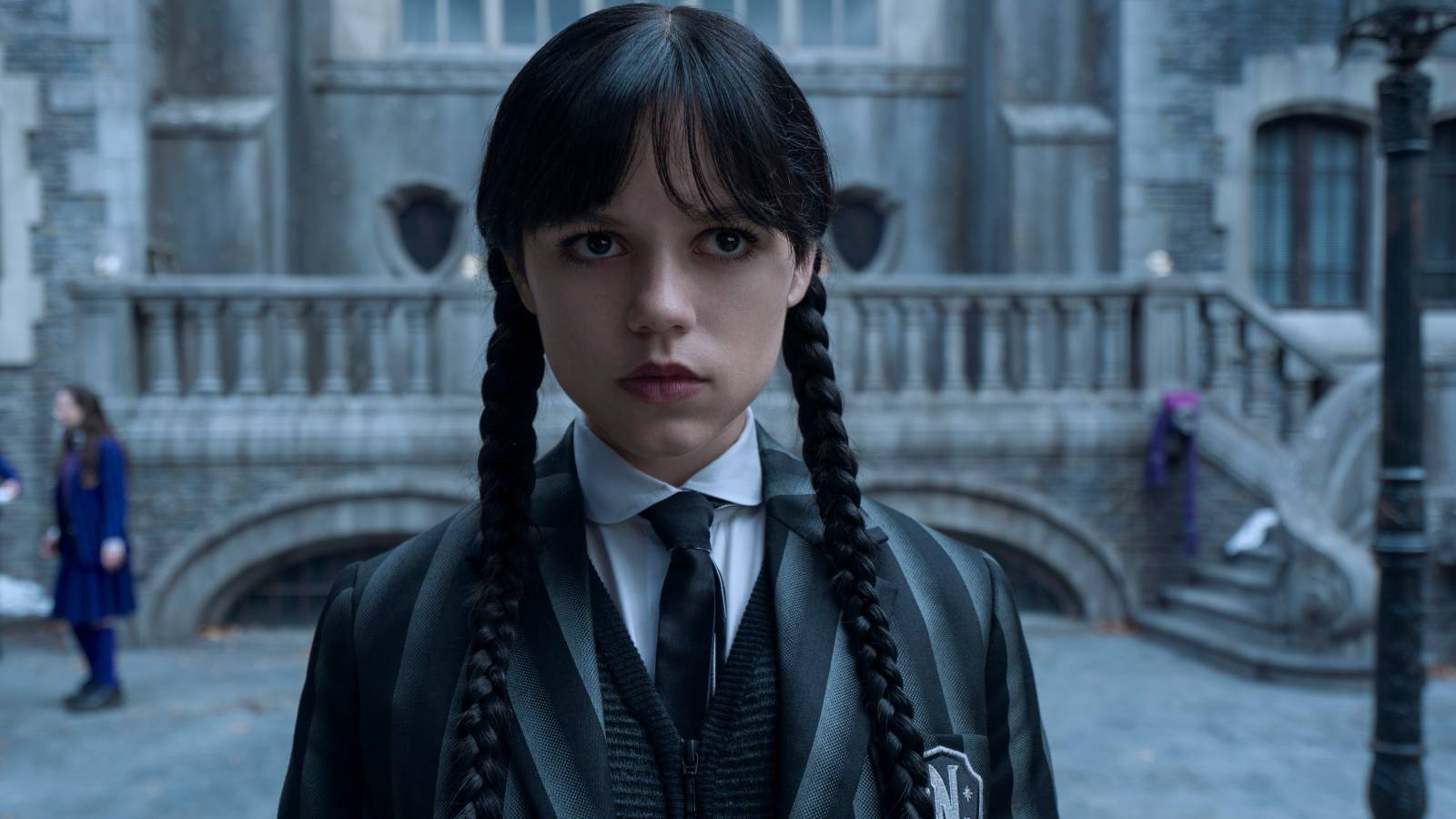
Wednesday’s Nevermore Academy is a setting steeped in atmosphere. Gothic towers, shadowy woods, and secret passageways define the school where Wednesday Addams (Jenna Ortega) discovers her place among other outcasts. The location feels both eerie and inviting, a perfect balance for a show steeped in macabre humor and dark mystery.
Nevermore thrives on its contrasts. While it resembles a traditional elite boarding school, its students include werewolves, sirens, and seers. This twist on a familiar trope makes the academy feel like its own character, constantly shifting as new secrets unravel.
More than just a backdrop, Nevermore reflects Wednesday’s internal journey. It’s a world where outsiders aren’t only accepted – they’re celebrated, albeit in a sinister, unpredictable way. This combination of gothic design and supernatural diversity makes the setting one of modern fantasy television’s most memorable creations.
Avatar: The Last Airbender (2005-2008)
A World Divided By Elemental Nations And Spiritual Balance
Avatar: The Last Airbender’s setting remains one of the most fully realized in television history. Its world is divided into four nations, each tied to an element – water, earth, fire, and air. This elemental division informs not just combat but culture, politics, and spirituality, making the world feel incredibly lived-in.
What makes the setting of The Last Airbender (and sequel-series The Legend of Korra) remarkable is how deeply it integrates Eastern philosophy and martial arts traditions. The architecture, clothing, and bending styles are inspired by real-world cultures, giving the show a sense of authenticity rarely seen in fantasy. The Spirit World adds another dimension, blending the mystical with the everyday.
Every storyline flows naturally from this backdrop, from Aang’s (Zach Tyler Eisen) journey to the Fire Nation’s imperial ambitions. The setting of The Last Airbender isn’t just painted on – it’s woven into every moment of the story, making it one of the most iconic fantasy worlds ever built for television.
Arcane (2021-2024)
A City Split Between Opulence And Oppression
Arcane’s Piltover and Zaun create a setting that feels both fantastical and brutally real. The city is split in two: Piltover thrives on technological progress and wealth, while Zaun festers in poverty and exploitation. This duality gives the world an immediacy and emotional weight few fantasy shows achieve.
The design of the city is breathtaking. Piltover’s gleaming towers and ornate bridges contrast sharply with Zaun’s toxic smog and neon-lit undercity. The setting mirrors the show’s central conflicts, where progress and innovation often come at devastating human costs.
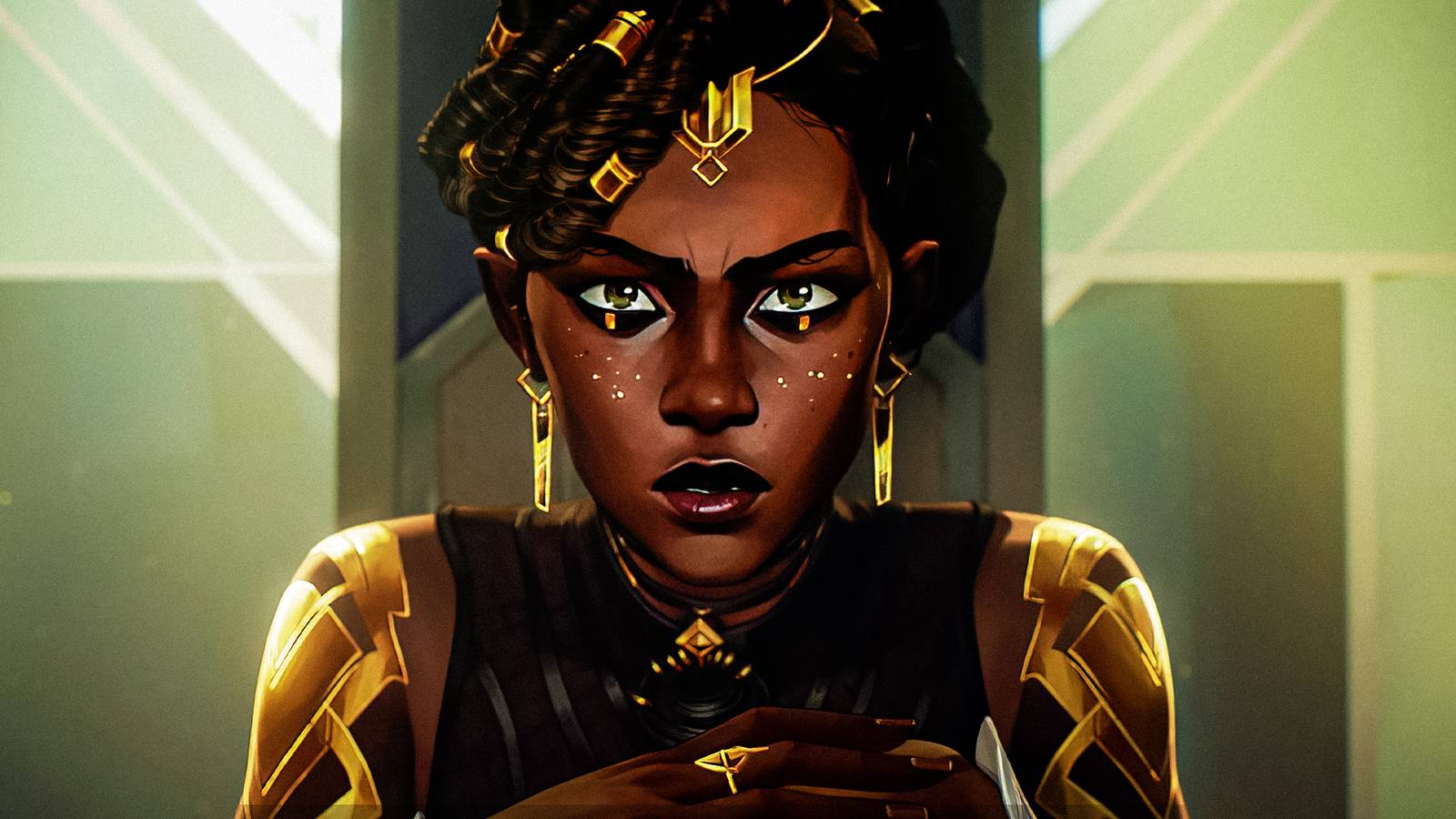
Characters like Jinx (Ella Purnell) and Vi (Hailee Steinfeld) embody this clash of worlds, showing how environment shapes identity. Arcane’s setting stands out because it’s not static – it evolves with its story, capturing the complexities of industrialization, inequality, and rebellion within a fantasy lens.
Game Of Thrones (2011-2019)
A Sprawling Continent Where Politics And Fantasy Collide
No fantasy TV setting looms larger than Westeros. Game of Thrones’ sprawling continent is a masterclass in worldbuilding, blending medieval realism with high fantasy. From the frozen Wall in the North to the sun-soaked lands of Dorne, every corner feels distinct, layered, and alive with history.
What made Westeros unforgettable is the way it tied geography to politics. Each region’s culture, economy, and alliances shaped the struggles for power, giving the series a sense of depth rarely matched in television. The world felt bigger than its characters, as though life continued even when the camera wasn’t rolling.
Dragons, White Walkers, and ancient prophecies may have defined the fantasy, but it was the setting itself that bound it all together. Westeros wasn’t just a backdrop – it was the ultimate player in the game, cementing Game of Thrones as the gold standard for fantasy television.





0 Comments