

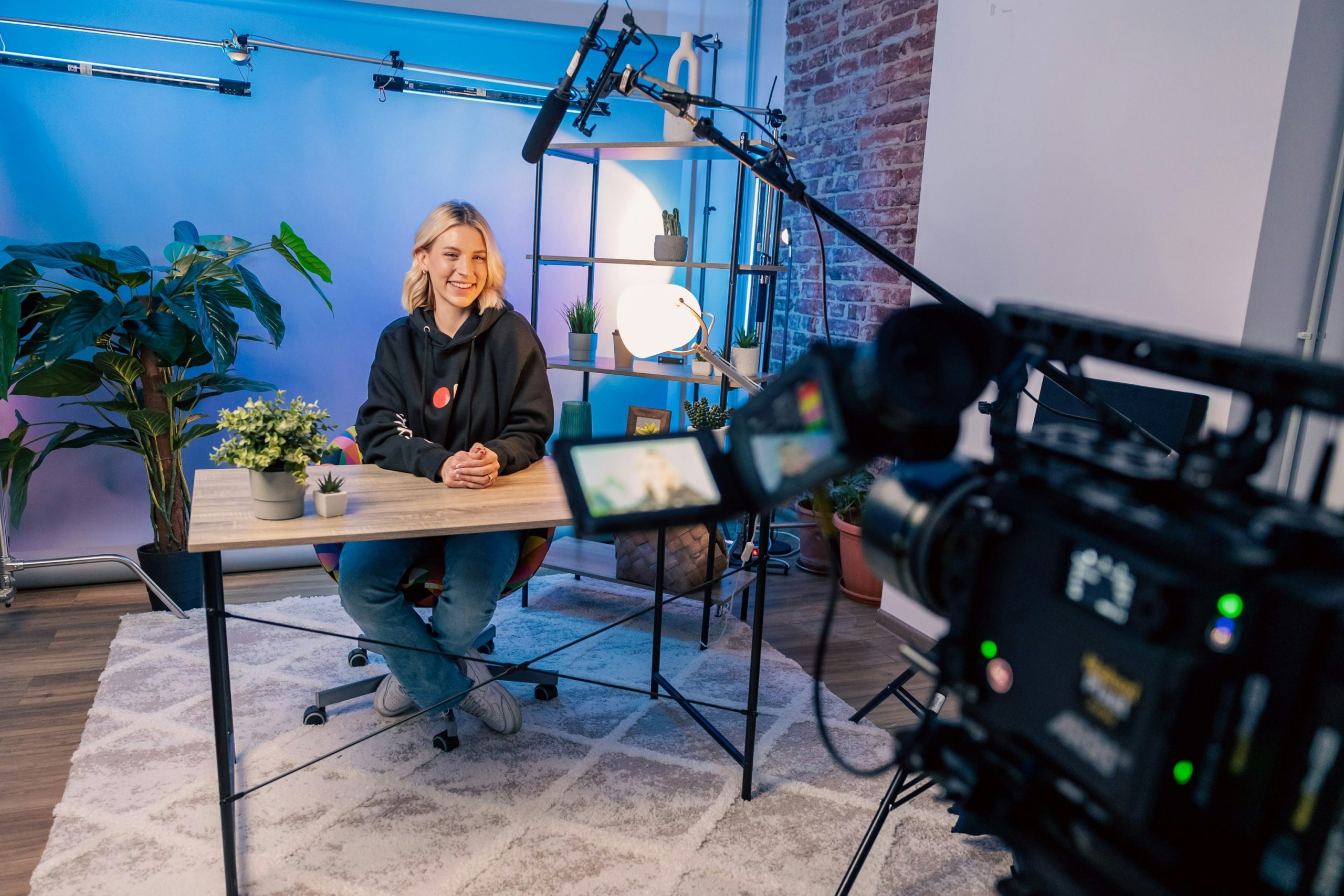
Content Creators vs. Influencers:Key Differences in the Digital Space
Content Creators vs. Influencers: Key Differences in the Digital Space
In the busy world of online media, people often mix up content creators and influencers. You see them both posting on Instagram or YouTube, but they play different parts in how brands connect with fans. This piece breaks down their roles to help you spot the gaps and use them smartly in your plans.
Defining the Core Identities: Creator vs. Influencer
The Content Creator: Focus on Production and Value
Content creators build worlds with their work. They spend hours making videos, writing posts, or designing images that teach or entertain. Their strength comes from sharp skills in tools like cameras and editing apps.
Success for them means steady posts that pull in views and chats. Fans stick around because the stuff feels fresh and useful each time. It’s not just about numbers; it’s the bond formed through solid work.
They don’t tie themselves to one spot online. Many set up their own sites or email lists to keep control. This way, they dodge risks from app updates or bans.
Primary Metric: Engagement and Output Volume
Creators track how long fans watch or read. High engagement shows their content hits home. They aim for regular drops, like weekly videos, to build habits.
Think of a YouTuber who shares cooking tips. Fans comment with questions, and replies keep the talk going. Output counts too—more quality pieces mean bigger reach over time.
Data backs this up. Studies show consistent creators grow audiences 20% faster than sporadic ones. It’s all about that steady flow.
Platform Neutrality and Ownership
Creators spread out to avoid traps. They might post on TikTok, then share links to their blog. This builds a safe base no algorithm can shake.
Ownership matters. Tools like WordPress let them host everything themselves. Fans sign up for newsletters, creating a direct line.
One creator I know moved from Twitter to her site after changes hit. Her followers followed, and now she earns more from direct sales.
The Influencer: Focus on Reach and Persuasion
Influencers shine by guiding choices. They use their voice to push products or ideas in a niche like fitness or tech. Their power lies in trust from followers who listen.
The link feels personal, like a friend recommending a gadget. But it’s often about deals—posts that lead to buys. They focus on quick impact over long builds.
Brands pick them for that sway. A single shoutout can spike sales overnight. Yet, it demands real vibes to avoid fake feels.
The Power of Audience Trust and Conversion
Trust turns fans into buyers. Influencers share stories that match brand goals, like a beauty pro testing makeup. Conversions follow—clicks, carts, cash.
Look at fashion hauls on Instagram. A post with #ad can drive 15% more traffic to a site, per reports. It’s direct and trackable.
But trust is fragile. One off-note promo, and followers tune out. Authenticity keeps the magic alive.
The Sponsorship Ecosystem
Sponsorships fuel their world. Deals come from emails, agents, or platforms like Aspire. A gym influencer might snag free gear for a review video.
Affiliates add layers—links that pay per sale. It’s a web of partners keeping income steady.
Many start small, then land big contracts. Yearly, the industry hits $15 billion, showing the pull of these ties.
The Crucial Differences: Skillset, Goals, and Monetization
Divergent Skill Stacks
Creators master tools; influencers master people. One edits footage till it pops; the other chats live with charm. Both need hustle, but paths split early.
Creators grind on details—color grades or script flows. Influencers build nets through collabs and quick replies. It’s tech versus talk.
Mix them wrong, and efforts flop. A creator pitching deals might stumble without social smarts.
Technical Proficiency vs. Relational Intelligence
Creators grab Adobe Premiere for cuts or Canva for graphics. They learn curves to make pros shine. Hours in tutorials pay off in polished output.
Influencers hone charisma—eye contact in stories or deal talks. They spot trends fast and reply to comments in minutes. Soft skills like empathy seal partnerships.
Picture a podcaster scripting episodes versus a lifestyle star negotiating fees. One crafts; the other connects.
Strategic Objectives in the Digital Landscape
Creators dream of empires—channels that run like businesses. They stack content for years, creating assets that earn passive bucks. Goals center on growth through value.
Influencers chase impact—posts that move needles now. They build brands around their face, aiming for viral hits. Action drives their day.
Both win fans, but one plants trees; the other harvests fields.
Building a Sustainable Content Business vs. Maximizing Campaign ROI
Creators craft timeless pieces, like guides that rank on Google forever. They nurture communities for long hauls, using subs for steady pay.
Influencers tie to trends—holiday pushes or launch buzz. ROI shines in short bursts; a campaign might cost $10K but return triple.
Brands see creators as partners for depth, influencers for speed. Balance both for full wins.
Monetization Paths Divergence
Creators tap many pots—ads, merch, courses. Platforms like YouTube pay per view; fans buy direct. It’s diverse and self-made.
Influencers lean on gigs—flat fees or commissions. One post pays thousands, but dry spells hit hard. Agencies smooth the ride.
Overlap exists, yet cores differ. Creators own streams; influencers trade clout.
Creator Economy Tools (Patreon, Substack) vs. Influencer Marketing Agencies
Patreon lets fans fund exclusives—$5 monthly for behind-scenes. Substack builds paid newsletters with built-in growth.
Agencies like Influencer.com match talent to brands. They handle contracts, leaving influencers to create.
Examples abound. A travel creator sells e-books via Gumroad; a food influencer bags restaurant tie-ins through reps.
The Overlap: Where Boundaries Blur (The “Creator-Influencer”)
The Rise of the Hybrid Model
Lines fade as creators snag deals. They use top-notch work to draw eyes, then sway minds. Hybrids thrive in this mix.
Start with pure creation, add influence. It boosts reach and cash without losing roots.
Many top earners blend both—think MrBeast, who makes spectacles and partners huge.
Leveraging Production Quality to Achieve Influence
Quality content builds cred fast. An edutuber on history starts with deep dives. Brands notice, offer spots.
Casey Neistat filmed raw NYC life, grew millions, then advised Nike. His polish turned views to voice.
This path proves skill sparks sway. Fans trust pros, easing the jump to endorsements.
Implications for Brand Partnerships
Brands now hunt versatile talent. They want engagement plus polish, not just size. Spend shifts—$2.5 billion yearly on creator collabs alone.
Pure influencers offer broad nets; creators deep dives. Hybrids hit sweet spots.
Actionable Tip: Assessing Content Quality vs. Audience Size
Check production first—does it inform or wow? Then size: does reach match goals?
For awareness, grab big influencers. For loyalty, pick creators with 50K engaged fans over 500K casuals.
- Review past work: High views on originals signal strength.
- Test trust: Scan comments for real chats.
- Track metrics: Aim for 5% engagement rate minimum.
Use these to pick winners.
Navigating Algorithm Changes and Platform Dependency
Creator Resilience Against Algorithm Shifts
Platforms tweak rules often, but creators adapt. They mix formats—reels to blogs—to spread risk. One hit doesn’t sink the ship.
Diversify early. A video goes viral on Reels? Repurpose to podcast snippets.
This setup weathers storms, keeping growth steady.
Audience Portability: Moving Beyond the Feed
Creators build lists—emails hit inboxes direct. Tools like ConvertKit make it easy.
They offer freebies for sign-ups, like PDFs. When TikTok shifts, fans still come.
One blogger I follow grew her list to 10K; it saved her during a ban.
Influencer Vulnerability and Authenticity Crises
Heavily tied to one app? Big risk. A follower drop from tweaks hurts bad.
Plus, scandals brew easy. A bad collab erodes trust overnight.
They must stay true, or capital crumbles.
The Mandate for Transparency in Endorsement
Rules demand clear tags—#sponsored upfront. FTC fines lurk for fakes.
This builds faith. Fans spot honesty, stick longer.
One influencer lost 20% followers after hidden ads. Clear ones rebound quicker.
Conclusion: Future-Proofing Digital Strategy
Content creators craft the goods; influencers steer the crowd. They differ in skills, aims, and cash flows, yet hybrids rule now. Master both for edge in online plays.
The digital space rewards smart mixes. Brands gain from varied talents; pros build lasting paths.
Key Takeaways for Marketers and Aspiring Professionals
- Pin your goal: Spread word with influencers; build bonds with creators.
- Prize craft over crowds: Top content wins long-term loyalty.
- Blend roles: Learn to make and move—it’s the power combo.
Ready to level up? Pick a side or merge them, then test in your next project. Your audience waits.





0 Comments