Western television has always invited viewers to ride into wide open landscapes where morality and violence play out against an untamed frontier. The best Western shows thrive on big stakes and bigger archetypes, of loners, lawmen, and even legends. But when a Western fails to deliver the goods, it leaves fans stranded in the dust with broken promises.
Over the past two decades, several traditional and revisionist Western series captured our attention, only to squander it. Some were canceled before they could deliver, while others lost their voice to messy plotting, disappointing character choices, or corporate meddling. These shows remind us that even in the golden age of TV, the frontier remains as unforgiving as ever.
Deadwood / Deadwood: The Movie
2004–2006, 3 Seasons + 2019 Movie
Timothy Olyphant and Ian McShane in Deadwood
It may be revered now, but Deadwood‘s cancellation in 2006 was a gut punch. HBO axed the show after three seasons, leaving arcs unresolved for over a decade. While the 2019 movie attempted closure, even positive reviews carried caveats. Many criticized it for playing too safe and sanding down the show’s trademark edge.
Complaints were directed toward beloved characters like Al Swearengen, who was softened too much, and conflicts that were tied up with too much neatness expected from the genre. After waiting 13 years for a proper Deadwood ending, fans expected a raw coda to match the series’ tone. Instead, they got a mournful epilogue that felt more like compromise than catharsis.
The Mandalorian
2019–2023, 3 Seasons
Din Djarin (Pedro Pascal) and Grogu face one another as they prepare to say goodbye.
The Mandalorian started as a space Western done right, with so much promise. Seasons 1 and 2 won near-universal acclaim, with 93% audience scores on The Mandalorian‘s Rotten Tomatoes. But Season 3 told another story: critics held steady at 84%, while the audience plummeted to 51%, citing muddled focus and franchise bloat.
The disappointment ultimately came from some head-scratching storytelling choices. Din Djarin, once the heart of the show, was sidelined in favor of setting up Star Wars spin-off shows like Ahsoka, and instead of tight arcs about survival and morality, fans were dragged through uneven pacing that simply felt like corporate obligations.
Strange Empire
2014–2015, 1 Season
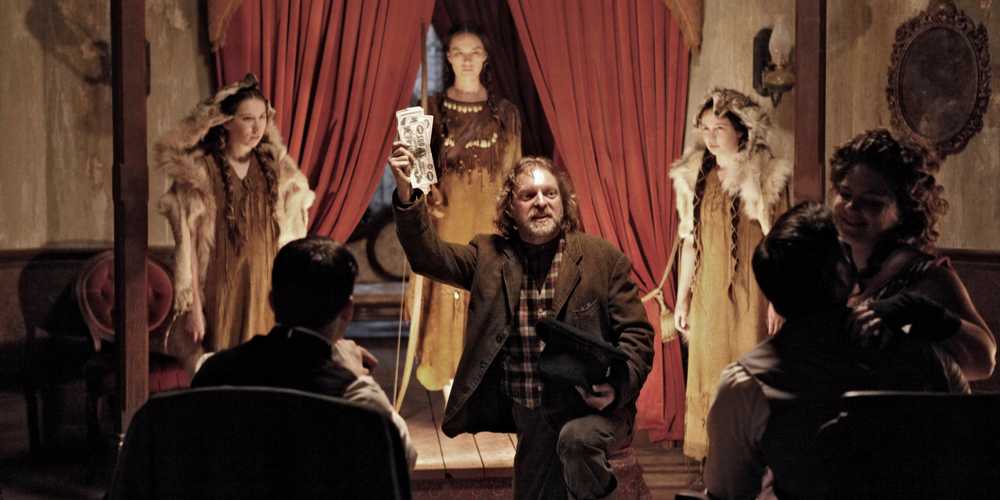
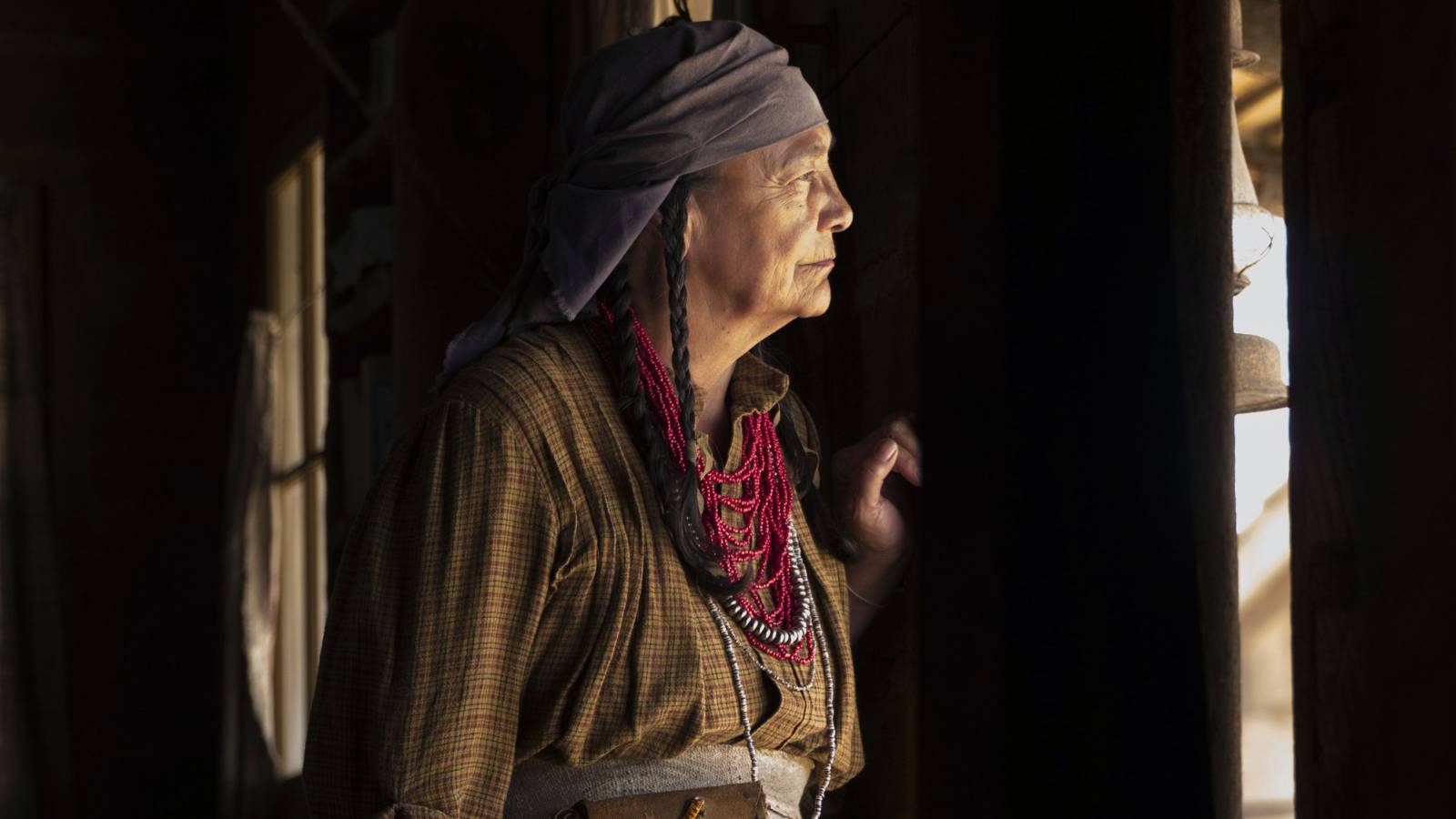
CBC’s Strange Empire promised a darker, female-led Western with Indigenous representation, a rarity in the genre. Its first season was praised for refusing to shy away from controversial issues of the time. But then the network yanked the plug, leaving fans wondering why the show was even produced in the first place.
Fans also voiced frustration that rich storylines—like Kat Loving’s quest for justice—were abandoned without resolution. Promoted as a bold new direction, Strange Empire was betrayed by a network unwilling to nurture it. Considering how it doesn’t even have a Rotten Tomatoes page, maybe CBC failed to market the show enough in the first place.
Into the Badlands
2015–2019, 3 Seasons
Daniel Wu as Sunny in Into the Badlands
AMC’s Into the Badlands was an interesting martial-arts Western, nothing remotely traditional, but its aesthetic carved out a unique niche. From the start, critics flagged wasted potential: the Badlands Rotten Tomatoes’ consensus for Season 1 noted “off-kilter potential left largely unfulfilled.” But audiences were much higher on it, awarding an 87% score compared to critics’ 64%.
The abrupt cancellation of Into the Badlands in 2019 and the finale only deepened the wound. While action sequences delivered, the episode teased future arcs that would never come. Characters like MK were left in limbo, and fans debated whether Sunny’s journey was cut short before true resolution. It’s a shame it ended mid-stride.
The Son
2017–2019, 2 Seasons
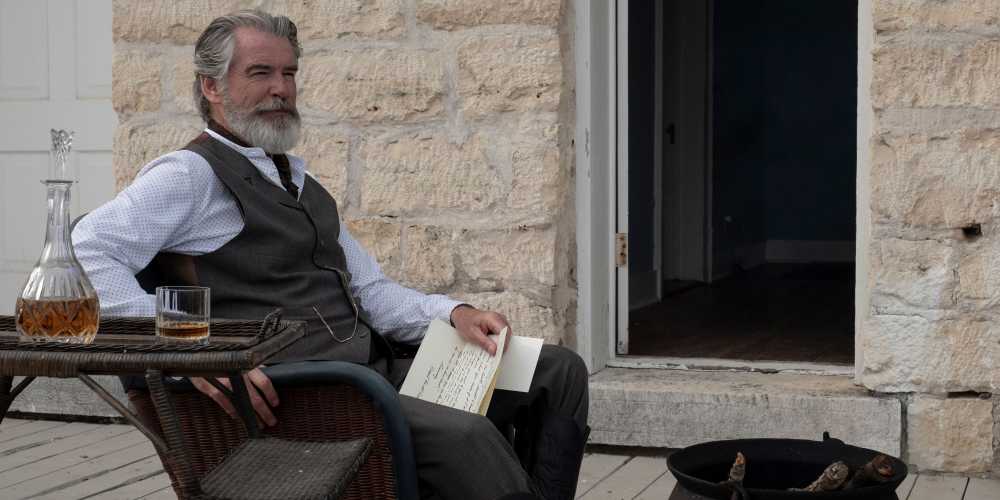
With Pierce Brosnan headlining, The Son was pitched as AMC’s next prestige Western saga. Instead, Season 1 limped to a 52% Rotten Tomatoes score, criticized for sluggish pacing and underdeveloped secondary characters. What should have been a sweeping generational epic felt instead like an imitation of greater shows.
The real disappointment derived from it being yet another TV Western that should have been longer. Sure, The Son received its proper ending, but the show only lasted two seasons and fans craved more. Take the 88% audience score that critics largely ignored as proof. Many fans saw The Son as a rare, underappreciated Western gem that ultimately deserved better.
Godless
2017, 1 Season
Netflix marketed Godless as a groundbreaking, woman-driven Western. A town of widows running their own lives sounded like genre reinvention, yet critics quickly noticed the bait-and-switch. Vox expressed confusion with the trailer, claiming it “wasn’t exactly as advertised,” focusing instead on the rivalry between Jeff Daniels and Jack O’Connell. Even in a “woman-only” town, men dominated the dialogue.
What could have been a spiritual sequel to Yellowstone, the betrayal was amplified by its intended miniseries format. With just one season, there was no second chance to balance those missteps. Fans who came for a new perspective instead got another male-centric duel, leaving Godless as a story that betrayed its very premise.
Hell on Wheels
2011–2016, 5 Seasons
Anson Mount as Cullen Bohannon in Hell on Wheels.
Hell on Wheels rolled onto AMC with enormous expectations, hyped as, once again, the next prestige Western. There’s a weird pattern there. The pilot suggested it could be just that, but cracks appeared quickly. Ratings fell 35% in week two, and critics complained of quality acting, but poor writing. Despite achieving five seasons, the show’s narrative never achieved the depth it promised.
Characters meandered, arcs stretched too thin, and plots often stalled. For a series about ambition, revenge, and American expansion, it ended with a whimper. Fans expected an ironclad saga but instead, Hell on Wheels became a slow ride to nowhere.
Walker
2021–2024, 4 Seasons
Jared Padalecki as Cordell Walker standing outside in front of a fire truck on Walker
The Walker reboot stripped away the martial grit of Chuck Norris’ original and replaced it with family melodrama. Walker‘s Rotten Tomatoes score reflects the reaction: a 32% Season 1 score, with critics noting its lack of action and overstuffed domestic arcs. What was once a tough-as-nails Ranger became, in one IMDb reviewer’s words, a “neutered crybaby.”
Beyond fan frustration, cancellation sealed the disappointment after four seasons. Jared Padalecki himself critiqued The CW, citing a shift toward “cheap content,” implying the show was abandoned mid-course. For viewers, Walker was a betrayal of legacy, a promise of rugged action turned into soap opera spectacle.
Yellowstone
2018–2024, 5 Seasons
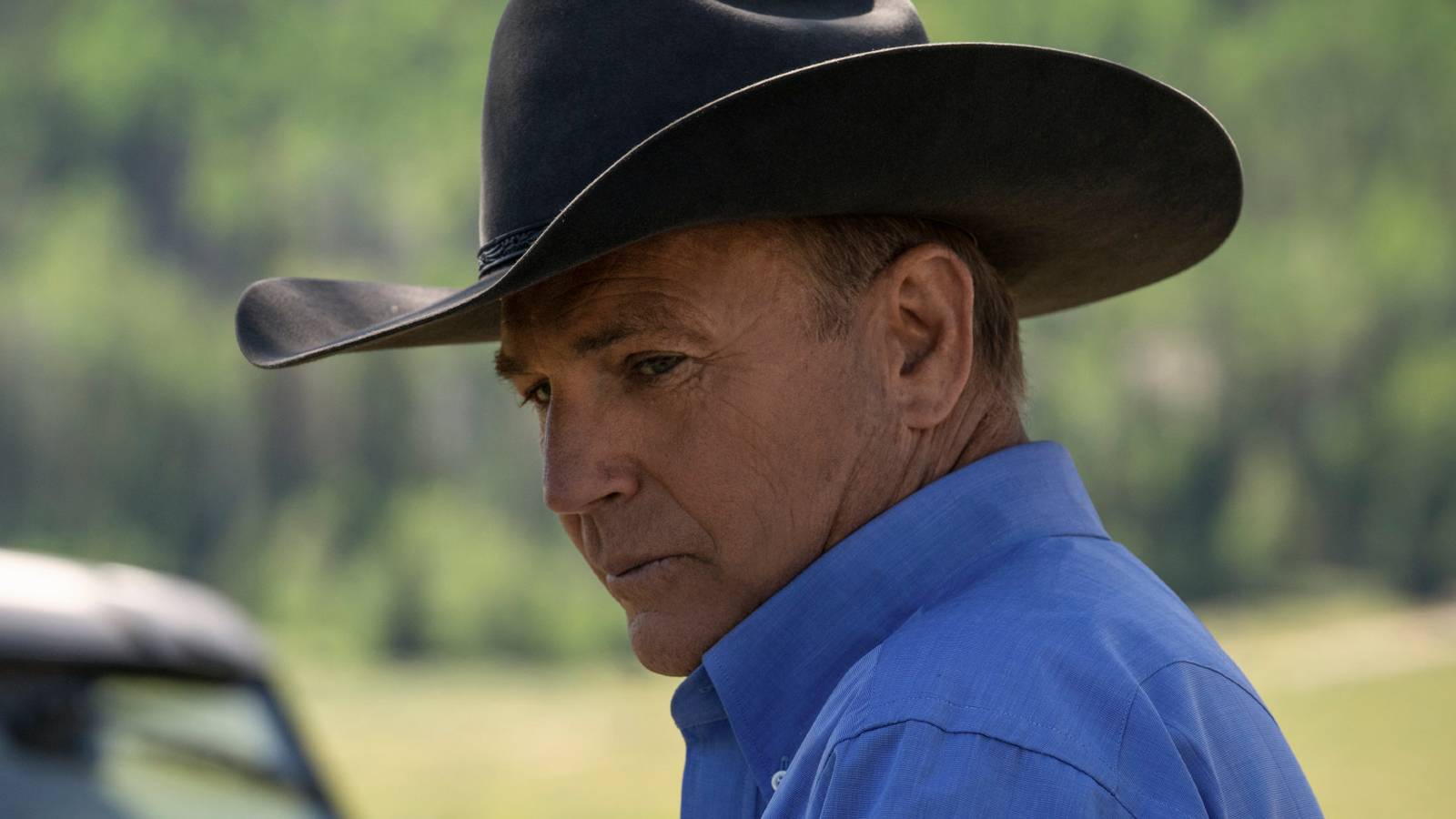
Kevin Costner as John Dutton and Luke Grimes as Kayce Dutton in Yellowstone
Few Westerns have captured modern audiences like the Yellowstone empire. For several Yellowstone seasons, Kevin Costner’s John Dutton led a sprawling saga of land, power, and family. Early critical reception was strong, with later seasons reaching near-universal acclaim. But by Season 5, cracks began to show. Costner’s departure from Yellowstone mid-season left a gaping hole, and fans quickly noticed the difference.
Without its patriarch, storylines grew uneven and some character arcs felt rushed, while others drifted into contrived territory. The decision to write out John Dutton frustrated longtime viewers who expected a powerful send-off for the character who defined the show. At least there are some stellar spin-offs to keep the franchise alive.
Westworld
2016–2022, 4 Seasons
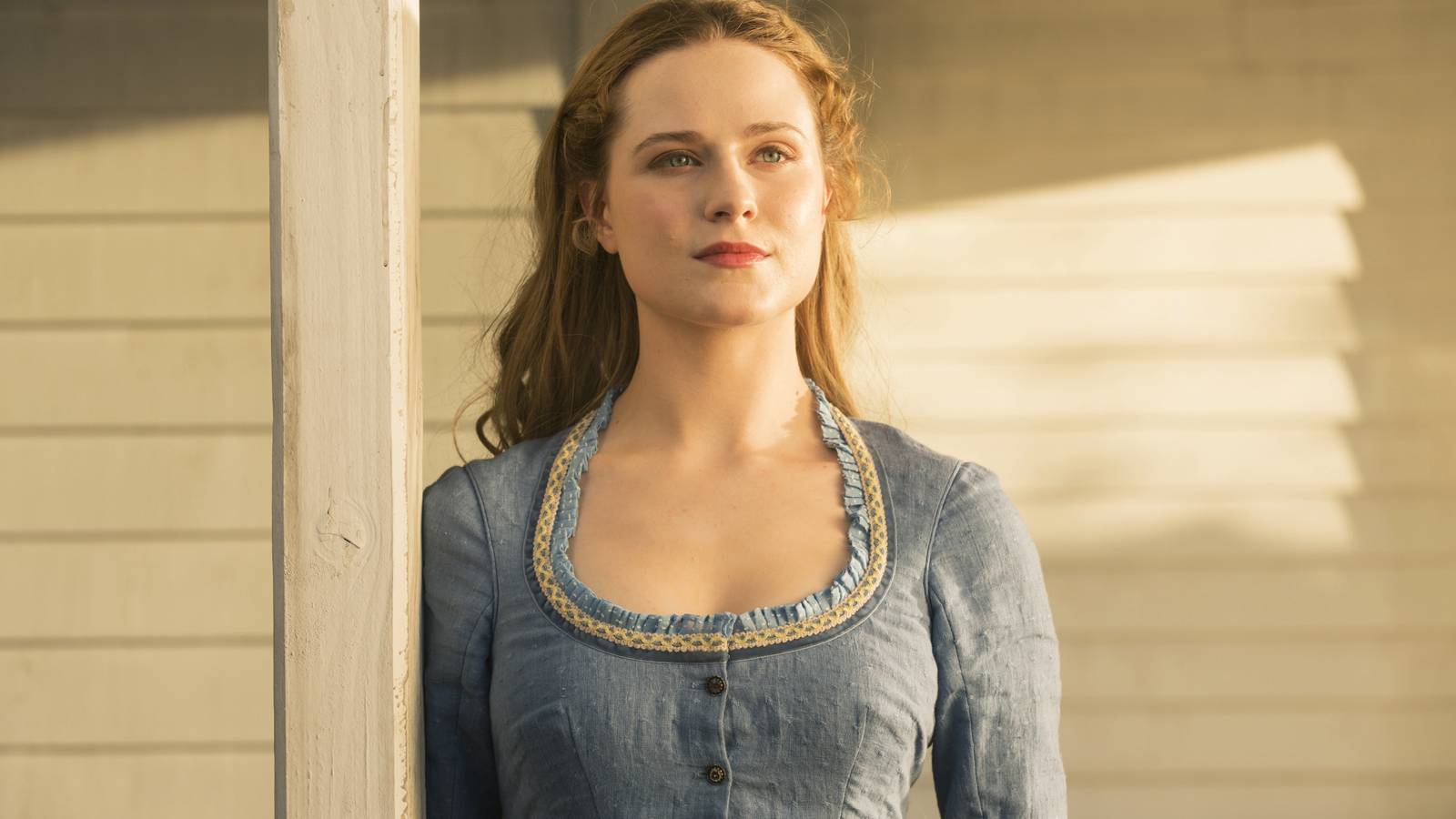
Few shows launched with as much anticipation as Westworld. Its first season, riding off the heels of Game of Thrones, was a mind-bending blend of Western and sci-fi innovation, instantly sparking theories and cultural buzz. But the further it rode, the more it lost its way.
Westworld‘s season 3 ending, “Crisis Theory,” bottomed out at 45% on Rotten Tomatoes, criticized for rushing to shallow conclusions and abandoning the show’s philosophical intrigue.
Character arcs suffered just as much. Dolores’ evolution felt truncated, Maeve was reduced to exposition, and fan-favorite mysteries fizzled without a pop. When HBO canceled it after Season 4, co-creator Jonathan Nolan admitted the story was unfinished. But there’s no worse betrayal than HBO utterly removing the entire show from all streaming services.








0 Comments