The Beatles were a phenomenon in the ’60s, and remain one to this very day. They were a force that refused to stay in their own era. Long after the screaming crowds and Ed Sullivan flashbulbs faded, the band still had an iron grip on the charts, the culture, and every musician trying to carve out space in a world they essentially redesigned. The industry had spent decades trying to outrun their shadow, but The Beatles were the kind of act you never actually get away from.
By the late ’90s, the modern stars of the moment—from boy bands like One Direction to pop icons a la Taylor Swift—were still being measured against Lennon, McCartney, Harrison, and Starr. It’s not as crazy as it sounds.
Here’s why: 25 years ago, that lingering dominance sparked a fresh wave of quiet-yet-prevalent frustration. Just when artists thought they’d finally claimed their own lane, The Beatles came roaring back to remind everyone that the crown was never really up for grabs in the first place.
The Beatles’ 2000 Album Hit #1 25 Years Ago
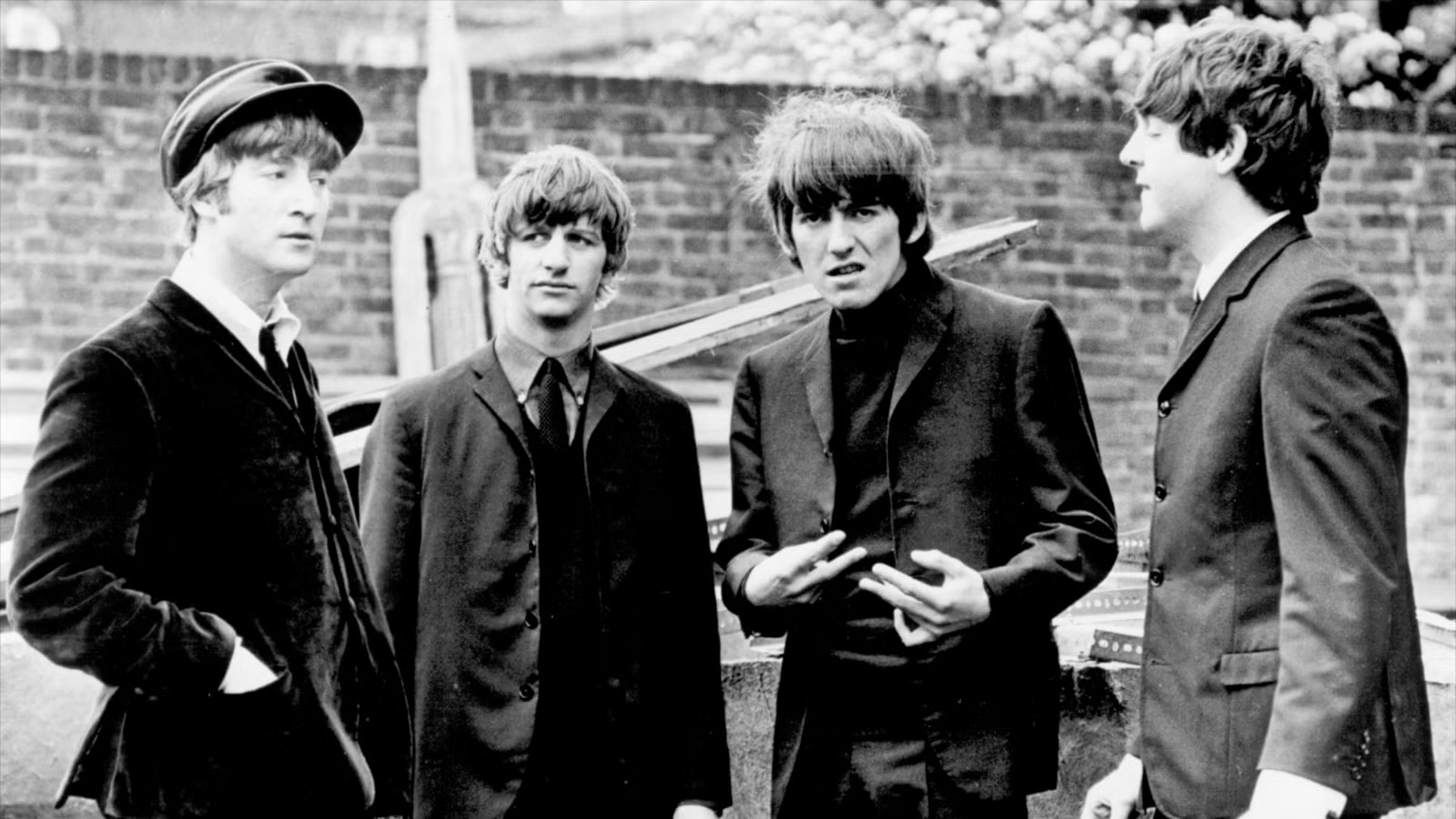
The Beatles play together in Let It Be (1970)
Beatlemania was far from over by 2000. Sure, the band had broken up 30 years before, John Lennon had passed in 1980, and new boy bands had taken over the airwaves. However, the Beatles stayed on top, and that was bad news for other musicians trying to make their way.
On November 13th, 2000, the UK-based group released a greatest hits album aptly titled 1. The album consisted of 27 #1 hits from The Beatles’ career, including “I Want to Hold Your Hand” and “Let It Be.” Two weeks later, the album would hit number 1 on the Billboard 200.
The rock band’s compilation album would continue to succeed, becoming the best-selling album of the decade worldwide and the 4th best-selling album of all time in the United States. The album was so successful that it received several reissues, one in 2011 and another in 2015. In addition, it inspired countless other greatest hits releases throughout the 2000s.
Elvis Presley’s Elv1s came out two years later, followed by Michael Jackson’s Number Ones in 2003. Prince, Nirvana, and The Rolling Stones are among other artists who followed in The Beatles’ footsteps. While The Beatles were not the first to release a greatest hits album (1 wasn’t even their first greatest hits album), they were certainly the ones to popularize it in the new millennium.
Why The Album’s Success Was Stressful For Their Aspiring Successors
The success of 1 was great news for The Beatles and their fans, but it was pretty frustrating for everyone who came after them (which is just about everyone). Not only did the 2000s see the rise of new stars, but there were plenty of musicians who debuted in the decades after The Beatles that still had to fight them for the #1 spot.
The Beatles’ splitting up was a relief for anyone trying to succeed in music, but apparently, even a split wasn’t weakening their hold on the industry anytime soon. It’s obvious the band’s appeal spans generations, and no matter how much time passes, they will continue to resonate with the people, spawning generations to come, probably until forever.








0 Comments