It started with a harmless internet debate that spiraled into a full-blown existential crisis about what it means to love music. A stranger online was praising Kanye West as one of the greatest rappers alive. I reminded him that West, by his own admission, has used ghostwriters.
Then, while scolding me, the person used the word “pretentious” to describe people like myself who can’t stand artists using others to help them pen lyrics. The guy then called himself a true music fan, because he’s able to enjoy songs regardless of how they came to be.
I shot back by suggesting to the West loyalist that he might be a little more into celebrity than music, because if he really was a passionate music nerd as he claimed, he’d figure out who wrote West’s lyrics and praise them as well, not just the sole famous person who delivered their words.
Some may ask why the ghostwriter debate happens more in hip-hop compared to other genres, which is definitely the case.
Why Ghostwriters In Hip-Hop Are Less Accepted
If music fans are like me, then they don’t mind some artists using others to write their lyrics, like the ones who brand themselves as vocalists before anything else. For example, I don’t think people like me are annoyed at artists like Celine Dion or Mariah Carey using a ghost or co-writer, since their vocal capabilities are the main attraction.
But when a rapper goes on and on about how talented he or she is, and that person winds up on greatest-rapper lists, it bothers a lot of people, namely music purists. For one, hip-hop was built around the idea of rappers telling their own story through their lyrics, not letting someone else do it for them.
So, imagine a rapper from The Bronx, let’s say, who’s detailing his or her experiences of living in their New York City neighborhood, but then it’s later determined that someone else detailed their experiences for them. Whose story is really being told in that case?
It’s a point that Atlanta rapper Quentin Miller made in 2023 while on the One More Time Podcast. Most people probably became familiar with Miller during the 2015 beef between Drake and Philadelphia rapper Meek Mill, who said that Miller wrote Drake’s songs.
The OVO rhymer later denied the claim during a 2017 interview with DJ Semtex, saying that he writes all of his music and collaborated with Miller to just spark ideas.
Miller explained in his interview why some will always have a problem with artists using ghostwriters, and he used a rapper from OutKast to make his point.
“André 3000 is one of the greatest lyricists of all time,” Miller began. “If I found out he was not the only one writing those verses, it would impair the way that I look at him. Even though he’s delivering it well, and he could be just the deliverer [it would bother me.]”
Miller then brought up the same point that I made with the West fan: That ghostwriting became more accepted in hip-hop once the genre entered the pop space, which happened in the ’90s when labels like Bad Boy and Death Row brought millions of dollars into the rap industry.
“What people miss out on is that hip-hop has become pop, and at the end of the day, when you’re talking pop, you’re talking about the best, biggest records that you can get, and who gives a f–k how you get to it, as long as you get to it?” Miller explained. “So, on the pop side of hip-hop, it just changed the game and became more about the results.”
But even though the quality of rap music is measured by album sales and chart positions over skill level in the mainstream, millions of people around the globe, of various ages, still associate rap with the cultural aspects of hip-hop, which, again, partially has to do with one telling their own story.
Think about it. Sure, mainstream rap has been pop music for nearly 30 years, based on its reach and chart dominance. Still, you’ll always see people on social media bashing artists and their projects if they believe ghostwriters are being used.
Cardi B, who admitted to using ghostwriters, is just one of the artists who many come down on for that very reason.
Another way to explain the ghostwriting debate is to look at the difference between a passionate foodie and a person who just likes to eat.
The foodie may want to know who the chef is, how he or she prepared the dish, what ingredients were used, and their overall technique—since learning those particulars may add to the overall eating experience. On the other end, someone who just likes to eat, may not care about any of those things and just wants a tasty dish.
So, similar to how a foodie’s interest in artistry won’t diminish, the hip-hop fan who still cares about the cultural aspects of the genre won’t ever be fine with a rapper using another person’s rhymes.
People Complaining About Ghostwriters In Other Genres
Yes, using ghostwriters in hip-hop is way more frowned upon compared to other forms of music, but there are a good number of pop and rock fans who’ve complained about it, despite the practice being more accepted in those genres.
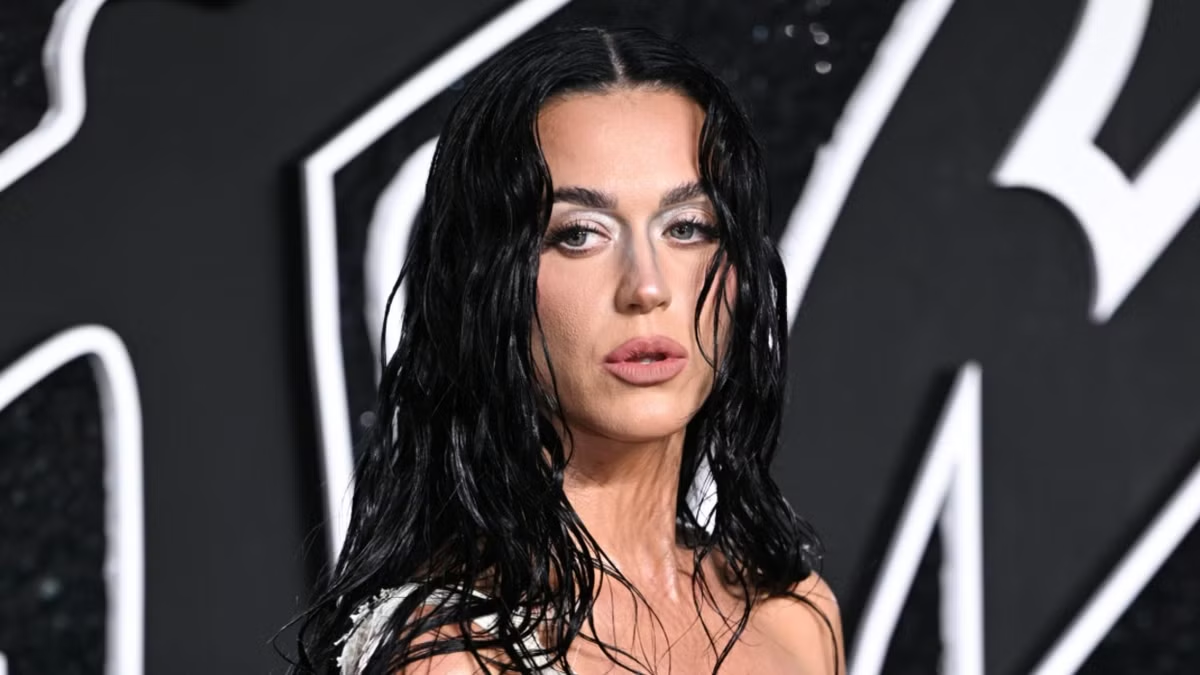
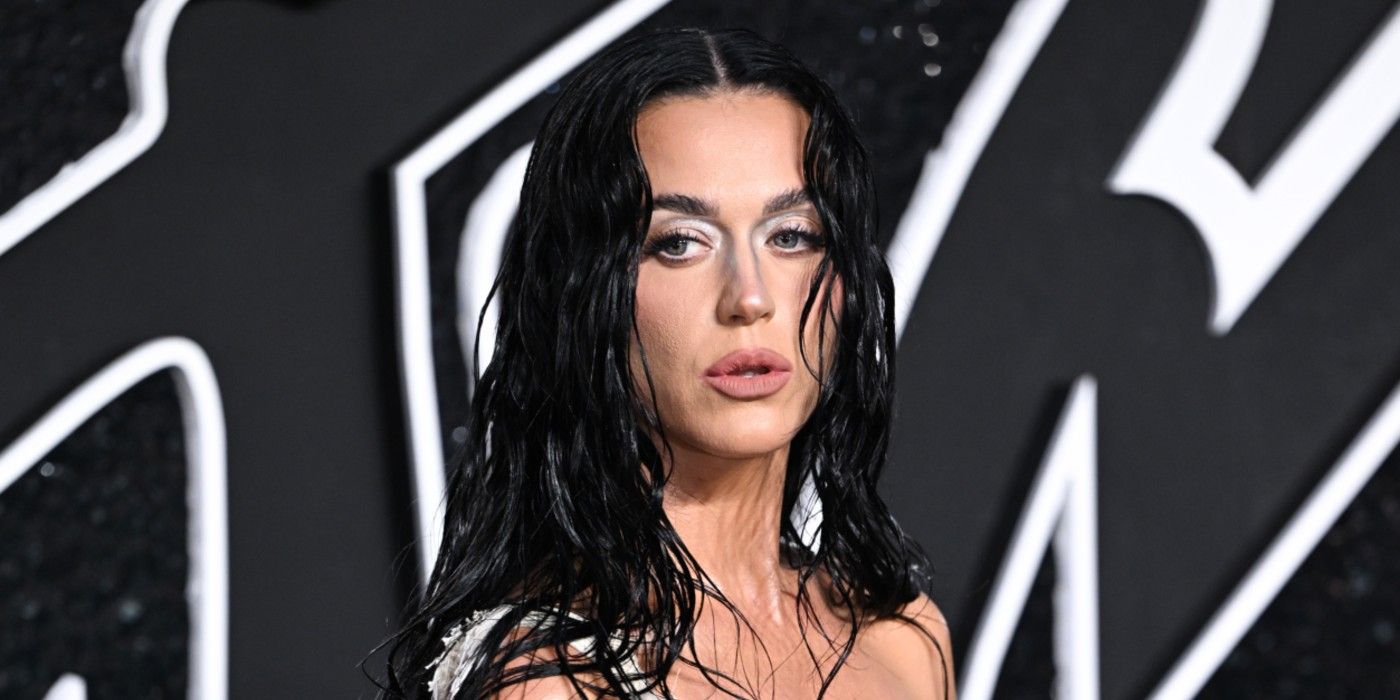
Take Katy Perry, who’s 2020 album Smile has a long list of writers. On the LP’s first track, “Never Really Over,” for example, there are eight other lyricists listed in the credits besides Perry. Her follow-up album 143 also lists a bunch of writers.
“Well, I don’t have to explain why having 30+ writers on an album is bad, but incase you don’t know, it makes the album lack self-expression, [it’s] less cohesive cuz of the perspectives that don’t always fit together,” wrote a Reddit user.
“Large number of writers means the label is heavily involved, prioritizing what sells over what feels real,” that person continued. “This can make the album sound like it was designed by committee rather than created with passion.”
Pop singer JoJo Siwa also caught some flak when she said her viral song “Karma” was pitched to her. She made the confession after an unreleased version of the cut by Brit Smith surfaced online.
Afterward, some complained about Siwa finding success through another person’s creativity, like the rapper Lil Tay, who tweeted, “I found out [that Siwa] buys her songs and doesn’t write her music and I take my music very seriously and don’t want to be compared to frauds.”
It’s important to say, though, I don’t think artists who use ghost or co-writers are frauds, they just shouldn’t be placed in the same category as self-contained acts.
Even KISS, who wrote a lot of their material themselves, got some complaints about using outside writers like Desmond Child, Bryan Adams, and Diane Warren in the latter part of their career.
“Through this songwriting method, we have lost the actual sound of what KISS actually would sound like if they wrote their own music and songs,” somebody wrote on a KISS fan page.
“Any song that is co-written cannot be considered in the same way relating to KISS as a song written by the actual performing members of the band at any given time,” added the KISS purist.
Now, it could be said that the people who don’t like artists using ghostwriters or co-writers are in the minority, but if you’re waiting for their complaints to be forever silenced, I wouldn’t count on it.
That’s because for some, if they’re like me, their favorite thing about listening to music is being amazed at all the great lines that a person or band comes up with by themselves.





0 Comments