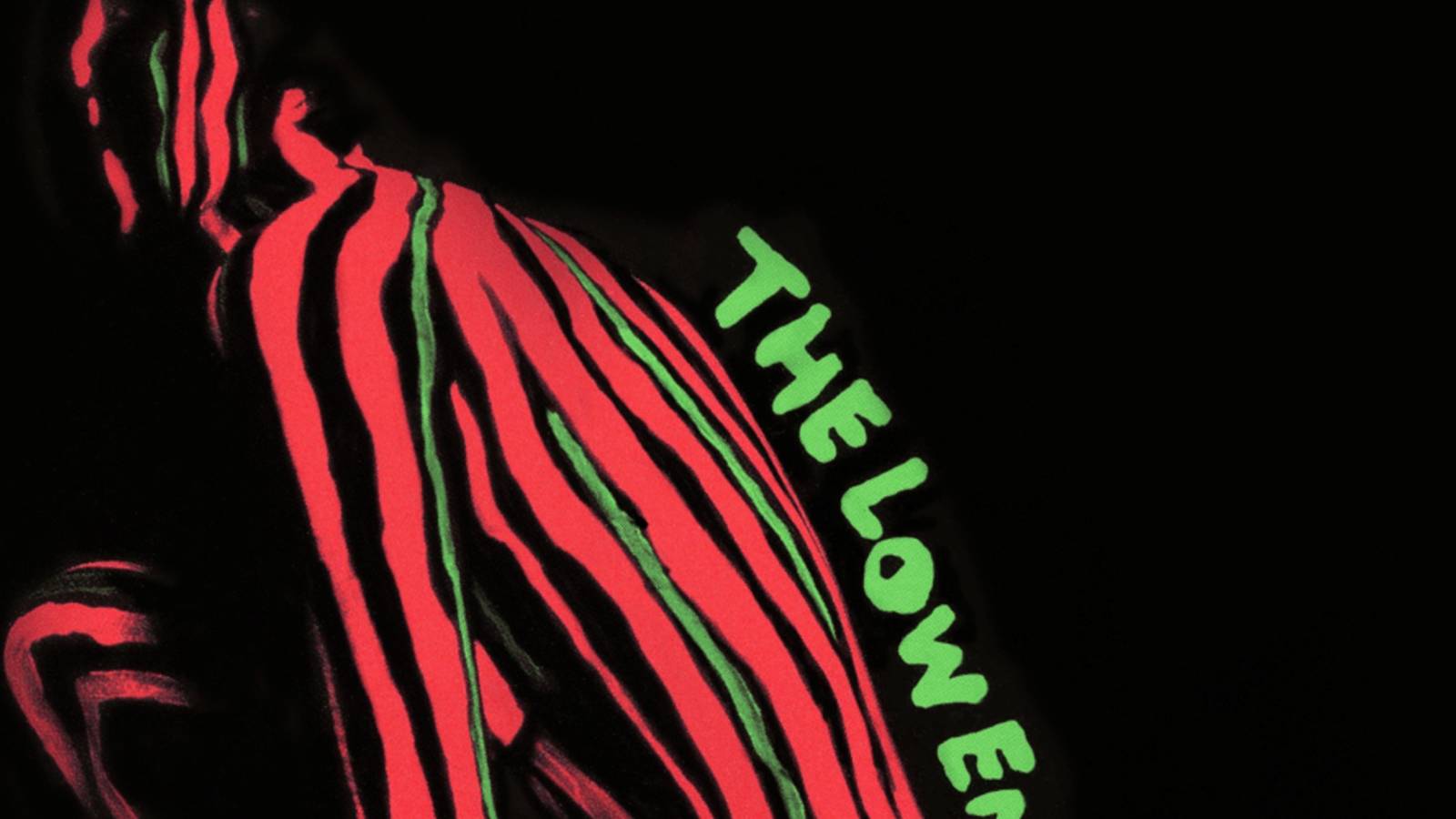
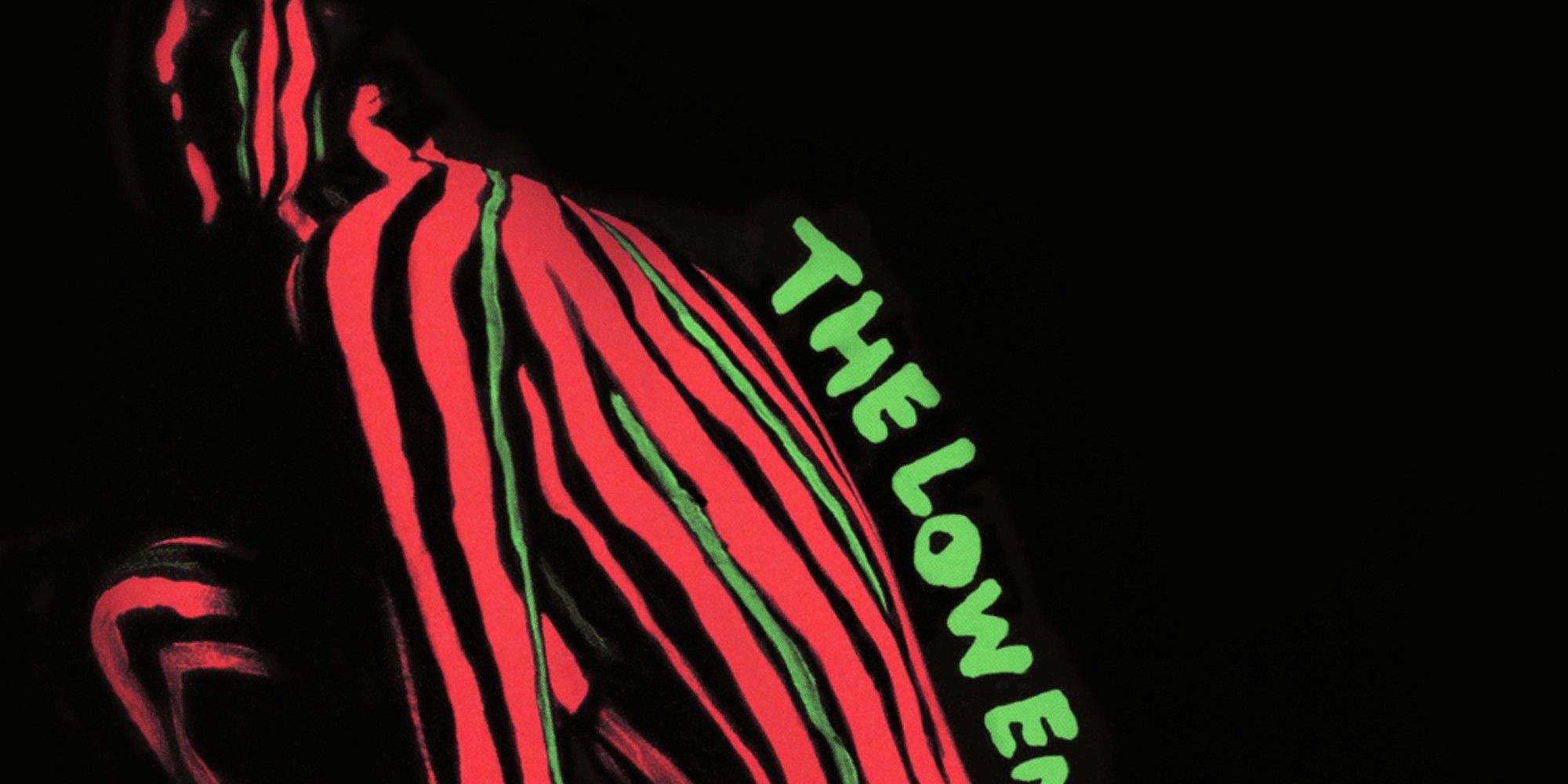
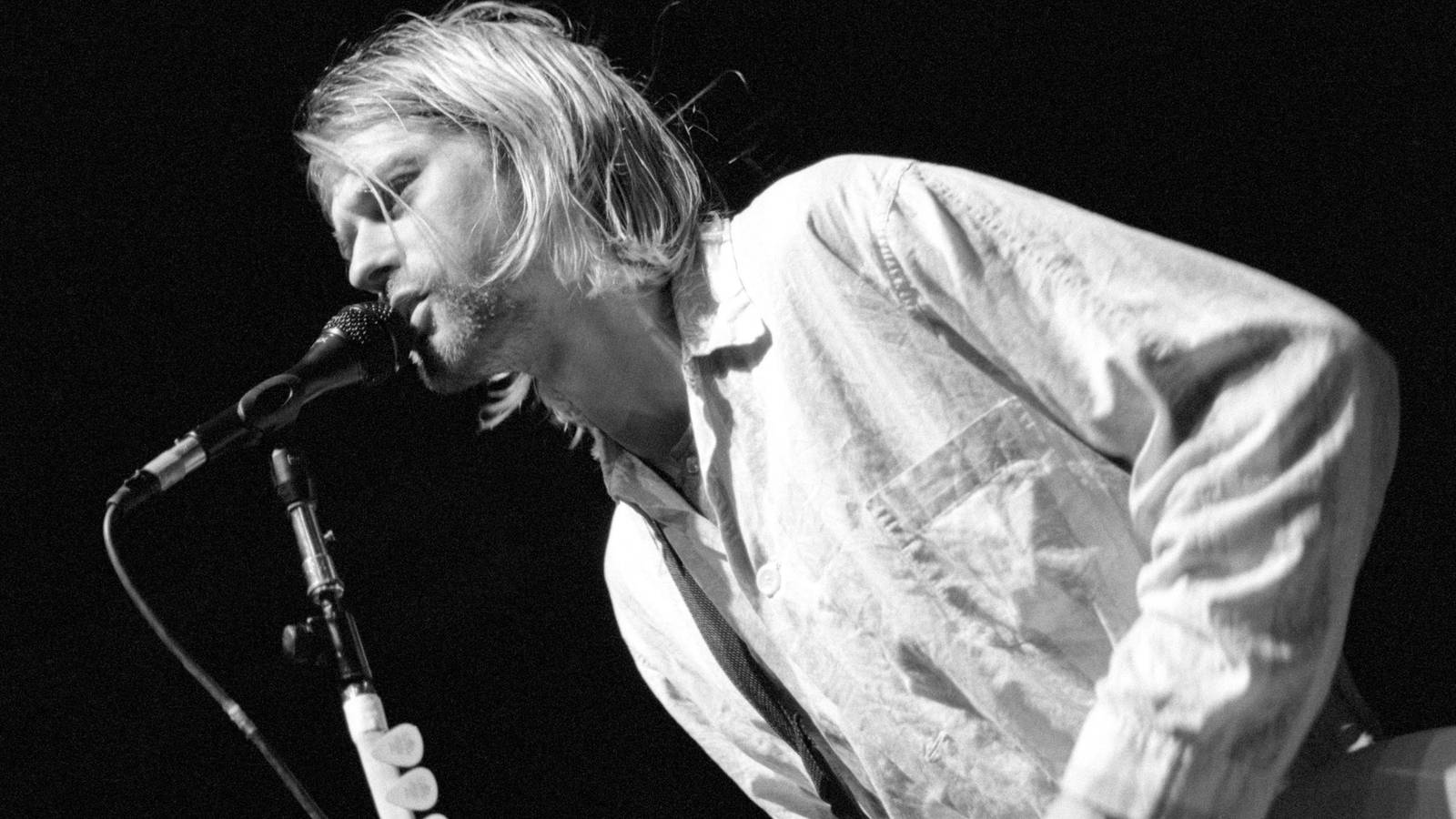
September 24, 1991, was a huge day in music since two highly celebrated albums were introduced to the world: Nirvana’s Nevermind, and A Tribe Called Quest’s The Low End Theory. See, every legendary musician or group has an album that marks their greatness, an album where all the moving parts connect perfectly after trial, error, and experimentation.
For Tribe, that album is The Low End Theory. Not that their debut LP, People’s Instinctive Travels and the Paths of Rhythm isn’t brilliant, because it is, as it captures the group’s youthful passion for music making, as well as their seeming desire to separate themselves sonically from their contemporaries.
The Low End Theory could also be called one of the most sonically cohesive LPs in rap history, since one song melts into the other and at the end, listeners are left standing in a gorgeous river of sound, complete with obscure jazz samples, huge sounding drums, and thought-provoking rhymes.
For these reasons, ranking all of its songs is difficult, but we were still able to pull it off, so let’s get into it.
14
Everything Is Fair
Things move a mile a minute in the big city and in New York City a mile a second, which Q-Tip raps about on this dazzling track. He details the actions of a woman who successfully keeps pace with the city after she gets seduced by fame and celebrity.
Plus, no matter how hard city life can be, the woman, who Q-Tip seems to love, keeps up appearances by wheeling around in a Mercedes-Benz.
But just like a lot of Tribe’s songs, if one chooses to solely hone in on the music as opposed to the story, they’ll be swept up by Tip’s genius sampling. On this one, he uses Funkadelic’s Let’s Take It to the People, which is backed by his signature knock-you-over-the-head drums.
In 1991, in between people using pay phones and cell phones, pagers were all the rave, so Tribe making a song about them couldn’t be more timely. “Do you know the importance of a Skypager?” asks Q-Tip right before the muddy bassline kicks in.
Both Tip and Phife explain to the listener why it was essential to own a Skypager in 1991, suggesting one could miss money and dating opportunities if the device isn’t purchased. That’s the thing about Tribe. They’re often considered ahead of their time, not just musically, but in recognizing budding trends and “Skypager” is a perfect example of that.
12
What?
One of Q-Tip’s strong qualities as a songwriter is his ability to infuse humor in songs without making them sound silly or overly comedic, like on the track “What?”
He even crafts an amusing-sounding beat to the cut, while asking a bunch of questions. The concept seemed to spark the idea for Common and Yasiin Bey’s 2000 collaborative cut, “The Questions.”
Tip even reaches Superman fans and those who love the 1950s sitcom The Honeymooners with his lines. “What’s Clark Kent without a telephone booth? / What is a liquor if it ain’t 80 proof? / What are the youth if they ain’t rebellin’? / What’s Ralph Kramden, if he ain’t yellin’ at Ed Norton,” he raps.
Around the time that The Low End Theory was released, the music industry still didn’t fully accept that hip-hop was a viable art form, and there wasn’t a tremendous amount of respect for rap acts.
It wasn’t just record labels, either. Oftentimes, show promoters wouldn’t take rappers seriously, which led to all kinds of problems when it was time to fork over payment.
A Tribe Called Quest must’ve had their fair share of mistreatment, because “Rap Promoter” serves as a warning to show organizers that they’d better have their money together, if not, the group wouldn’t even come to the venue.
If anything, the song brought the problem of shady show promoters to the forefront, which possibly made it harder for them to take advantage of rappers.
10
Show Business
It seems that A Tribe Called Quest always had a love-hate relationship with the music business, as well as their label, Jive Records, so they felt it necessary to warn those looking to get signed.
Bringing Brand Nubian’s Lord Jamar and Sadat X, as well as rapper-producer Diamond D, along for the ride, the men tell aspiring artists to think long and hard about wanting to be in the music business. Q-Tip warns about money-hungry groupies, and Jamar tells the common story of artists having huge songs but still being broke.
Meanwhile, Phife’s verse is about artists who lack proper rap skills but still get prioritized by record labels because of their commercial appeal, and Sadat raps about finicky fans who love you one day and trash you the next.
Then Diamond D closes things out by explaining how everything has to come together perfectly for an artist to succeed. So, if you’d rather not read books like Don Passman’s All You Need to Know About the Music Business to learn the rap industry, just listen to “Show Business” instead.
9
Vibes And Stuff
“Vibes and Stuff” is a suitable name for this head-nodder, as it’s far from a concept song, because Tip and Phife don’t stick to a singular subject. Instead, their verses are similar to what’s known as a rap cypher, where each rapper is given a moment to shine and express whatever is on their mind.
The song has a vibey, carefree feel to it, and it’s like Tip and Phife are freestyling in certain parts, like when Tip seems to be thinking of what to say next. “Think I gotta, I think I gotta, I think I gotta scream,” he says before continuing.
There’s something about that bell sound that plays throughout the track as well. It’s almost hypnotizing and makes your surroundings vanish, allowing you to immerse yourself in the warm, inviting sounds that much more.
8
Infamous Date Rape
First off, it’s important to state, while the song “Infamous Date Rape” has aged well over the years, its title hasn’t, and if made today, the group might name the album’s eighth track something else. Still, the cut is more than pleasing to the ear due to its thick and cozy baseline, which nestles you like your favorite sweater during winter time.
The balance between Tip and Phife’s words, the hard-hitting drums, and pleasant sounding baseline, can’t only be chalked up to Q-Tip’s production, but also engineer extraordinaire, Bob Power, who’s just as important to A Tribe called Quest as its members.
Power is a master at sound layering, as he extracts the best qualities of samples and live instrumentation, so he should also be praised for this musical achievement.
7
Verses From The Abstract
It could be said that A Tribe Called Quest taught a lot of groups with two rappers how to equally shine on an album, as they were among the first to have each M.C. have one solo song on an LP.
That brings us to one of Q-Tip’s cuts, “Verses From The Abstract,” featuring legendary jazz bassist, Ron Carter and singer Vinia Mojica, who often worked with the Native Tongues, the rap collective that includes Tribe, De La Soul, Jungle Brothers, and others.
Tip uses his verses to talk smack, joke around, and brag a little bit, while displaying oodles of charisma. His words and flow ooze with charm, which helps to make the sophisticated musical arrangement accessible to the everyday music fan.
6
Excursions
It could be the brief history on rap music that Q-Tip gives over the Art Blakey-sampled bassline, or it could have to do with the drums seeming to fall from the sky and come crashing down at the 30-second mark.
Or possibly, “Excursions” is one of the album’s best songs because it’s the first track, and we know we’re about to spend time with The Low End Theory for the next 48 minutes or so.
For those who remember hearing the song for the first time as they played the album, they probably felt as I did: That Tribe began a new musical chapter by upping their sound after People’s Instinctive, and we were in for a tasty treat, one that would nourish and entertain at the same time.
“Back in the days when I was a teenager / Before I had status, and before I had a pager / You could find the Abstract listening to hip-hop / My pops used to say, it reminded him of be-bop,” Q-Tip spits, and once hearing that, you know it’s time to blast off into Tribe’s orbit.
5
Butter
What makes The Low End Theory Tribe’s best album—yes, even better than Midnight Marauders—partially has to do with Phife being given the chance to fully shine, because he did contribute to their debutbut only a small bit.
But that would change on Low End and “Butter,” his solo cut, showed many of us for the first time that he was a lyrical force.
Over a midnight-colored baseline, a cascading keyboard, and drums thick and prominent enough to anger your neighbor, Phife tells a story about his Playboy ways in high school when it came to women. That’s until he met Flo, someone who put a stop to his player ways, and had him wondering if he was in love.
But by the end of the song, before Phife officially falls head over heels, he gets back to his love-’em-and-leave-’em ways, stating that he has more game than the toy company Parker Brothers.








0 Comments