Since its inception, classic rock has been the starting point for just about any and every artist in the last six decades. From EDM to rap, pop to folk, and everything in between, all of today’s greatest artists have derived at least some influence from classic rock artists and songs from the 1960s and 1970s.
We often hear about the classic rock bands who inspired today’s most popular artists, whether today’s music legends discuss that inspiration, or if the similarities are clear in the sound (Fleetwood Mac, for example, has influenced a number of modern rock bands), or if the inspiration actually stems from bloodlines.
What we may not discuss as often, however, are the individual songs that are the very genesis of entire subgenres. It’s actually not as rare as one might think for one song to kickstart an entire genre of music; typically we cite an artist or two as the pioneers, but these 11 songs did all that work in a matter of minutes.
1
“On The Run” — Pink Floyd (1973)
Ambient Electronic
There is really no shortage of discourse surrounding Pink Floyd’s The Dark Side of the Moon, from a truly wide variety of angles. It was not only the band’s best-selling album at the time, but it also represents a turning point in music history, for a number of reasons—each of the album’s ten tracks has had a direct impact on some aspect of culture since its release in 1975.
Leading into what may be the biggest hit of the album, “Time,” is “On the Run,” an instrumental that is played primarily on a synthesizer. At that time, synthesizers were just starting to infiltrate popular music, but no band had quite utilized a synthesizer as the very basis of a song the way Pink Floyd did in “On the Run.”
The song accelerates with a mind-numbing sense of urgency, as the synthesizer kind of just drones on, going in and out for nearly four minutes straight. As the song progresses, other elements start to build around the synthesizer, but the way it continues to hum produces an ambient sound, the success of which paved the way for the entire ambient electronic genre.
2
“Blitzkrieg Bop” — Ramones (1976)
Pop Punk
The Ramones’ first single from their debut album, “Blitzkrieg Bop,” remains one of the most iconic punk songs ever written. The upbeat guitar riff that begins the song, then continues for the whole two minutes and 14 seconds, is perfectly conducive to both headbanging, and tapping your feet whilst listening to the radio.
While they are one of, if not the quintessential ’70s punk band, punk has evolved quite a bit since then. “Blitzkrieg Bop” is the kind of song that will always be definitive of raw, angsty punk music, but it is also quite a bit more palatable, appealing to the masses, than much of the rest of the genre.
Fast-forward a couple of decades, and that same combination of punk angst and popular appeal began popping up among a whole movement of new artists, grouped together into the aptly-titled genre, pop punk.
You’d be hard-pressed to find a single pop punk artist whose music doesn’t derive a clear-cut influence from this song.
3
“Sister Ray” — The Velvet Underground (1968)
Experimental Art Rock
The Velvet Underground’s 1968 album, White Light/White Heat, closes out with the 17-and-a-half-minute “Sister Ray,” a song that seems relatively conventional for the first four minutes, but proceeds to completely dismantle and rip apart at the seams as it goes on. One can only imagine what it was like to hear this whole song for the first time in 1968.
Compared to other songs of such a length, “Sister Ray” stays relatively grounded in one primary guitar riff. That said, every other aspect of the song bends and dances around that riff in a way that is almost distracting enough to make you lose sight of that grounding sound completely. In fact, there is a brief moment where that feeling is pretty much lost completely.
“Sister Ray” is the kind of song that you could pick apart and dissect for an entire mini-course, and that level of sheer musicality resonated deeply with a number of artists who began making their own 10–15 minute experimental tracks. Eventually, that kind of music was dubbed art rock.
4
“Ziggy Stardust” — David Bowie (1972)
Glam Rock
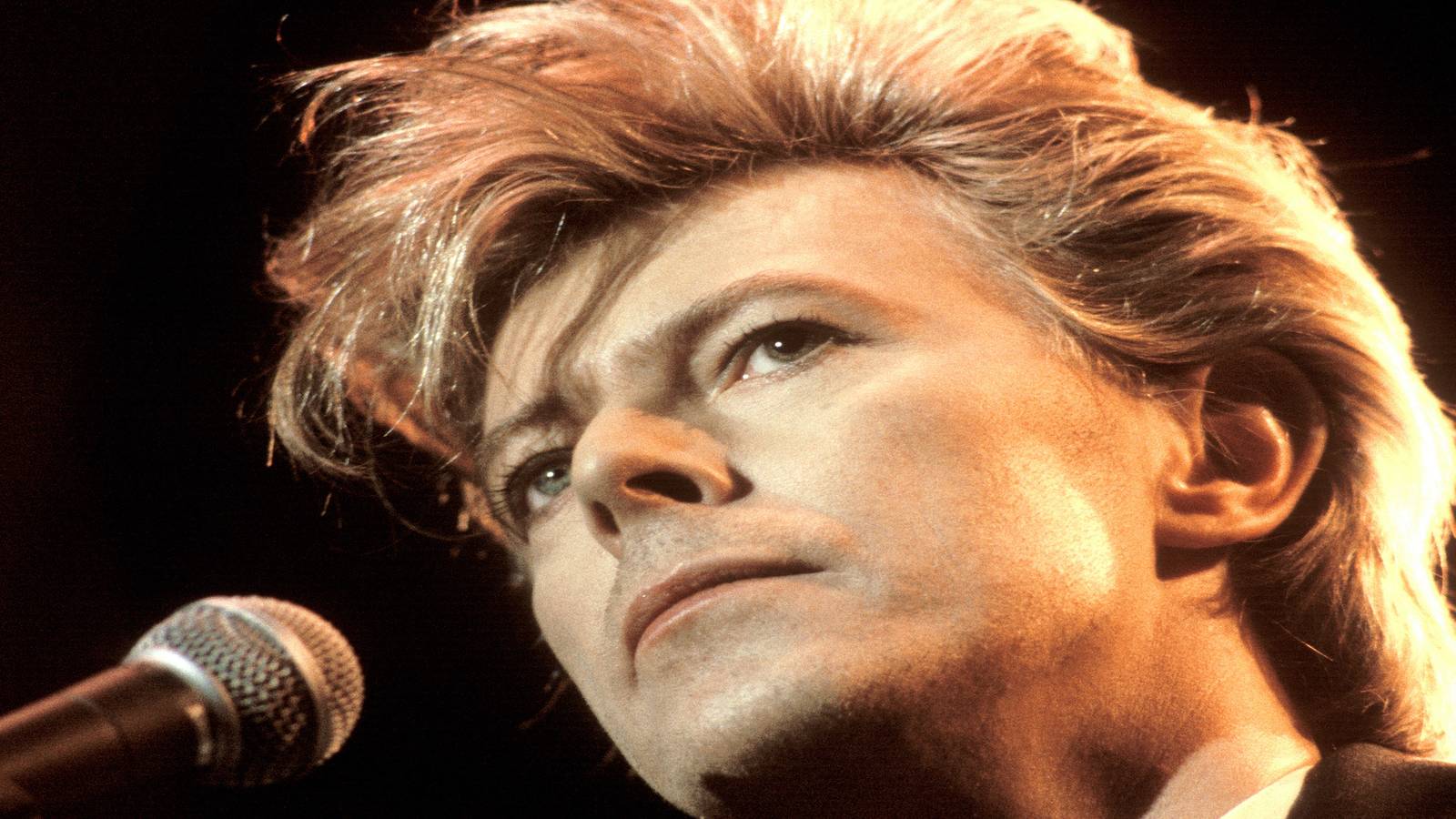
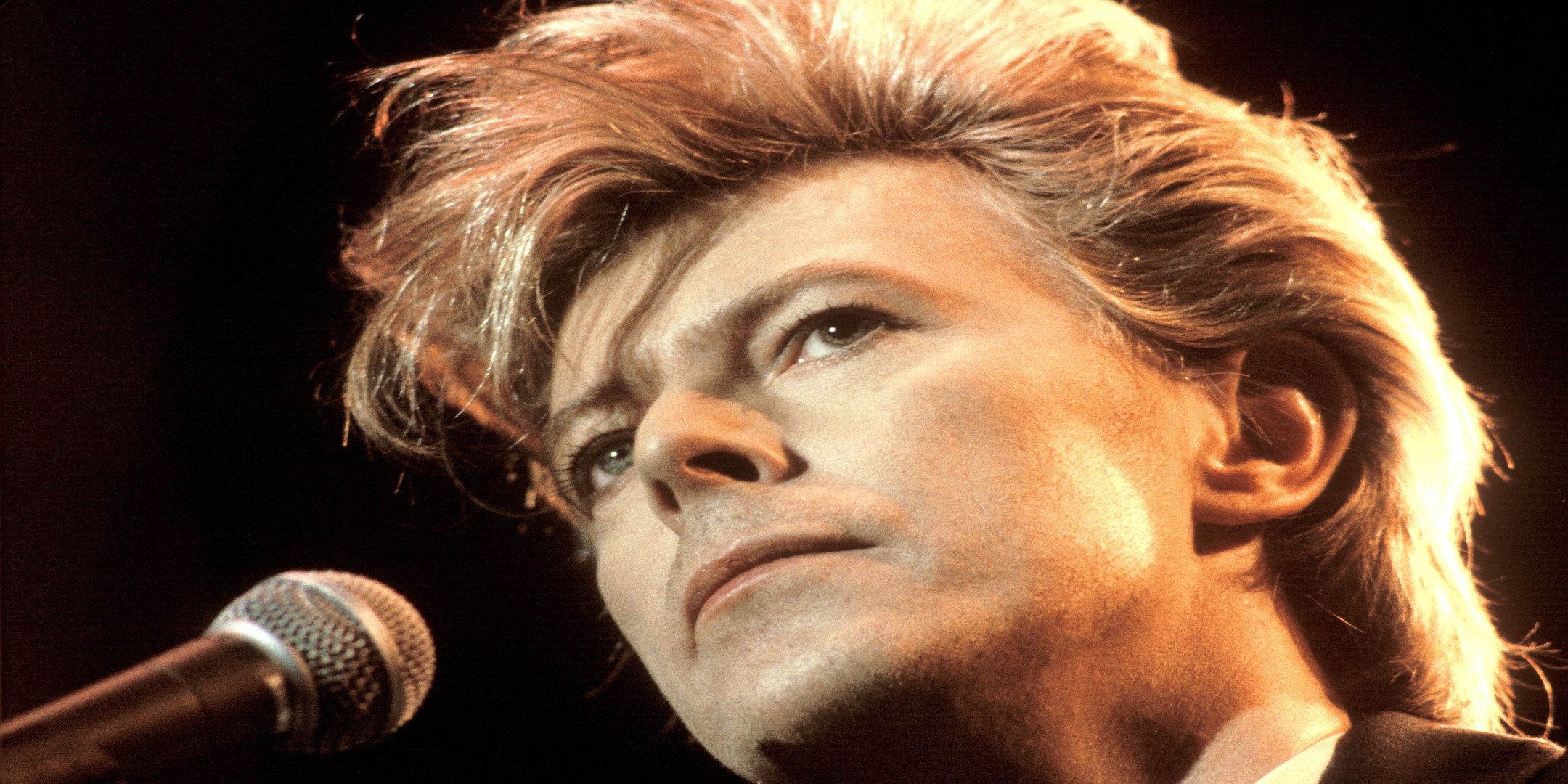
With his androgyny and showiness, David Bowie undoubtedly became the chief pioneer of glam rock, a genre deeply associated with gender expression and sexuality. Though that had been Bowie’s M.O. for pretty much his entire career, it was most readily apparent on his 1972 album, The Rise and Fall of Ziggy Stardust and the Spiders from Mars.
Bowie created an alter ego for this concept album, Ziggy Stardust, and the song of the same title quickly became synonymous with glitz and glamour done Bowie style. Though the song is known primarily for its ultra-famous introductory guitar riff, Bowie’s Stardust persona became a staple of the glam rock movement.
Though there are certainly some musical similarities across the genre, namely in the guitar riffs, glam rock is a genre more primarily defined by its performative aspects. When Bowie released “Ziggy Stardust” in all its performative glory, it revolutionized the musical landscape, and directly led to glam rock’s inception.
5
“Once In a Lifetime” — Talking Heads (1980)
New Wave
The Talking Head’s frontman, David Byrne, is one of music’s greatest geniuses in the modern era. As the 1970s came to a close, the Talking Heads released their song, “Once in a Lifetime,” produced by fellow music mastermind, Brian Eno—it’s no wonder that this song launched an entire genre.
The song begins with a whimsical synthesizer line, as the rest of the instruments fade in and Byrne begins singing in a way that sounds more like he’s just speaking. The song’s heartbeat and rhythm are almost jarringly unnatural, but it compels you to adapt and immerse yourself in its disjointed oddity with an offer you can’t refuse.
The track’s combination of electronic synthesizers and traditional instruments, paired with Byrne’s eclectic vocal performance, not only piqued the interest of fans far and wide, but led to an entire movement of artists who were inspired by the combination of pop and rock elements, and thus, new wave took over.
6
“Purple Haze” — Jimi Hendrix (1967)
Stoner Rock
Not to discredit his band, but Jimi Hendrix and his guitar were easily one of the most dynamic duos in all of music history. Personally, I’ve always viewed many of his greatest hits as duets between him and his instrument, and “Purple Haze” is about as good an example of that as any.
The distortion in the guitar’s introduction, followed by the high-pitched wailing riff, is the perfect way to start a song titled “Purple Haze.” When his vocals kick in, singing lines like “Purple haze all in my brain,” or “Excuse me while I kiss the sky,” that feeling is only elevated. There aren’t many songs whose titles are as on the nose as this one.
Given his association with Woodstock, and the lyrical content of this song, it’s pretty clear that marijuana had a large influence on Jimi Hendrix’s music. Fans and artists who drew inspiration from Hendrix picked up on that pretty clearly, and they capitalized on it, striving for that same hazy purple feeling in what we now know as stoner rock.
7
“She’s Lost Control” — Joy Division (1979)
Gothic Rock
More often than not, Joy Division is typically thought of as one of the pioneers of new wave, right up there with the Talking Heads. And, aside from obvious reasons, that would make sense, given that New Order (Joy Division after the death of their lead singer, Ian Curtis) was one of the first widely recognizable new wave bands.
That said, “She’s Lost Control” is a song whose influence after the fact went in a bit of a different direction. The track still boasts that characteristic Joy Division sound with a classic Peter Hook bass line, but in a minor key, giving the song a much darker sound than is typical for them.
Lyrically, “She’s Lost Control” is just as dark as one would expect given the minor-keyed musical basis, as the lyrics were inspired by a woman that Curtis knew who died from epilepsy. The brooding nature of the song on all fronts heavily drove gothic rock bands to not hold back, and the genre rose to prominence as a result.
8
“You Really Got Me” — The Kinks (1964)
Garage Rock
“You Really Got Me” is a song that was far ahead of its time, being that it was released in 1964 and even predates most classic rock bands, including most of the Beatles’ discography. The Kinks pushed the envelope pretty far with this song, and even if it took some time, that most definitely paid off.
The gritty, unrefined sound of the guitar introduction is unmistakable, and for over 60 years now, people across the globe have been jamming on their own guitars, trying to recreate that adrenaline-pumping feeling. This is the kind of song that gives meaning to the term ‘power chords,’ because the distortion and true power lasts far beyond the song’s conclusion.
Such grit and distortion in the music was not really associated with professional, commercial artistry up until this point—and truthfully, not immediately after either. But over time, the Kinks’ breakout single got the recognition it deserved as a garage rock genesis and a starting point for what may be the greatest rock subgenre of the late 20th century.
9
“Tomorrow Never Knows” — The Beatles (1966)
Psychedelic Rock
There’s no doubt that Revolver was the Beatles’ turning point before descending into complete psychedelic mania, but the album itself does not exemplify psychedelic rock really at all. That is, until its final song, “Tomorrow Never Knows,” which is about as weirdly psychedelic as it gets.
The song begins with a jumbled array of instrumentals, including a sitar, which the Beatles had started to use as a vehicle for their psychedelia already. By the time the vocals start, there is already a clear psychedelic feel established, and it is heightened ten-fold by the lyrics:“Turn off your mind, relax and float downstream.”
This was about the time in the Beatles’ career that they started to allow their experiences with psychedelic drugs permeate their music, and not only did this song clue fans into their own psychedelic rock album, Sgt. Pepper’s Lonely Hearts Club Band, it was also the song to kick off the entire psychedelic rock genre.
10
“Autobahn” — Kraftwerk (1974)
Techno
As if “Sister Ray” wasn’t long enough for the time period, Kraftwerk introduced their fourth album, and what would become their breakout album, Autobahn, with a 22-minute techno title track. The song is meant to simulate driving along Germany’s Autobahn highways, and was inspired by the band’s love for such a drive.
The lyrics are in German, and are few and far between, which likely played a role in the song’s international success—you don’t exactly need to understand what the lyrics mean in order to experience the song. That is also to say, you don’t really listen to this song as much as you experience this song.
The entire 22 minutes are dominated by various electronic sounds, devoid of really any traditional instruments, making it another song that was far ahead of its time in 1974. At the time, nothing so electronic really existed at all, let alone dominated the international charts the way “Autobahn” did. Afterward, however, there was, and still is, no shortage of techno hits.










0 Comments