What Her Life Was Like In The Years After Morrison’s Death
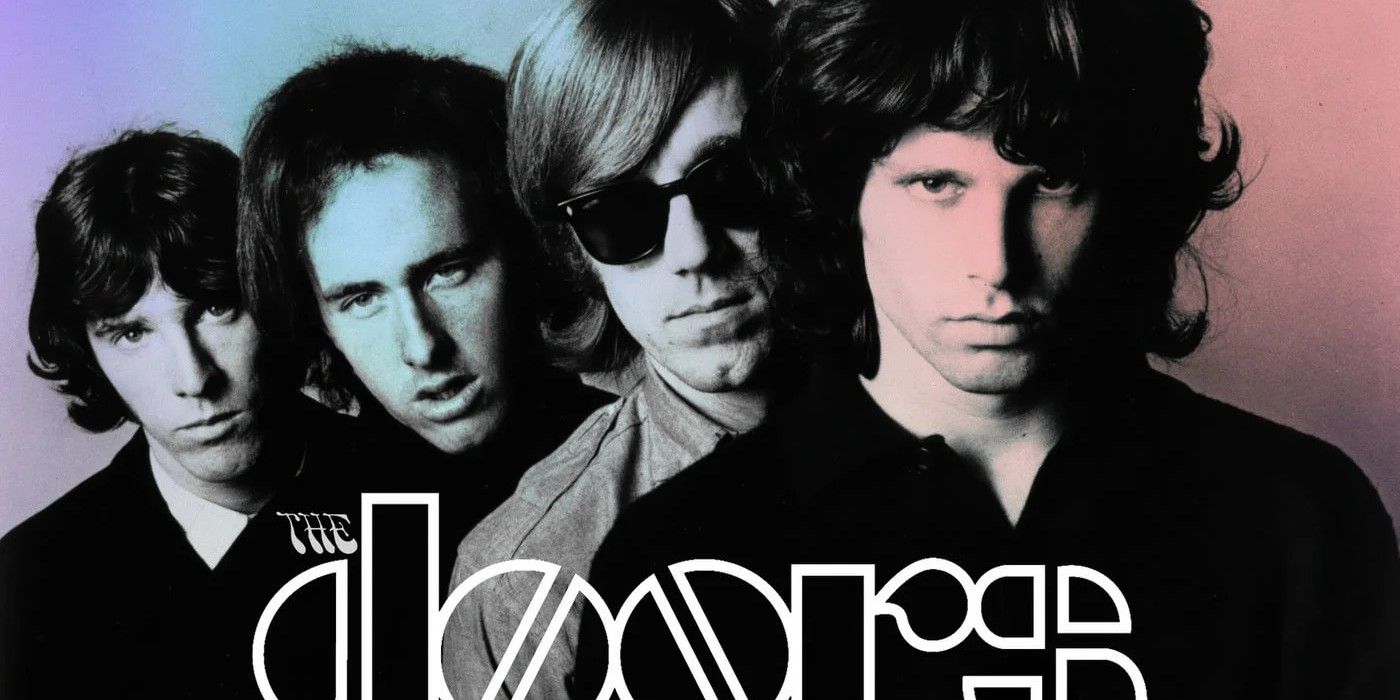
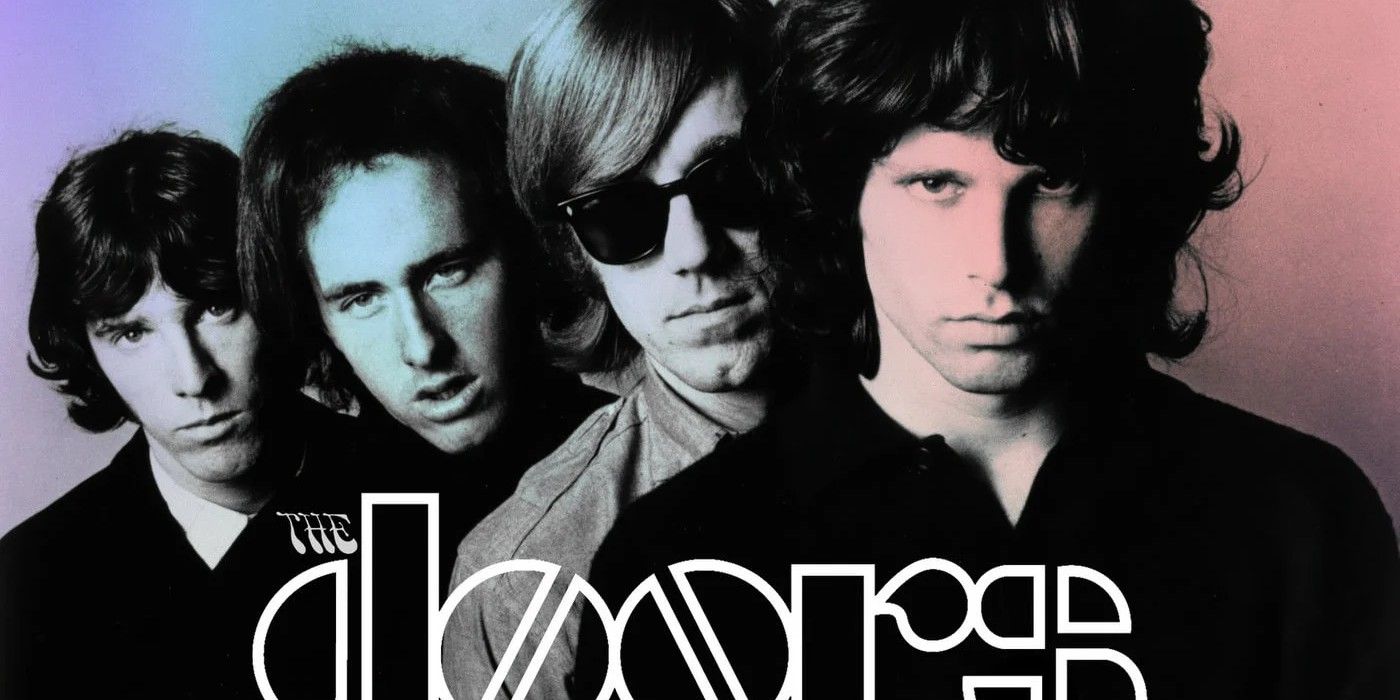
Pamela Courson was the longtime girlfriend and muse of The Doors‘ frontman Jim Morrison, inspiring Doors’ songs like “Love Street,” “Queen Of The Highway,” and “Orange County Suite.” While the relationship was oftentimes filled with nasty fights, infidelity, and drug abuse, their dedication to each other is one of rock lore, with Morrison referring to Courson as his “cosmic partner.”
“Pamela was Jim’s other half,” once said The Doors’ keyboardist, Ray Manzarek, per a 1974 Rolling Stone article that was shared by the fan blog New Doors Talk. “The two of them were a perfect combination; I never knew another person who could so complement his bazarreness.”
Courson was the only person with Morrison when he died in Paris on July 3, 1971, at the age of 27. They moved to the French city after The Doors recorded their sixth studio album, L.A. Woman. His death was ruled a heart attack, however, there was no autopsy done, which sparked other theories about his cause of death.
Then just three years later, Courson died of a heroin overdose at 27, the same age as Morrison, and struggled emotionally in her final years. She battled with the remaining Doors members as well and tried to bring more attention to Morrison’s writings.
Courson Worked On Getting Morrison’s Poetry Published
The former art student moved back to her home state of California at 108 North Sycamore in Los Angeles after Morrison’s death and was considered to be his common law wife. So, Morrison left his estate to her and was said to be worth about $400,000 after he passed, a number that may surprise many.
The Los Angeles Times reports that Courson worked on getting Morrison’s poetry published after his death since he wanted to be taken seriously as a poet and not just a rock star who dabbled in words and stanzas. Plus, Courson encouraged him to pursue his poetry career, so she wanted to see more of it in print after he died.
Courson eventually asked beat generation poet Michael McClure for assistance and handed him around 150 pages of Morrison’s work, described by McClure as “a very lucidly assembled collection” of writings.
He later gave the poems back to Courson and asked her to edit them, but she died before giving them back. Courson also fought with members of The Doors after they agreed to have their 1967 hit “Light My Fire” be used for a Tiparillo cigar commercial, but they decided not to after Courson and Manzarek met with each other.
She Dealt With Depression
The Weed, California native reportedly suffered from deep depression after Morrison’s death, and it didn’t take long for Themis to close down, the West Hollywood fashion boutique that Morrison financed for her in the late ’60s.
Plus, one day, a grief-stricken Courson poured perfume all over clothing items and wrecked part of the store, as well as a window, after driving a truck into it. She delved further into drugs on top of that, per Danny Sugerman, a friend of Morrison and Courson, who spoke to Rolling Stone shortly after her death.
“She occasionally used smack, but it was never a habit,” Sugerman explained. “She would sometimes use it when she got depressed, but mostly, she was a downer freak. She definitely was not a junkie.”
However, Diane Gardiner, someone referred to as Courson’s best friend, denied that she was depressed, saying that she met with the famed redhead one day before her death, and Courson was planning a trip to Mexico.
Courson’s Death
Jim Martin, who was a detective with the Wilshire Police Department when Courson died, said there was evidence that she threatened to take her own life, but there were no signs that her death was a suicide. “We’re calling it [an] accidental heroin overdose,” he explained.
Courson was found at her N Sycamore apartment by her friend John Mandell, and there was a hypodermic needle found near her body. After Courson’s death, her parents, Pearl and Columbus Courson, inherited the rights to Morrison’s estate, and it’s said that Morrison’s parents eventually received 50 percent of The Doors music catalog.











0 Comments