This article contains discussions of sexual assualt, abuse, and murder.
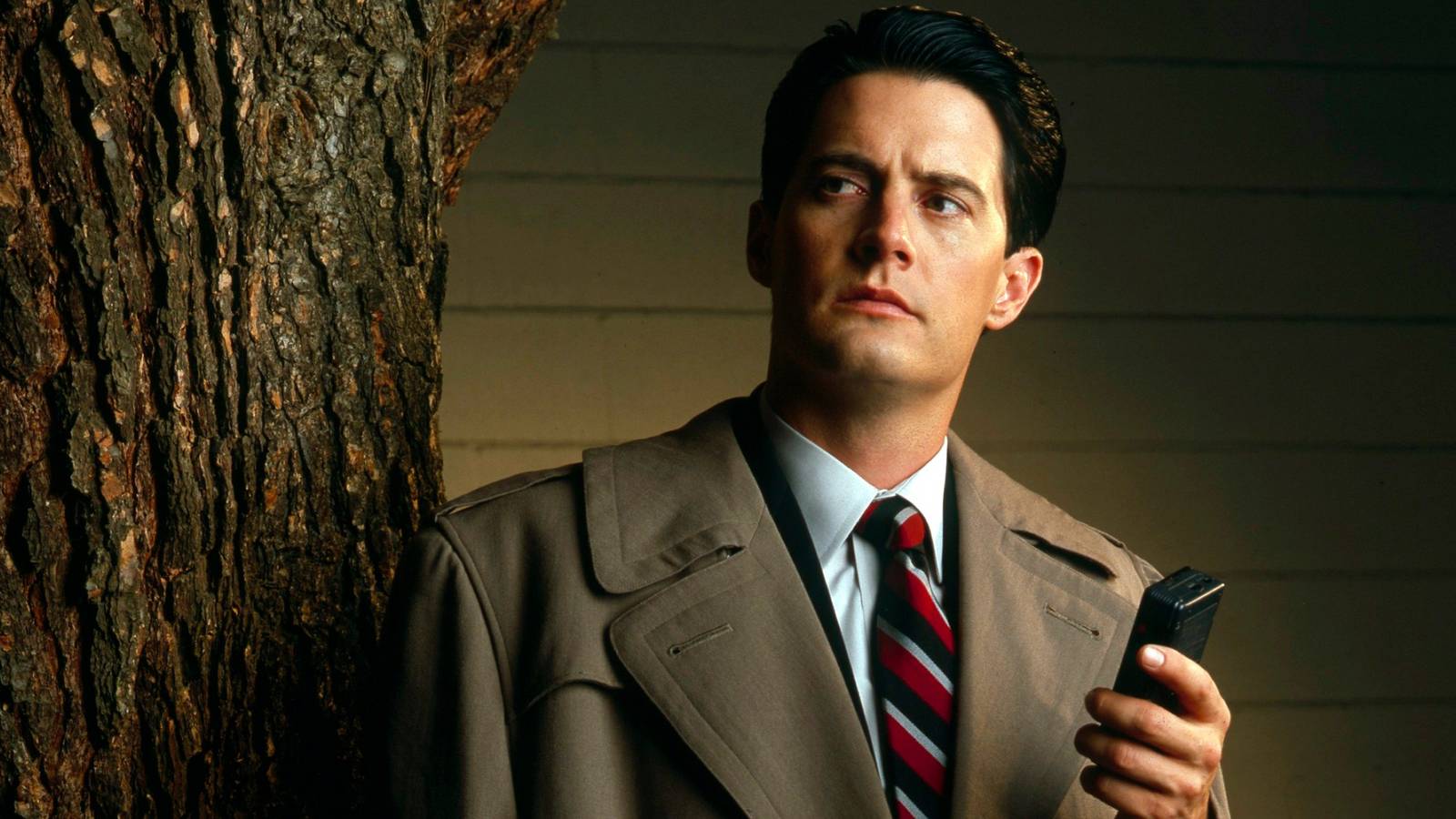
Twin Peaks remains one of the most iconic cult classic mystery shows of all time, but it’s definitely not for everyone. The brainchild of David Lynch and Mark Frost, Twin Peaks follows FBI Special Agent Dale Cooper (Kyle MacLachlan) as he investigates the brutal murder of local homecoming queen, Laura Palmer (Sheryl Lee).
Because of Laura Palmer’s death and Agent Cooper’s subsequent investigation, many of the dark secrets lurking in the small town of Twin Peaks come to light. With its bizarre dream sequences and soap opera performances, Twin Peaks changed television and captured the imagination in a way few other shows have.
Twin Peaks originally premiered on ABC in 1990, running for only two seasons before its cancellation. This was followed by the 1992 feature film, Twin Peaks: Fire Walk with Me, which serves as a prequel to the series. Twin Peaks went on to develop a cult status and returned in 2017 with an eighteen-episode revival on Showtime.
Twin Peaks Season 2 Drags In The Middle
There aren’t many television shows like Twin Peaks, but that doesn’t mean the show was immune to the problems that often plagued network television dramas. With only eight episodes in its first season, Twin Peaks made great use of every minute, but its second season had twenty-two episodes to fill.
After the killer of Laura Palmer is revealed in the seventh episode of season 2, “Lonely Souls,” the story meanders a bit. With bizarre storylines like Nadine’s (Wendy Robie) belief that she’s a teenager and boring ones like James’ (James Marshall) solo motorcycle trip, Twin Peaks’ second season loses steam before arriving at its brutal conclusion.
With Laura Palmer’s murder solved, Agent Cooper gets suspended by the FBI for an illegal raid on One Eyed Jacks and later develops a romance with Annie Blackburn (Heather Graham). There’s some weird stuff with Josie Packard’s (Joan Chen) backstory, as well as the mayor of Twin Peaks, and none of it is as interesting as Cooper’s original investigation.
Twin Peaks Takes Its Time Getting To The Point
Dale Cooper (Kyle MacLachlan), Diane (Laura Dern), and Gordon (David Lynch) in Twin Peaks The Return
Twin Peaks opened with the question of who killed Laura Palmer, but this question wouldn’t be answered until the middle of the show’s second season. David Lynch wasn’t concerned with following the patterns of network dramas, and if left to his own devices, he may never have revealed the true identity of Laura’s killer.
While this slow and sometimes meandering approach to storytelling may work for some viewers, it could feel tedious and unnecessarily drawn out for others. Twin Peaks: The Return, in particular, has only the bare bones of a plot and spends much of its run time on surreal imagery and random sidequests.
The real Agent Cooper doesn’t even make an appearance until the last three episodes of Twin Peaks: The Return. Instead, Kyle MacLachlan spends most of the series as the evil Cooper doppelganger and a nearly catatonic Dougie Jones. The lack of Agent Cooper makes The Return a bit of a letdown for those who couldn’t wait to see more of his character.
Twin Peaks: The Return Leans Too Heavily Into The Surreal
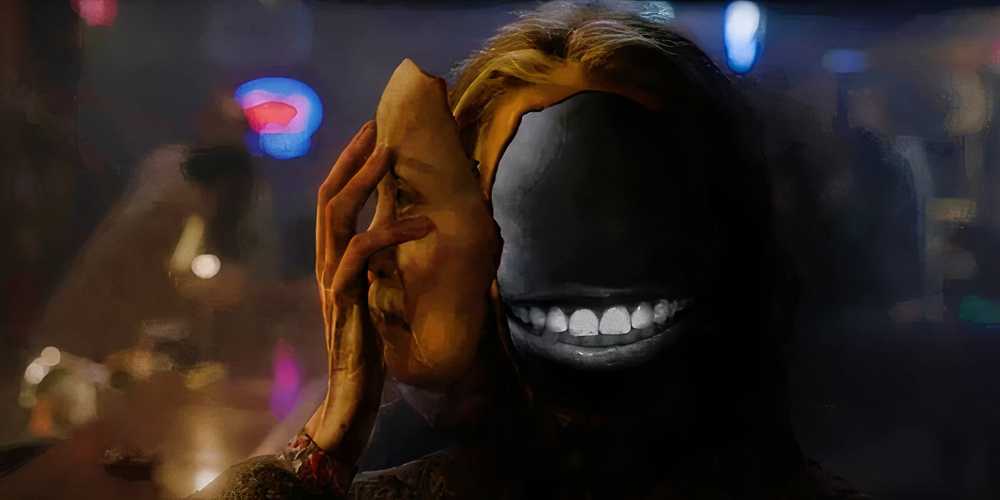
Sarah Palmer (Grace Zabriskie) opens her face to reveal something horrible in Twin Peaks The Return
More than anything else, the Lynchian, surrealist elements of Twin Peaks separate it from other shows. While fans of David Lynch’s films will find a lot to love about Twin Peaks, those looking for a classic murder mystery story may find themselves disappointed.
For the most part, the surrealist elements work incredibly well in the original two seasons of Twin Peaks, mostly consisting of Agent Cooper’s dreams of the mysterious red room. Twin Peaks was always delightfully weird, but the show’s first two seasons managed to achieve a solid balance of plot, characters, and surrealist elements.
Twin Peaks: The Return, however, veered too far into the surreal for my taste, delivering lengthy scenes of incomprehensible imagery that added very little to the overall story or character development. While there’s something to be said for the artistic vision of it all, and David Lynch certainly has a distinct vision, The Return lacked the quirky character interactions and narrative structure of the original.
Twin Peaks’ Big Genre Shifts Give The Audience Whiplash
The Log Lady in Twin Peaks. In the still, she’s at the diner with Cooper and Truman, explaining something to Dale.
Twin Peaks is a difficult show to pin down. It’s a murder mystery and a soap opera and a supernatural horror story all wrapped up in a bizarre package, complete with creepy dream sequences and idiosyncratic characters. Agent Cooper makes for a delightfully optimistic protagonist, but he faces some truly horrifying foes and crimes.
This juxtaposition of genres and tone makes Twin Peaks what it is, but it also makes for an emotionally exhausting viewing experience. The show’s jumps can be jarring, going from scenes like the Log Lady’s (Catherine E. Coulson) humorous observations to Sarah Palmer’s (Grace Zabriskie) devastating grief to Bob’s (Frank Silva) terrifying climb over that couch.
Twin Peaks: The Return does this as well, but incorporates more surrealist elements and shocking displays of violence. Scenes like that of Richard Horne (Eamon Farren) running over a young boy with his car stick certainly have shock value, but raise the question of what all of this violence is saying. After the shock wears off, I’m left with emotional whiplash, as scenes I could watch over and over follow on the heels of scenes I never want to see again.
Twin Peaks Over-Sexualizes High School Girls & Depicts A Lot Of Violence Against Women
Maddy Ferguson (Sheryl Lee) sips coffee in Twin Peaks
Twin Peaks opens with the discovery of Laura Palmer’s corpse, and the subsequent investigation into her murder uncovers a lot of horrifying details about her life and what she went through. Laura suffered tremendously in her short life at the hands of men who were supposed to protect her, and she turned to prostitution and drugs as an outlet. Unforunately, Laura gets very little characterization outside of what happened to her.
High schooler Audrey Horne (Sherilyn Fenn) intentionally acts seductive and even tries to seduce Agent Cooper, and several scenes focus on her dancing and flirting. Between the sexualization of teenage girls and descriptions of sexual violence, Twin Peaks could prove triggering for some viewers. The show depicts the horrific realities of abuse without pulling its punches, but sometimes it goes a bit too far.
Shelly Johnson (Mädchen Amick) suffers horrific abuse at the hands of her husband, Leo (Eric Da Re), and Maddy Ferguson’s (Sheryl Lee) murder is depicted in a painfully long and incredibly disturbing scene. Both of the abusers in these cases are indeed depicted as monstrous men who pay for their crimes in the end, but it doesn’t make the violence they commit any easier to watch.
Twin Peaks: The Return shows even more violence against women. In one particularly brutal scene, Richard Horne attacks and kills a woman named Miriam Sullivan (Sarah Jean Long), who witnessed Horne kill a young boy with his car. It’s a lot of violence (several scenes in The Return feel particularly gratuitous), and I’m not sure there’s a point to all of it.
Twin Peaks Has No Easy Answers & Leaves Some Big Questions Unresolved
Josie trapped in a drawer knob in Twin Peaks.
Perhaps the most frustrating thing about Twin Peaks is the lack of real answers at the end of it all. While I don’t think the series needed to provide an explanation for every little thing, the original cliffhanger at the end of season 2 left viewers with an incredibly dark and somewhat unsatisfying conclusion.
While the mystery of Laura Palmer’s killer was solved, Twin Peaks raised a lot of other questions that even The Return didn’t answer. What happened to Audrey Horne after the bank exploded? Is Annie still in a coma? And what’s up with Josie Packard being trapped in that drawer knob?
Twin Peaks tie-in materials, like Mark Frost’s Twin Peaks: The Final Dossier, have answered some of these questions, but The Return barely addresses them. Instead, the Showtime event series raises more questions than it answers, taking viewers to “a place both wonderful and strange,” but never really reaching any kind of destination.












0 Comments