

10 TV Villains Who Stole the Show from Their Heroes
From cunning manipulators to charismatic monsters, the best TV show villains are often the ones audiences can’t look away from. From the early days of network television to the streaming era, our fascination with the darker side of storytelling has only grown stronger. Some of TV’s most unforgettable characters aren’t the heroes saving the day, they’re the villains rewriting the rules.
While plenty of antagonists have made their mark on pop culture, only a select few have transcended their bad guy roles to become the real stars of their series. These characters didn’t just challenge the heroes, they completely eclipsed them, stealing every scene and often carrying entire seasons on their shoulders. They’re layered, unpredictable, and dangerously charismatic – the perfect recipe for fan obsession.
Ultimately, the absolute best TV show villains end up becoming the main reason viewers tune in. They’re so fascinating and so brilliantly performed that it’s easy to find yourself rooting for them. Sometimes, they even steal the spotlight so thoroughly that showrunners bend over backward to keep them alive, or even turn them into protagonists.
Ben Linus, Lost (2004-2010)
The Puppet Master Behind Lost’s Biggest Mysteries

Played with chilling brilliance by Michael Emerson, Ben Linus started as a mysterious senior figure in Lost’s infamous Others before becoming one of television’s most fascinating manipulators. Initially posing as Henry Gale, Ben’s true identity unraveled slowly. When it did, he completely shifted the show’s power dynamics.
Ben Linus was so compelling thanks to his mastery of deceit. Even among an ensemble of deeply complex characters, Ben always seemed three steps ahead. His calculated unpredictability made him both terrifying and mesmerizing.
Audiences couldn’t decide whether to hate him, fear him, or admire him, which is why he outshone heroes like Jack and Locke. Ben Linus wasn’t just a villain; he was Lost’s heartbeat during its most suspenseful years. His moral ambiguity and tragic past made him the perfect embodiment of the show’s themes of fate and redemption.
Mr. Kaplan, The Blacklist (2013-2023)
A Betrayal That Made The Blacklist’s Most Emotional Arc

In The Blacklist, few characters rivaled the impact of Mr. Kaplan (Susan Blommaert). Initially a loyal fixer and cleaner for Raymond “Red” Reddington, Kaplan’s turn against her former employer became one of the show’s most shocking and emotionally charged storylines.
Her betrayal wasn’t born of greed or power but morality – a twisted sense of justice against Red’s manipulations. In a world full of assassins and spies, Kaplan stood out as a villain driven by conviction. She became a formidable force not through violence, but through sheer resolve and meticulous planning.
Mr. Kaplan outshined the heroes because she challenged Red on every level; emotionally, intellectually, and morally. Her tragic arc, combined with Blommaert’s haunting performance, gave The Blacklist some of its most powerful moments, proving that sometimes the most dangerous villains are the ones who believe they’re doing the right thing.
The Trinity Killer, Dexter (2006-2013)
The Killer That Broke Dexter’s Psyche – And The Audience’s

John Lithgow’s portrayal of Arthur Mitchell, a.k.a. the Trinity Killer, in Dexter’s fourth season is nothing short of legendary. Beneath his wholesome suburban facade, Arthur was one of the most sadistic killers ever depicted on television, and he ultimately delivered the show’s most devastating twist.
Trinity wasn’t just another monster for Dexter to hunt. He was a dark mirror, showing Dexter what life might look like if he truly blended into society – family and all – while maintaining his killing compulsion. Lithgow’s chilling performance elevated the season, outshining the titular hero with terrifying ease.
When Dexter finally confronted Trinity, it wasn’t just another case closed; it was the emotional unraveling of the entire series. The villain didn’t just test Dexter; he defined him. The Trinity Killer remains considered one of the best TV show villains years later for how completely he broke both the hero and the audience.
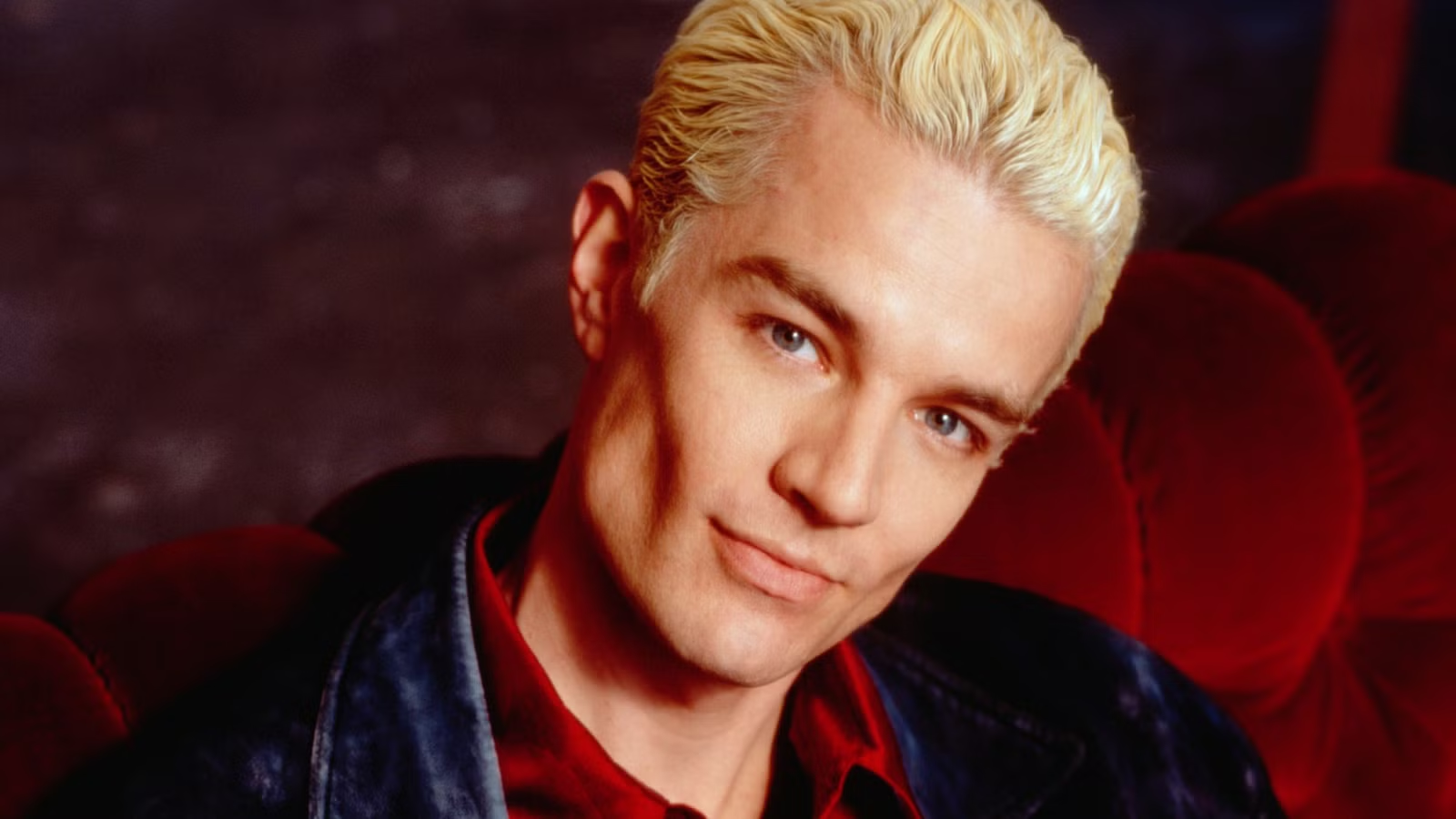
Spike, Buffy The Vampire Slayer (1997-2003)
The Vampire That Made Being Evil Look Effortlessly Cool

When Buffy the Vampire Slayer introduced Spike (James Marsters), he was meant to be a one-off villain – but fans had other ideas. His blend of snark, style, and swagger made him instantly magnetic, and his chemistry with Buffy turned him into one of the show’s most complex characters.
Unlike many TV villains, Spike didn’t just lurk in the shadows; he evolved. His arc from merciless vampire to reluctant antihero (and eventual ally) gave Buffy some of its most memorable storylines. Marsters’ performance brought both humor and heartbreak, making it hard not to root for him, even when he was at his worst.
Spike didn’t just outshine Buffy; he became her equal, forcing the show to explore love, redemption, and identity in new ways. His popularity grew so massive that he carried over into Angel, proving that sometimes characters who’ve been outright evil in the past really are just more fun.
Reverse Flash, The Flash (2014-2023)
The Ultimate Nemesis For Barry Allen

Few villains have tormented a hero quite like Eobard Thawne, the Reverse Flash (Tom Cavanagh) in the CW’s live-action superhero epic The Flash. As the man who murdered Barry Allen’s mother and manipulated time itself to destroy his life, Thawne was the ultimate personal nemesis.
Cavanagh’s portrayal gave Reverse Flash a smirking menace that perfectly counterbalanced Barry’s earnest heroism. His intelligence, obsession, and sheer cruelty made every confrontation electric. Even when the series introduced bigger threats, Thawne remained the one villain fans were truly terrified – and thrilled – to see return.
Reverse Flash outshined the hero by being everything Barry wasn’t – ruthless, cunning, and perfectly aware of his power. His presence elevated The Flash from a fun superhero show to a time-twisting tragedy, solidifying his place among the best TV show villains in modern comic adaptations.
Gus Fring, Breaking Bad (2008-2013)
Breaking Bad’s Calm, Calculating Monster

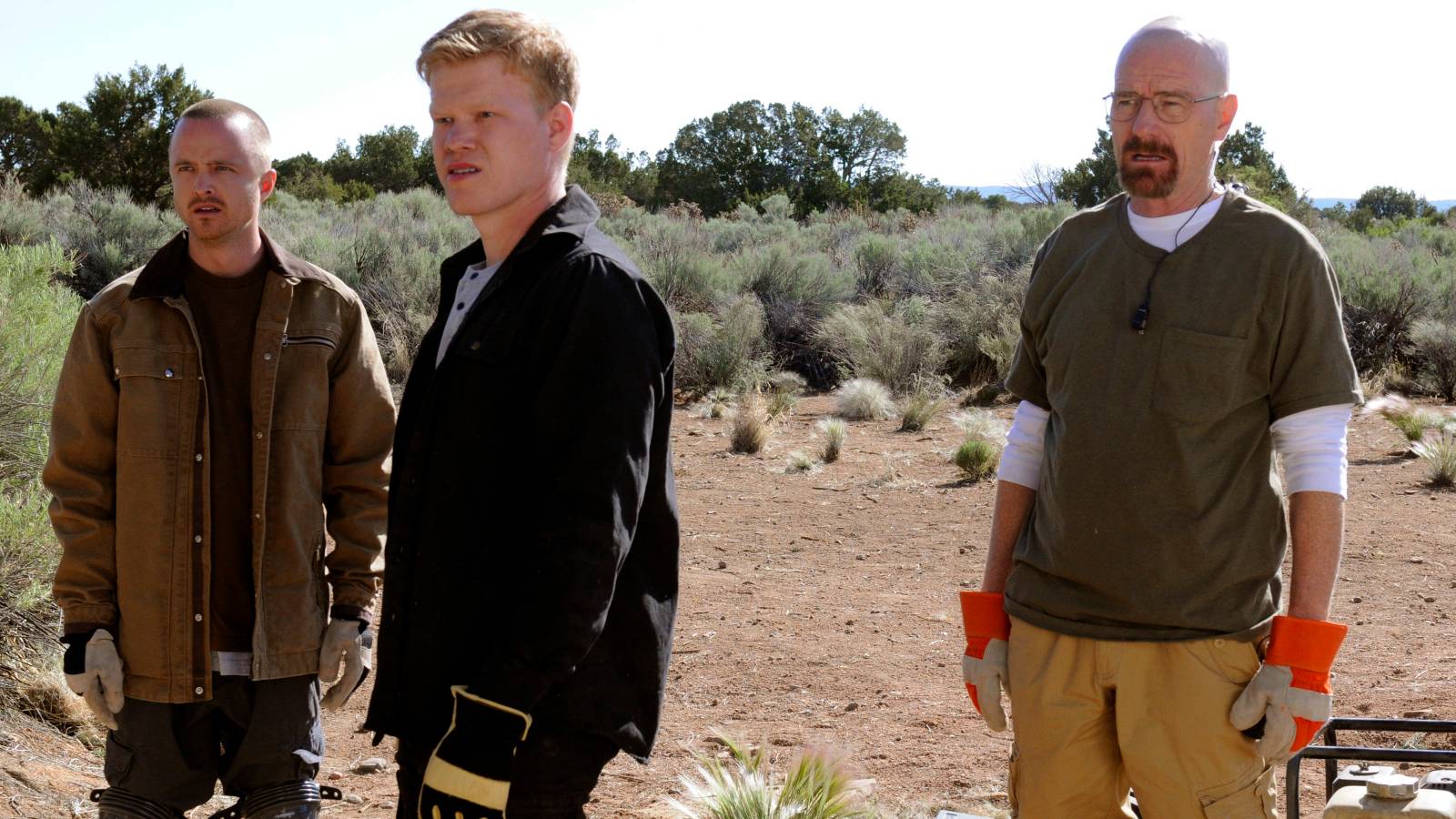
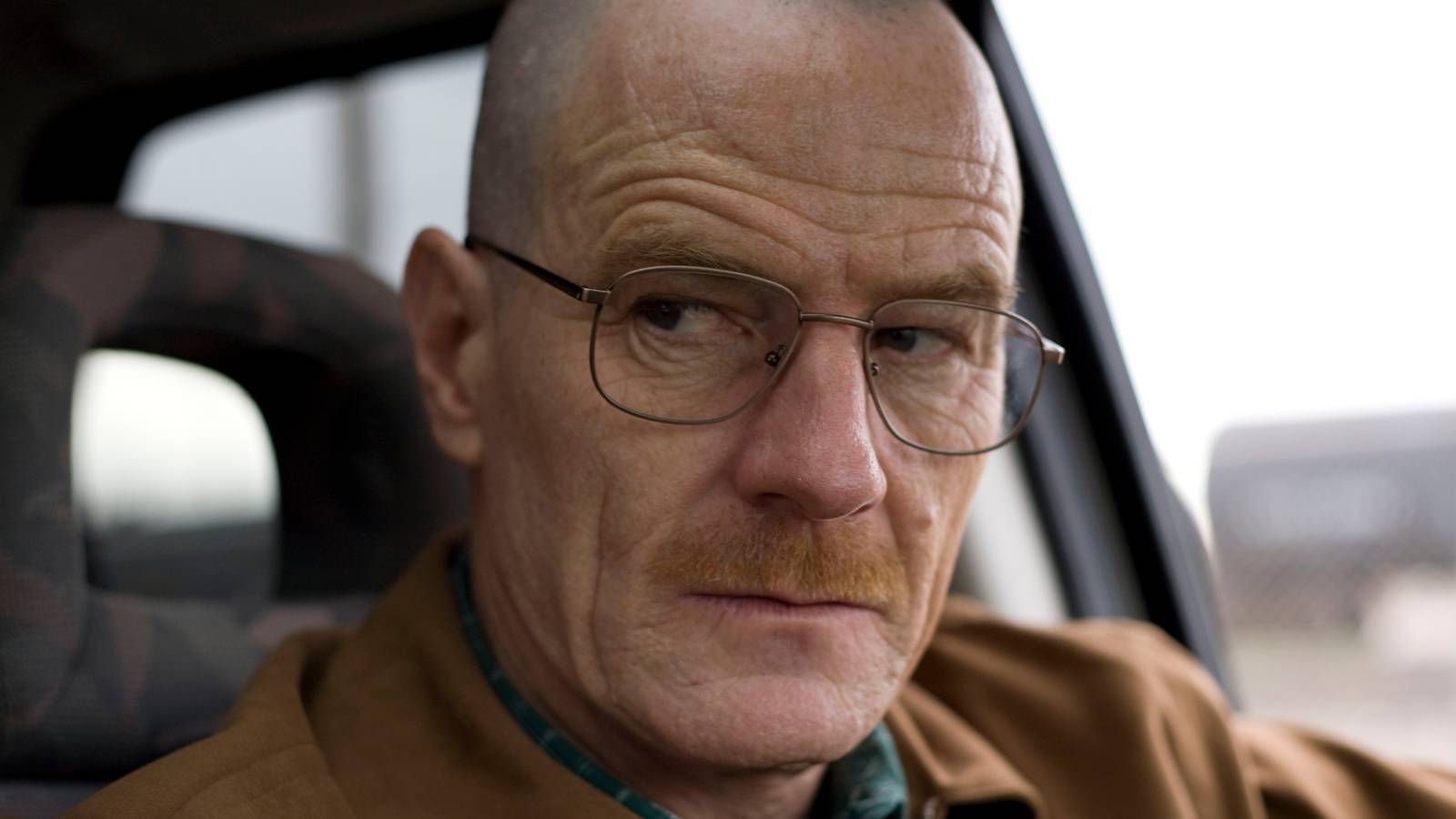
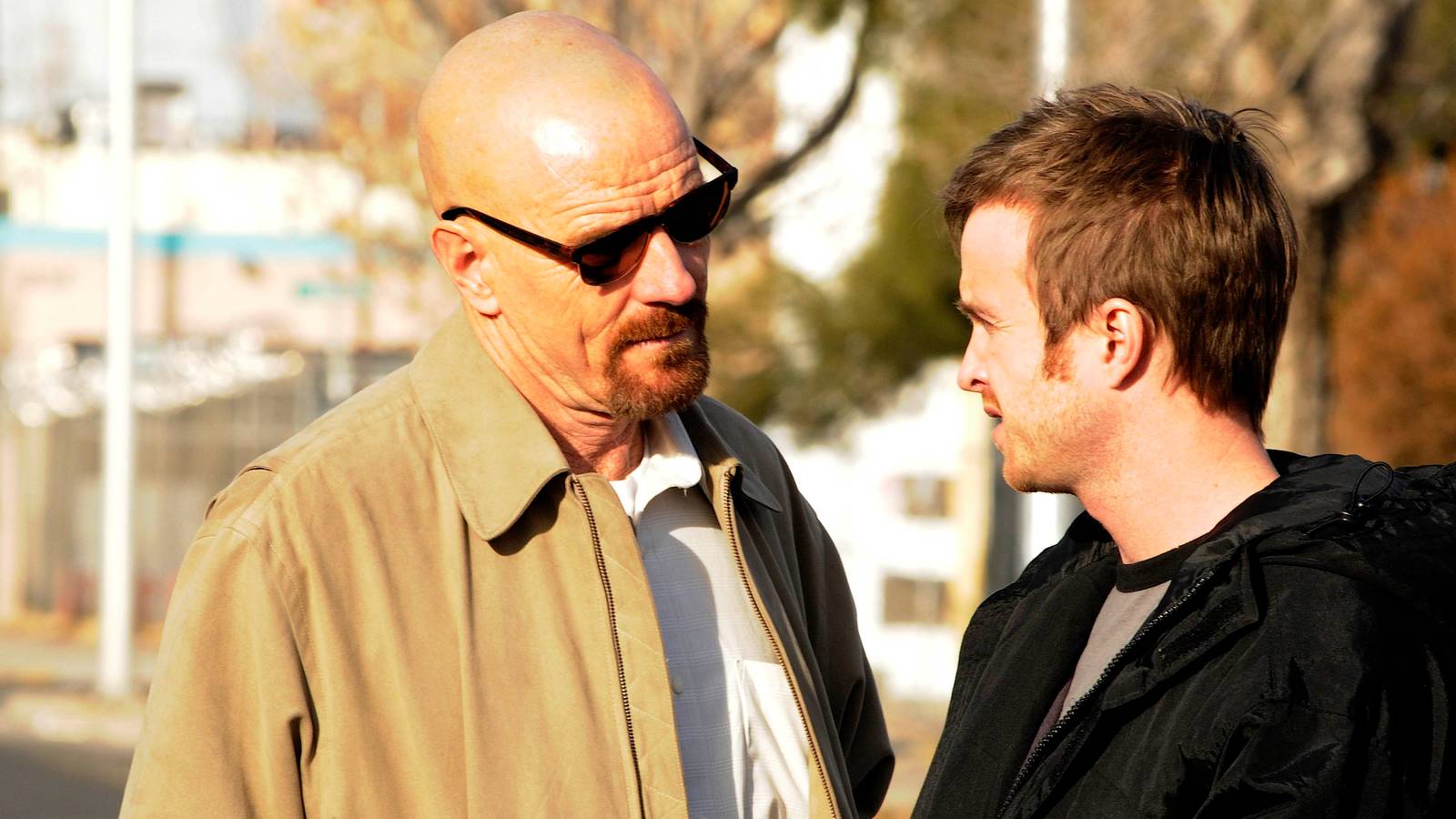
Giancarlo Esposito’s Gus Fring was the quiet storm of Breaking Bad. On the surface, he was a respectable businessman. However, beneath that calm exterior lay one of television’s most calculating criminal masterminds, and the only man who could truly match Walter White.
Unlike most villains, Gus didn’t rely on chaos; he relied on control. His meticulous nature made every move deliberate, every word threatening in its restraint. When he and Walter went head-to-head, viewers often found themselves rooting for Gus – the man who made empire-building look elegant.
Even after his unforgettable demise, Gus’s shadow lingered over Better Call Saul, proving just how integral he was to the Breaking Bad universe. Esposito’s performance turned Gus into the gold standard for subtle, cerebral villainy and one of the greatest and most unforgettable best TV show villains in history.
Hannibal Lecter, Hannibal (2013-2015)
Hannibal Lecter Turned Murder Into An Art Form

In Hannibal, Mads Mikkelsen’s take on the iconic killer transformed the character from a horror legend into a hauntingly sophisticated antihero. His version of Hannibal Lecter was both mesmerizing and terrifying, turning psychological manipulation into a work of art.
Opposite Hugh Dancy’s Will Graham, Hannibal was less a villain and more an alluring force of nature. His intelligence and charm made him impossible to fully despise – even as he committed unthinkable acts. Mikkelsen’s controlled elegance and emotional depth redefined what audiences expected from TV villains.
Hannibal Lecter didn’t just outshine the hero when Mikkelsen was in his shows, he consumed him, both figuratively and psychologically (and, had Hannibal gone on longer, maybe even eventually literally, too). The show’s most captivating moments weren’t the crimes, but the intimate mental dance between predator and prey.
Boyd Crowder, Justified (2010-2015)
Walton Goggins Made Justified’s Morality Deliciously Blurry

Walton Goggins turned Boyd Crowder into one of TV’s most charismatic outlaws when he made his Justified debut. Originally introduced as a neo-Nazi antagonist for Raylan Givens, Boyd evolved into a layered, philosophical criminal, and quickly became the show’s moral and emotional centerpiece.
What set Boyd apart was his intelligence and strange sense of honor. His connection with Raylan – equal parts rivalry and reluctant respect – gave Justified its soul. Every scene between them crackled with tension, wit, and history.
Boyd didn’t just rival Raylan; he redefined him. By the show’s end, it was hard to tell who the hero really was. Goggins’ performance in Justified turned Boyd into a cult icon – a perfect blend of menace and charm – and easily one of the best TV show villains of his generation.
Sylar, Heroes (2006-2010)
Heroes Became Addictive Television Thanks To Its Best Antagonist

Zachary Quinto’s Sylar in Heroes was pure chaos wrapped in a cool exterior. With his ability to steal others’ powers – and his twisted fascination with perfection – Sylar became the show’s driving force, far eclipsing the more straightforward heroes.
Every time Sylar appeared, tension skyrocketed. Quinto’s performance gave him an eerie calm that made his outbursts of violence even more shocking. His curiosity about what made people “special” turned him into something more than a villain; he was an existential threat.
As Heroes struggled with uneven storylines, Sylar remained its constant highlight. Fans tuned in as much to see his next move as they did to see the heroes save the world. In many ways, Sylar was the show – a chilling example of how a villain can outshine an entire ensemble.
Negan, The Walking Dead (2010-2022)
The Real Nightmare Fuel In AMC’s Zombie Apocalypse

When Jeffrey Dean Morgan debuted as Negan in The Walking Dead, the series immediately changed. His brutal entrance, complete with that barbed-wire bat, Lucille, reestablished real danger and unpredictability after several safe seasons.
Negan’s charm was his weapon. He was cruel, but magnetic; sadistic, but strangely likable. His theatrical leadership and dark humor gave the apocalypse new life, and even those who hated him couldn’t deny his presence revitalized the show.
Over time, The Walking Dead turned Negan into something even more interesting – a man seeking redemption. That evolution only made him more compelling. Negan didn’t just challenge Rick; he redefined what villainy could look like in a world already lost. He was proof that the best TV show villains can change everything, even long after their first swing.


0 Comments